


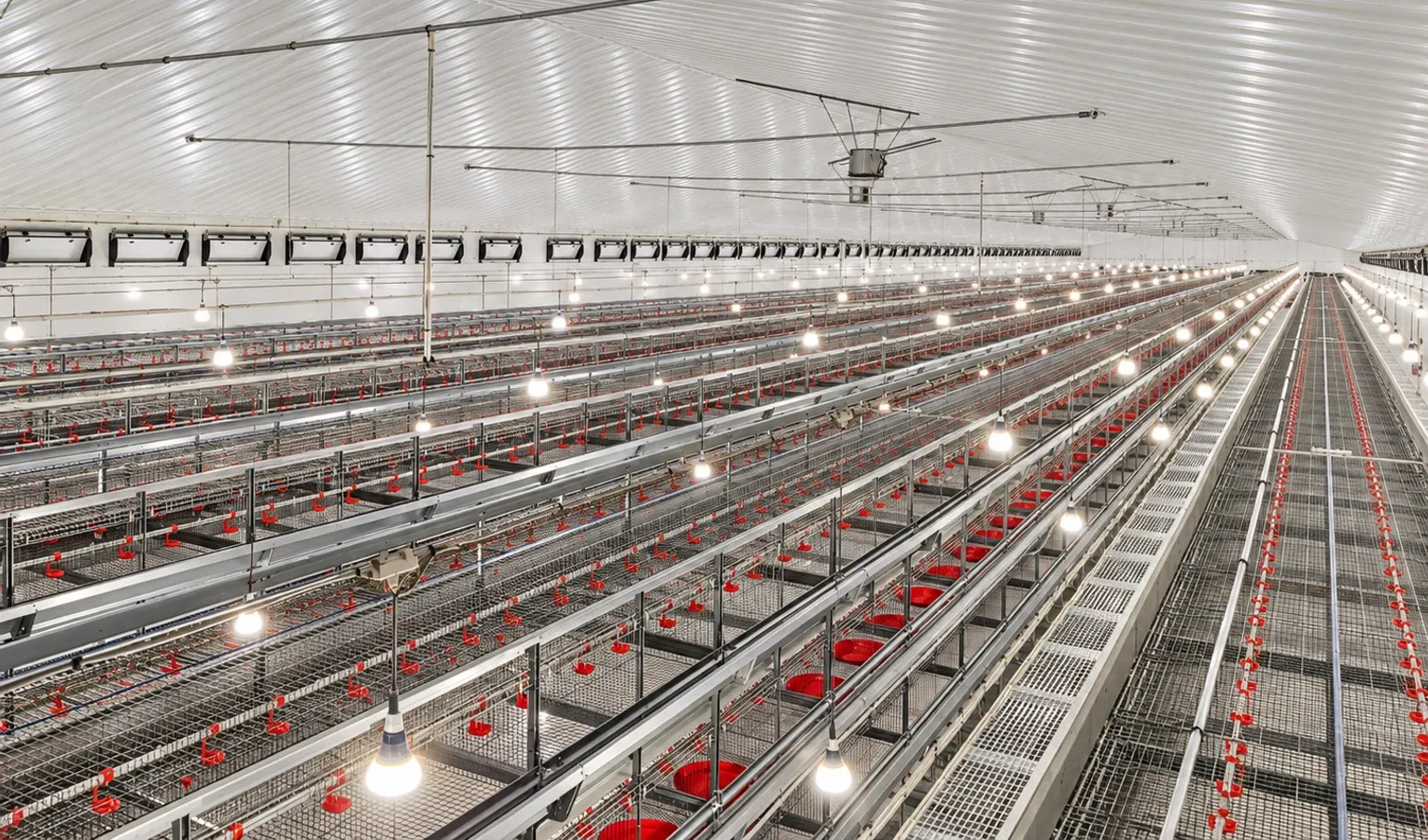
How to Achieve 85%+ Pullet Flock Uniformity: Weight Sampling & Feeder Space Rules
Measure and manage pullet uniformity: weekly weighing protocols, coefficient of variation (CV < 8%), feeder space per bird, and grading/sorting underweight birds.
Measure and manage pullet uniformity: weekly weighing protocols, coefficient of variation (CV < 8%), feeder space per bird, and grading/sorting underweight birds.
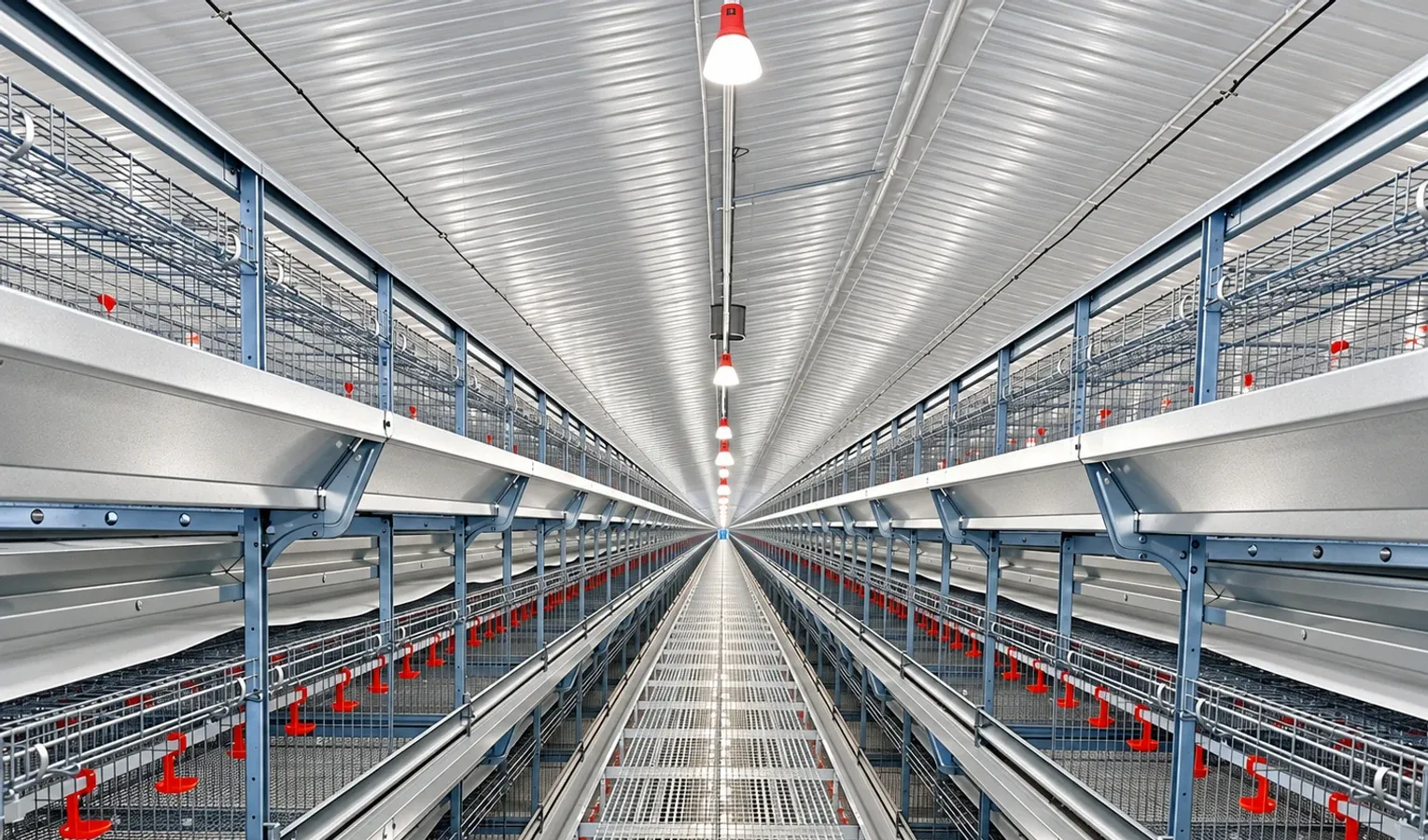
Control pullet maturity with lighting: 8-9 hour constant rearing photoperiod to avoid premature lay, light stimulation criteria (target body weight), and lux levels.
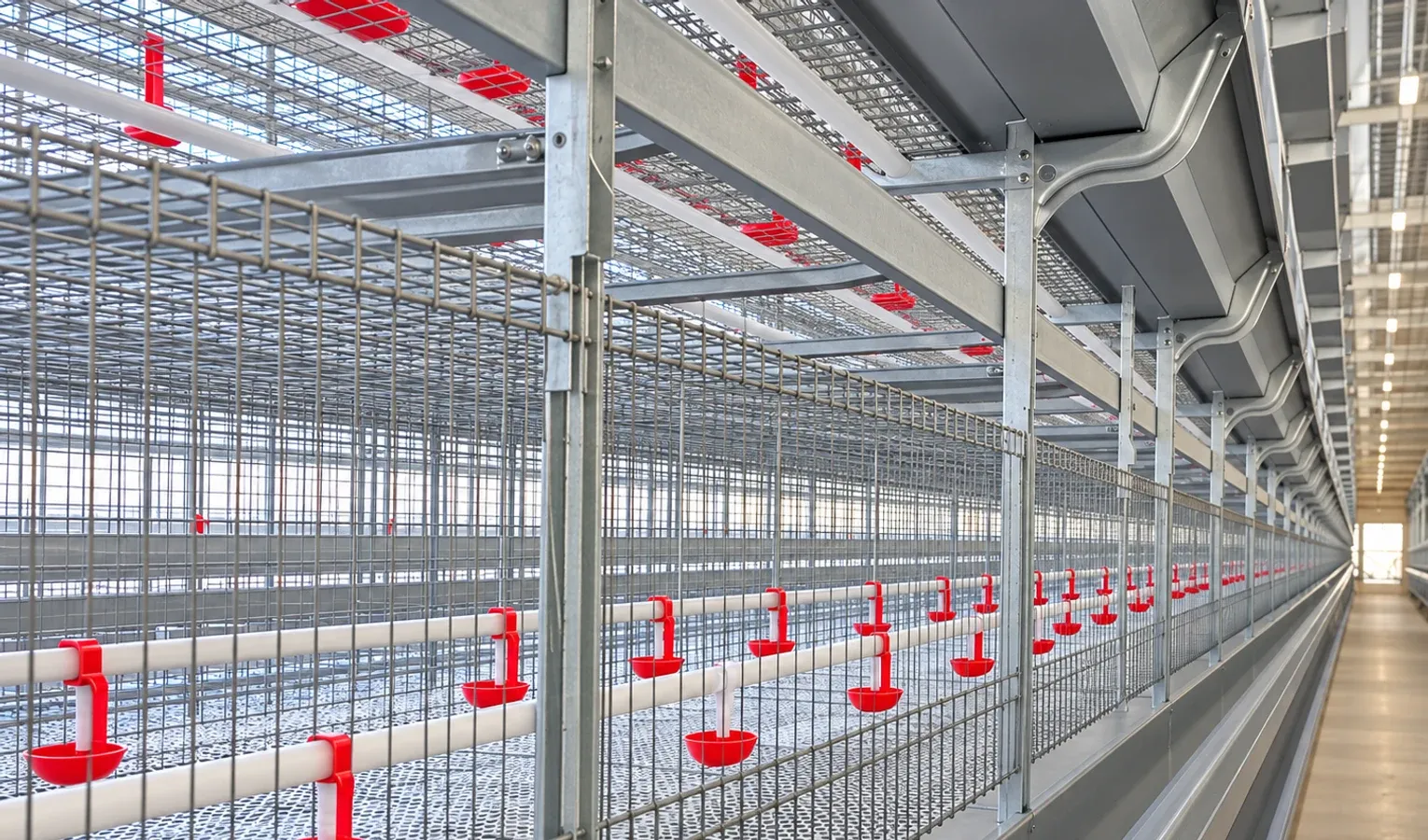
Drinking water standards for poultry: optimal pH (6.0-6.8), TDS, total hardness, iron/manganese limits, bacterial coliform testing, and water-to-feed intake ratios.
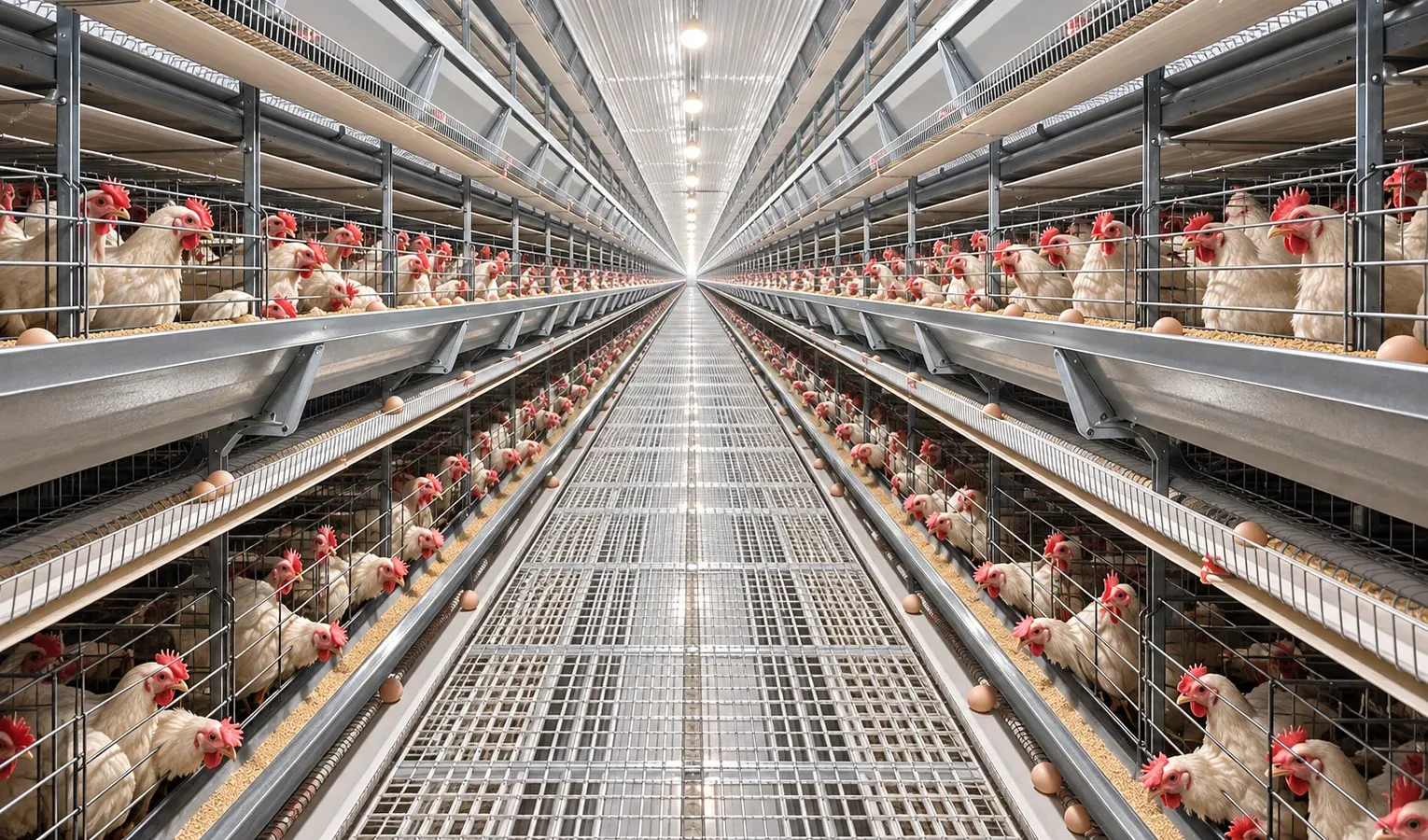
Prevent chronic respiratory issues in poultry sheds: maintaining fresh air exchange, keeping dust levels low, and maintaining ammonia strictly below 10 PPM.
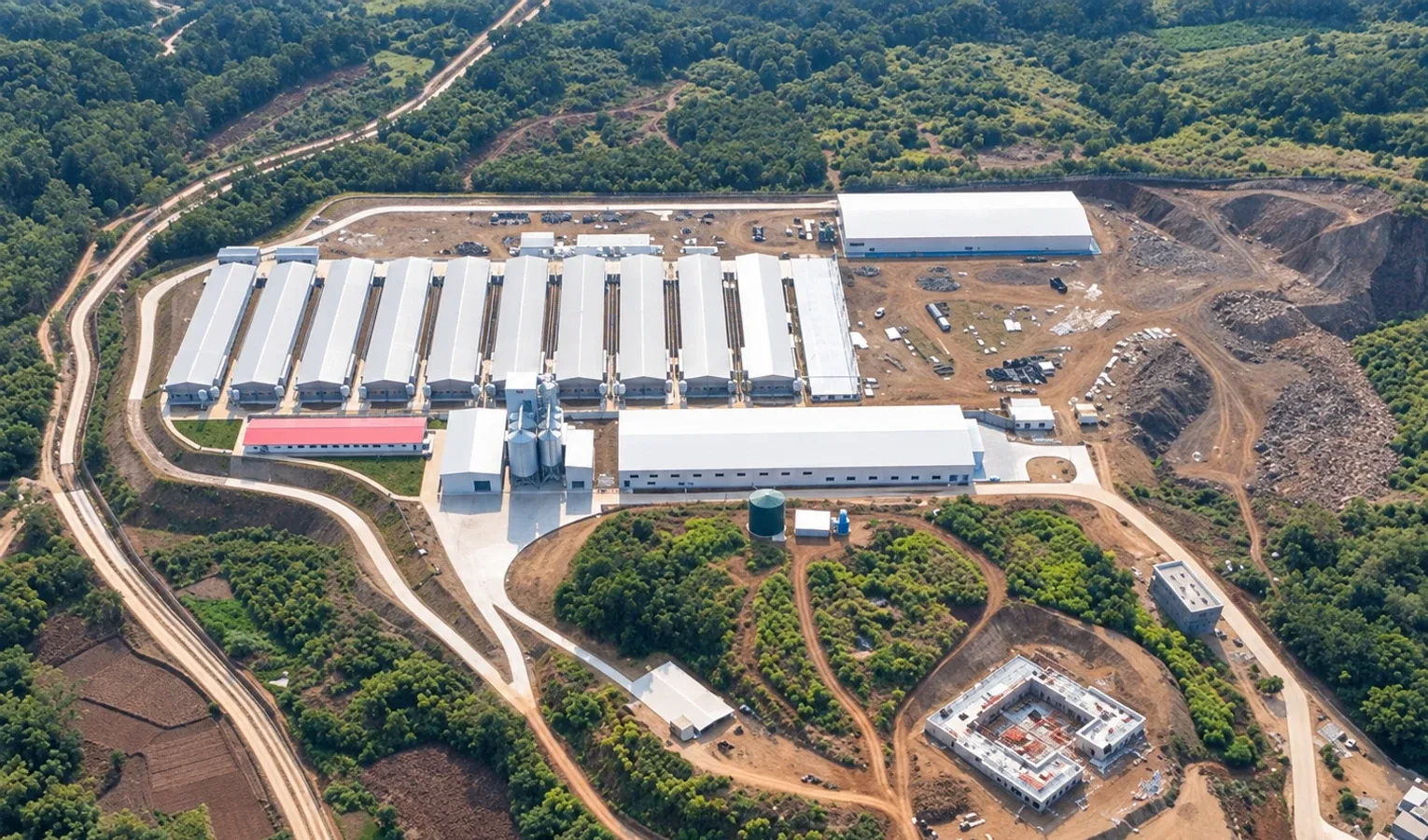
Site planning checklist for poultry farms: East-West house orientation to minimize solar heat gain, prevailing wind considerations, access roads, and water supplies.
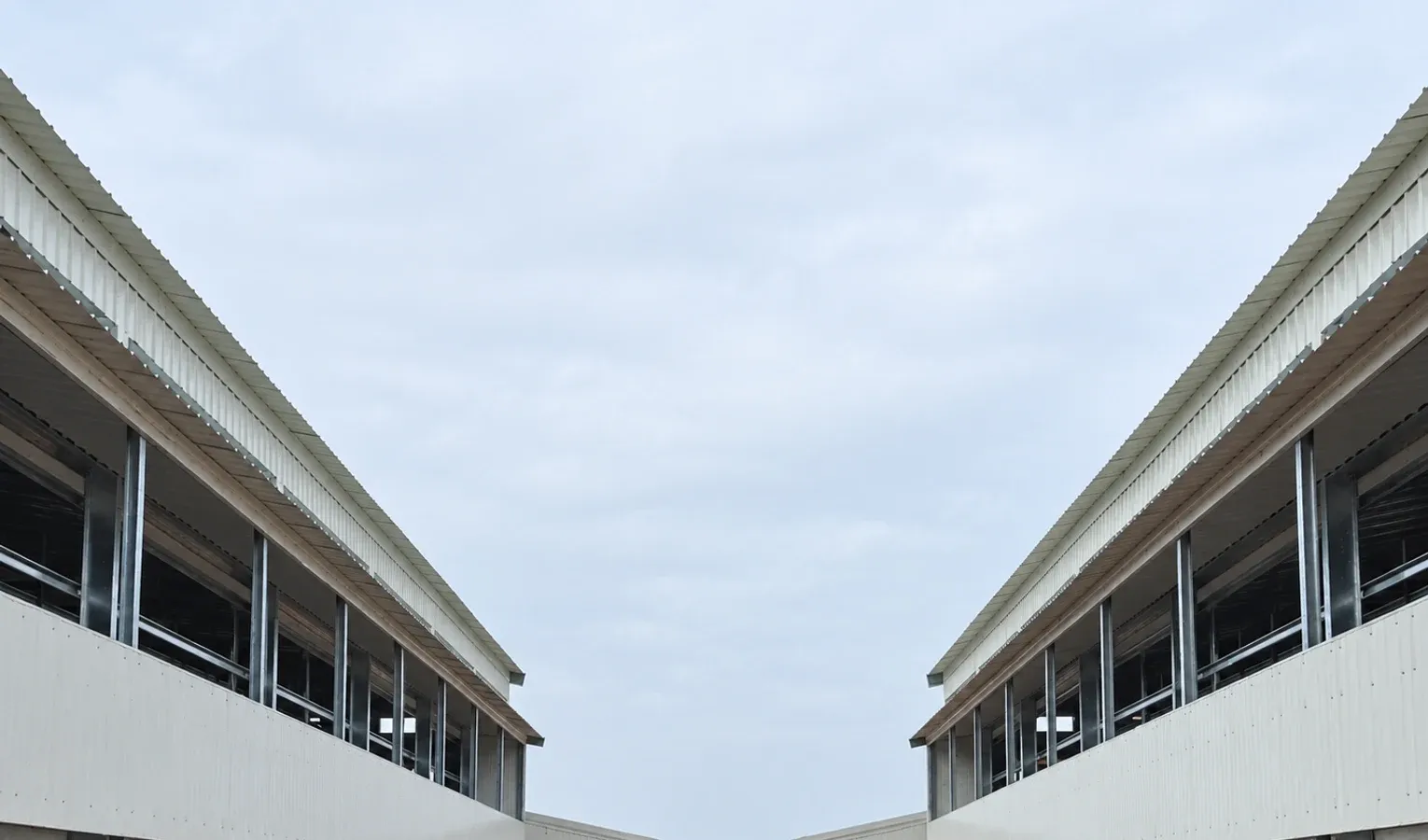
Standard engineering dimensions for modern poultry houses: 12-16m width for tunnel airflow, 80-150m length, 3.8-5.0m eave height, and service room layout.