
At a glance. Understand how pullet weight distribution, housing access and management records help reveal uneven development before transfer to the laying house.
If you want to know how a laying flock will perform months before the first egg, weigh the pullets. Uniformity — how tightly the flock's body weights cluster around the average — is one of the most reliable predictors of laying-house success. A uniform flock matures together, hits a high sharp peak, and holds it; an uneven flock straggles into lay, peaks lower, and finishes with fewer eggs. Because uniformity is set during rearing and cannot be fixed after onset, the pullet house is where the laying flock's fate is largely decided. This article explains why uniformity matters and how to build it.
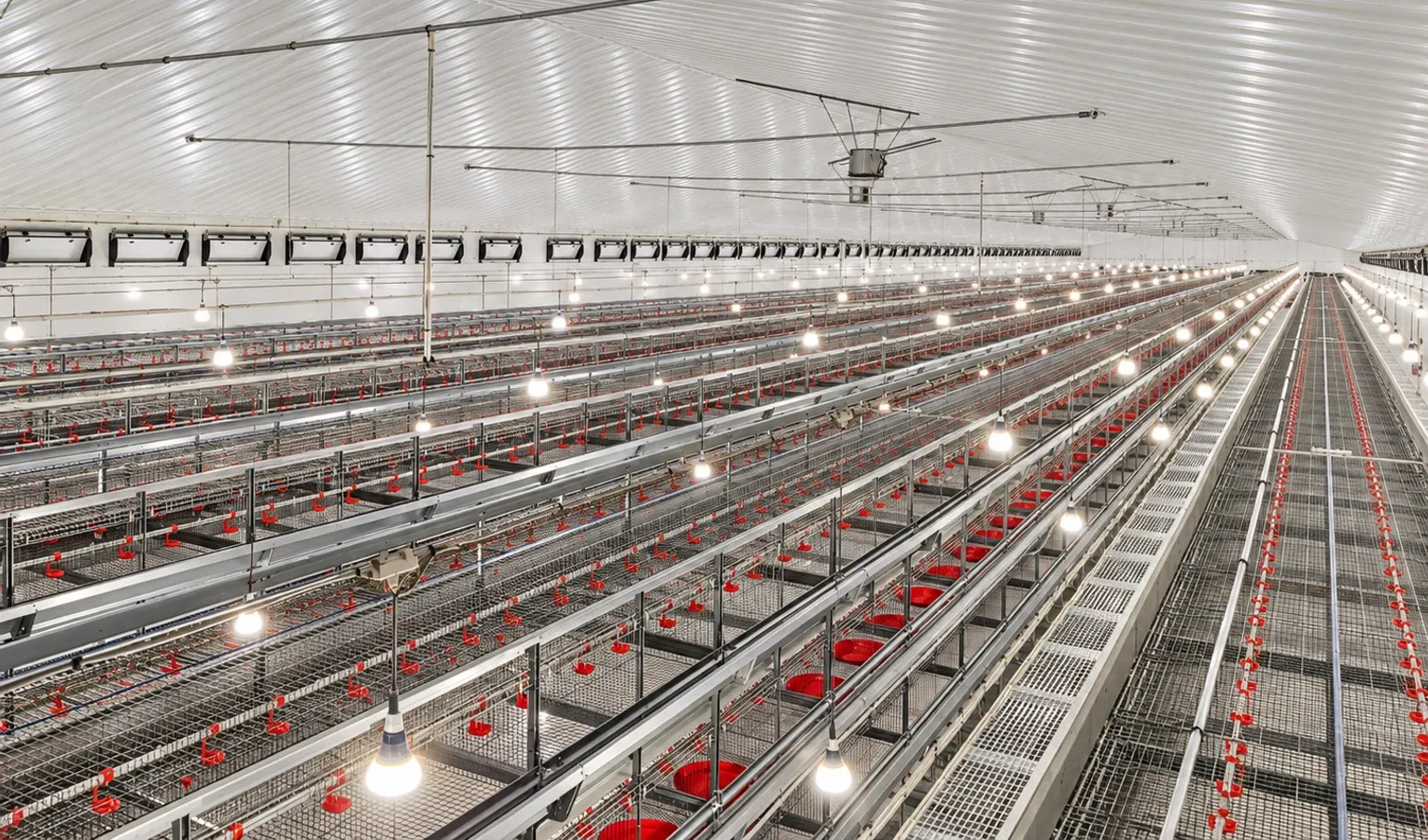
What Uniformity Actually Measures
Uniformity describes how many birds in a sample fall within a defined band (commonly ±10%) of the flock's average body weight. A high uniformity means the birds are close in size; a low uniformity means the flock is a mix of large, medium, and small birds. Because a flock's peak is the sum of individual hens coming into lay, uniform birds switch on together and produce a coordinated, high peak, while an uneven flock comes into lay across a spread of weeks and never concentrates its output.
The 16-Week Predictor
There is a critical checkpoint: uniformity around 16 weeks of age correlates strongly with both the height and the duration of peak production, and therefore with total eggs per hen. By 16 weeks the frame is largely set and the flock's trajectory into lay is established. A flock that is uniform at this point is positioned for a strong peak; one that is uneven is already limited, no matter what happens later. Measuring and acting on uniformity by this age is one of the highest-leverage things a rearing manager does.
The Uniformity Targets
Set clear numerical goals and manage toward them throughout rear.
- Body-weight uniformity — target above 85%, and never accept below 80%
- Frame (shank length) uniformity — target above 90%
- Coefficient of variation (CV) — a lower CV means a tighter flock; act when CV exceeds about 12%
These targets are benchmarks; the exact figures for your breed appear in the management guide, so confirm against it.
Body Weight and Frame Tell Different Stories
Uniformity has two dimensions that must be read together: body weight and skeletal frame (often measured as shank/tibia length). The combination reveals what kind of bird you have and predicts her laying performance.
- Light body, normal frame — an underfed pullet; expect small eggs and a slow rise to peak
- Overweight, short frame — over-conditioned; risk of early maturity, prolapse, and higher mortality
- On-target weight and frame — the ideal, set up for a strong, timely peak
This is why frame uniformity above 90% matters alongside body weight — a flock can be uniform in weight but still carry hidden problems if frames vary.
Where Unevenness Comes From
Uniformity is lost to a handful of recurring causes during rear. Recognizing them lets you prevent the spread before it widens.
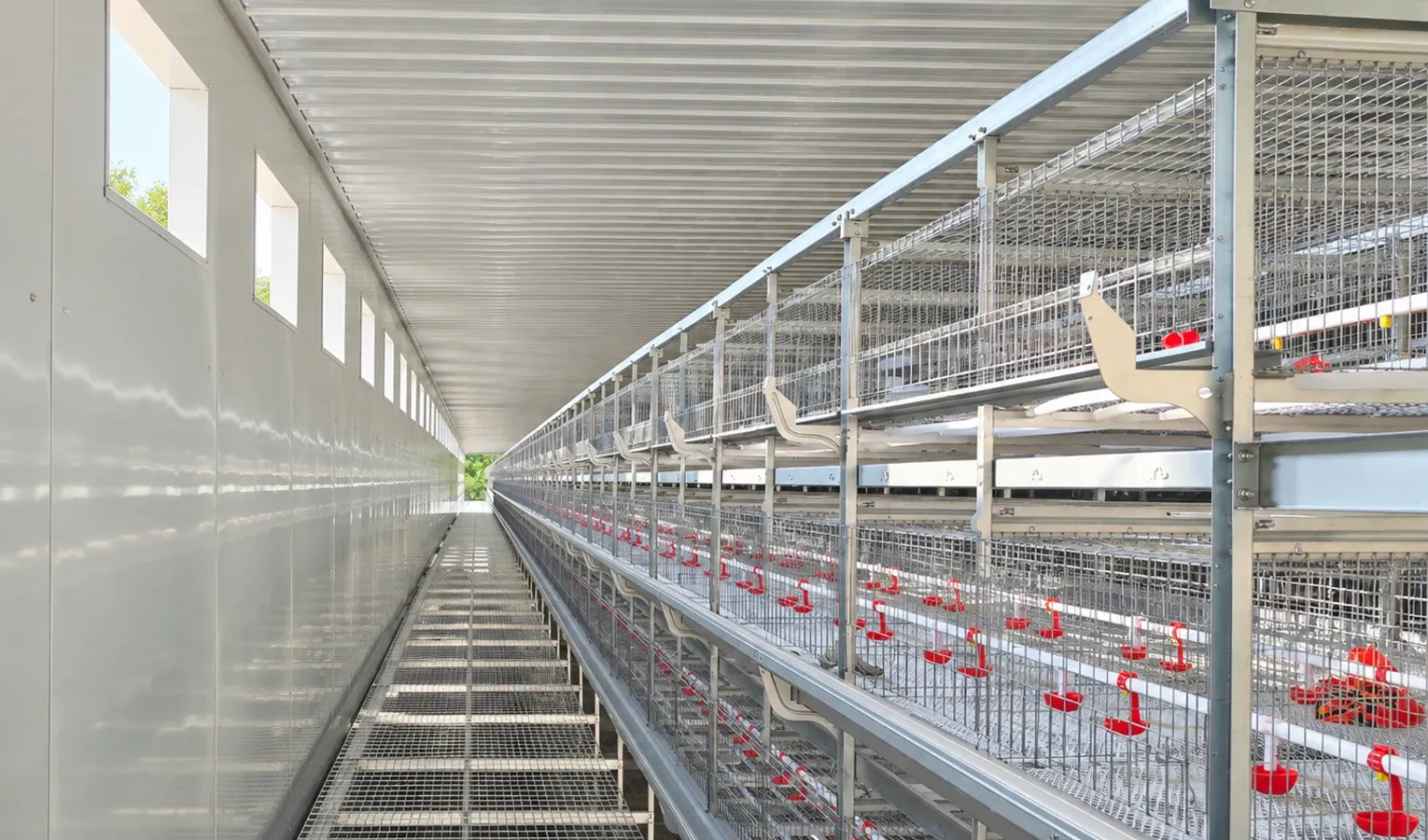
- Feeder and drinker access — too little space lets dominant birds eat first and grow faster
- Stocking density — crowding suppresses timid birds and widens the range
- Disease and parasite challenge — sickness stunts affected birds unevenly
- Poor brooding — a rough start creates early size gaps that never close
- Beak-trimming setbacks — a badly managed trim can check growth in some birds
Most unevenness is a management problem, which means most of it is preventable.
Grading: The Tool for Fixing Spread
The practical remedy for an uneven flock is grading — sorting birds by size and housing them separately so each group can be fed to its own target. Sampling should start early (around 7 weeks), and when the CV exceeds about 12%, weighing the whole flock and splitting it into weight classes lets you feed light birds up and hold heavy birds steady. Grading is the single most effective intervention for salvaging uniformity, and the earlier it is done, the more it recovers.
Weighing: You Can Only Manage What You Measure
Uniformity is invisible without regular weighing. Sample a representative group of birds every week from early rear, calculate average weight, uniformity percentage, and CV, and plot them against the breed target. This turns uniformity from a vague impression into a number you can act on — deciding when to grade, whether feed intake is on track, and how the flock compares to standard. A flock that is never weighed is a flock managed blind.
Feeding for Uniformity
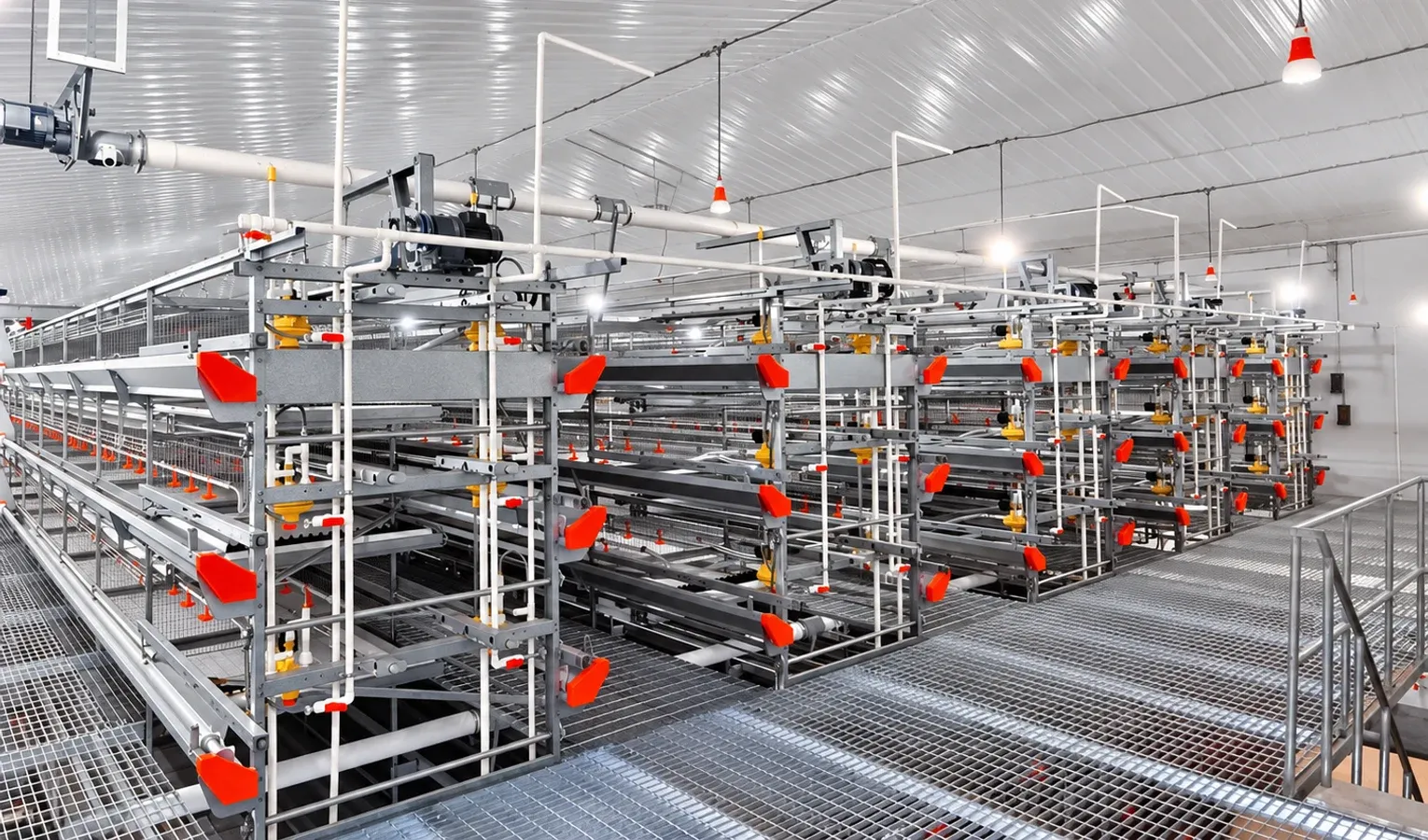
Uniform growth depends on every bird getting fair access to feed and water. That means adequate feeder and drinker space, correct feed distribution so all birds eat within a similar window, and a feeding program matched to the growth curve. Where dominant birds monopolize feeders, spread points widen; where feed is evenly available, the flock grows together. Feed-system design and management are therefore central to uniformity, not just to average growth.
Density and Environment
Crowded, stressful conditions widen the spread of a flock. Adequate floor space, good ventilation, comfortable temperature, and low disease pressure let every bird express its growth potential, keeping the flock tight. Timid and subordinate birds are the first to fall behind in a stressful house, so environmental quality during rear directly protects uniformity. Getting density and comfort right is quiet insurance against an uneven flock.
Uniformity, Body Weight, and Onset Timing
Uniformity works hand in hand with hitting the body-weight target at the right age. A flock that is both uniform and on target reaches sexual maturity together at the intended age, giving a clean onset and a high peak. A flock that is uniform but off-target, or on average but uneven, still disappoints. The goal is the same trajectory for as many birds as possible — the right weight, the right frame, at the right age.
Why Uniformity Cannot Be Fixed Later
The hardest truth about uniformity is that the window to build it closes at onset. Once hens begin laying, their frames are set and their maturity is triggered; you can no longer bring the flock together. Everything that determines peak — how high, how long, how many total eggs — is largely locked in by the end of rear. That is why uniformity is the hidden driver of laying performance: it is built in the pullet house and cashed in over the entire laying cycle.
Let Us Help You Rear a Uniform Flock
Uniformity pays off across the whole laying cycle, and it starts with the right rearing setup — feeder and drinker space, density, weighing routine, and grading capacity. Tell us your flock size and rearing system, and our team will help you plan equipment and management that keep pullets growing together toward a strong peak. Share your details and we will help you build uniformity from day one.
Visual checklist
Related reading
Pullet Rearing: Monitoring Growth and Uniformity
Layer Lighting Programmes: Rearing Through Production
Further reading
Use the management guide for the actual breed, age and housing system when selecting flock targets. Review changes with the farm team and the relevant nutrition, health or equipment specialist.