At a glance. Coordinate packing lists, site preparation, installation responsibilities and operator training when importing equipment for a poultry farm.
Buying equipment overseas raises real questions: how does it ship, who installs it, and who trains your team? A good supplier handles the whole chain, not just the sale.
This article explains container shipping, on-site installation and commissioning, and operator training, so overseas buyers know exactly what to expect from design to first eggs.
Confirm the shipping scope in writing
Clarify who arranges transport, export packing, insurance where applicable, customs handling and inland delivery. State the agreed delivery term and named place on the commercial documents. Requirements depend on the destination and shipment, so obtain advice from the appointed logistics provider rather than assuming every export follows the same process.
Use the packing list as an installation tool
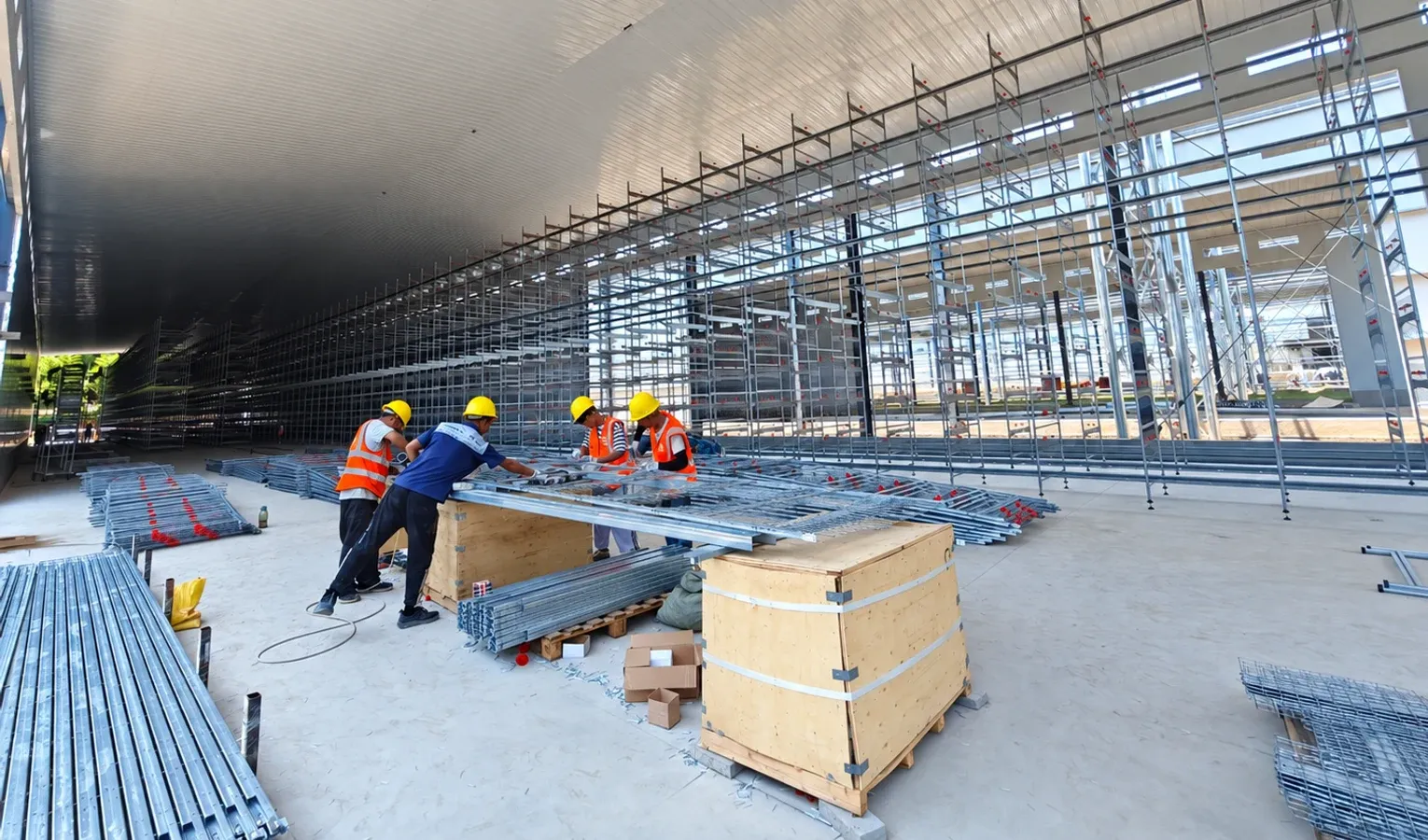
Packages should be traceable to the equipment and drawing references supplied with the order. Agree how parts, drives and electrical components will be identified. At receipt, compare package counts with the documents and record visible damage or missing items. Keep labels intact until the contents are checked and allocated to their installation area.
Prepare the destination before arrival
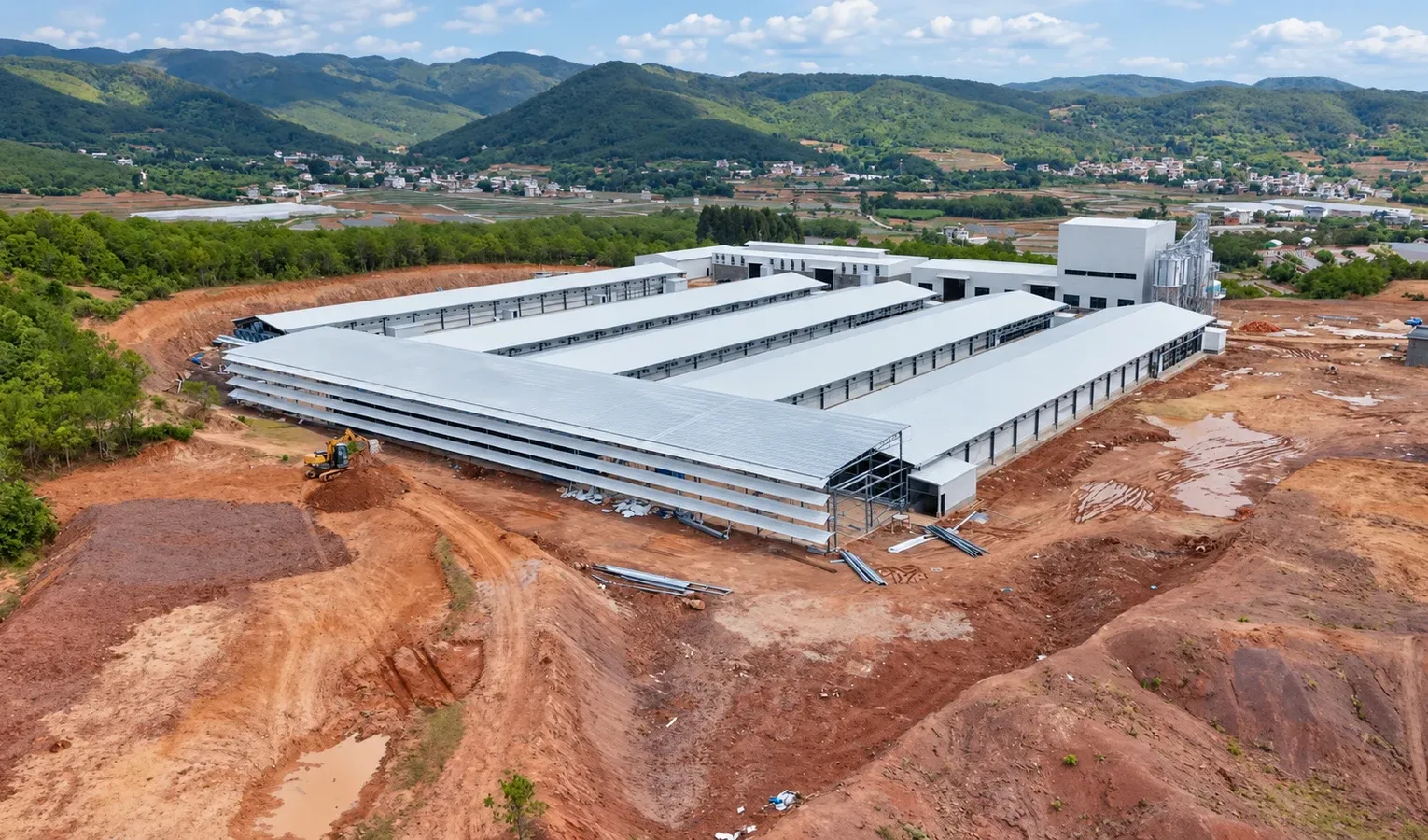
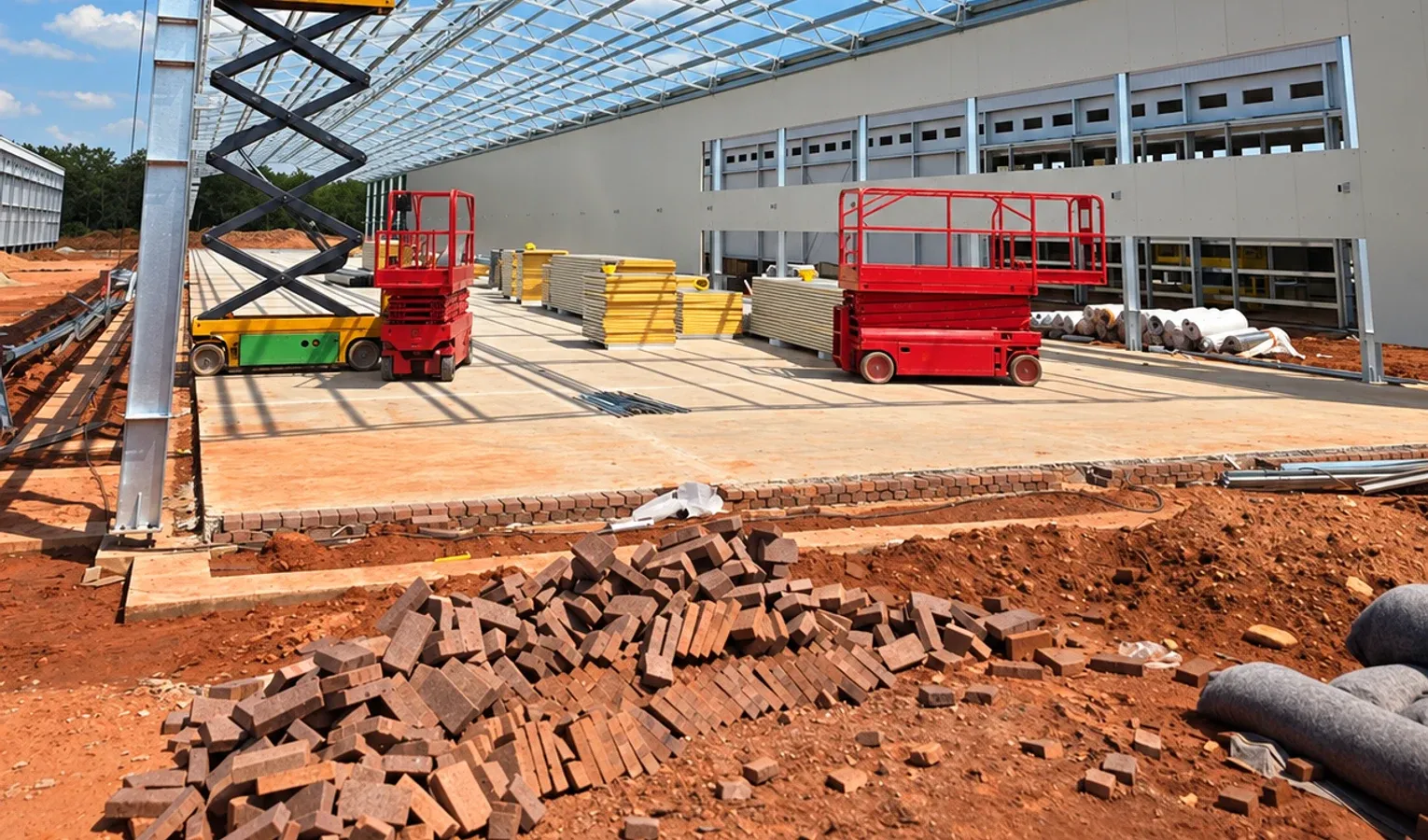
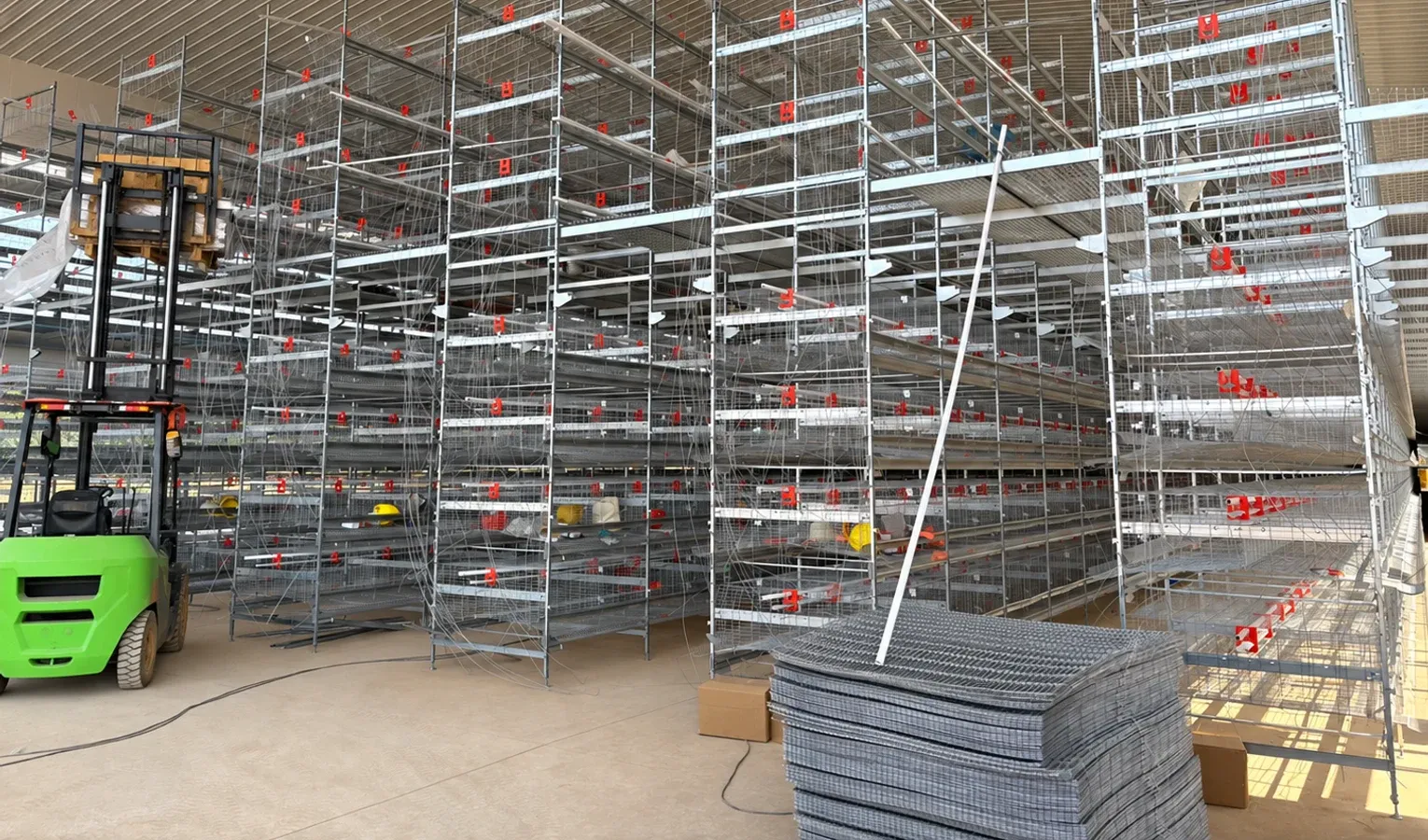
Confirm site access, unloading arrangements, storage and the readiness of the poultry house. Check dimensions, floor condition and utility connection points against the approved plan. A container arriving before the building is ready can create avoidable handling and storage work. Report differences to the supplier before installation begins.
Organise installation responsibilities
Write down which work is performed by the supplier's team and which is provided locally. This may include labour, lifting, tools, electrical work and utility connections. Establish one contact for drawing questions and change requests. Keep a daily record of completed work and outstanding items so the next stage does not conceal a problem from the previous one.
Complete training with the actual operators
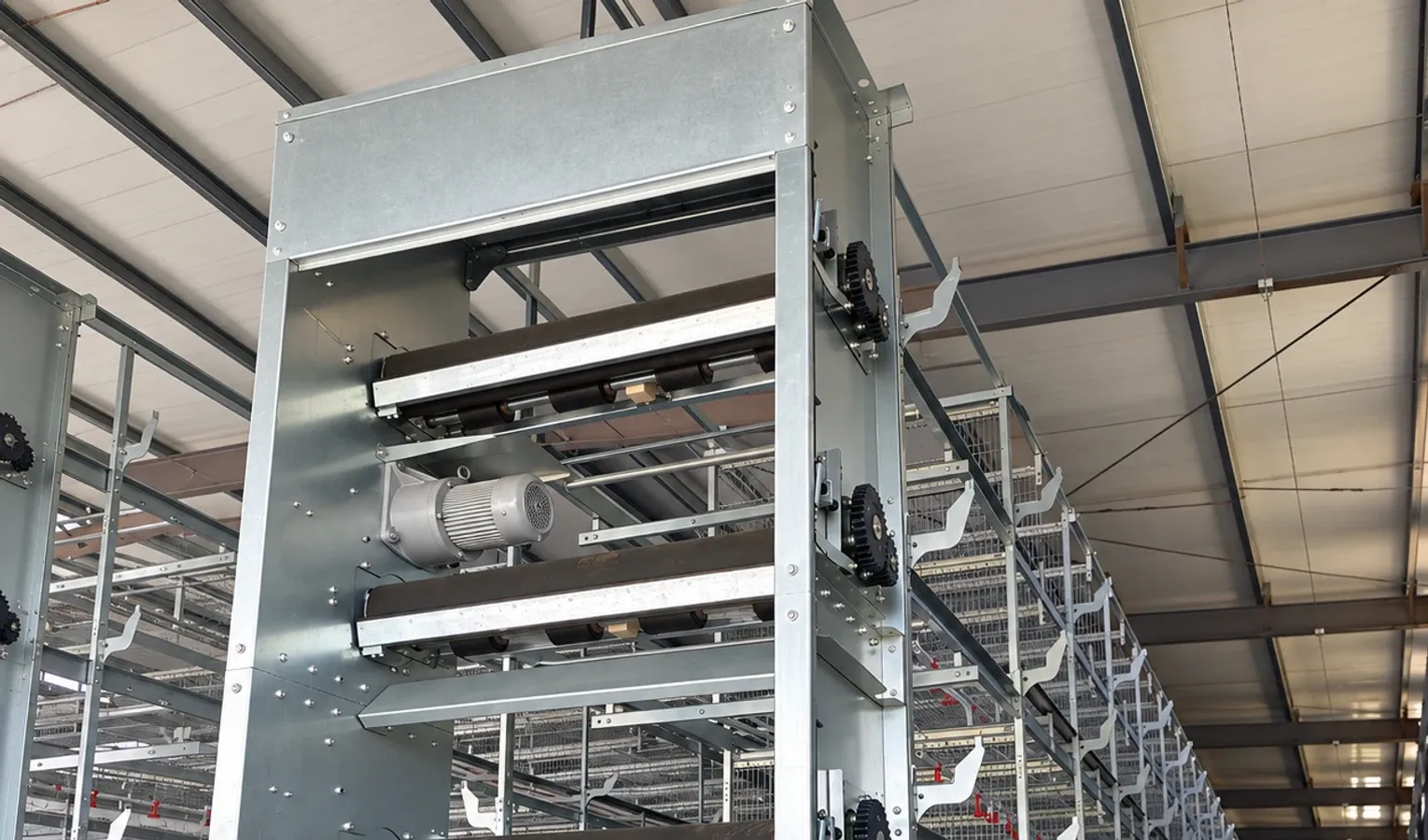
Training should cover normal starts and stops, routine inspection, safe isolation and the route for reporting faults. Give the farm the applicable manuals and spare-part references. Finish with a documented commissioning and handover review. Photos of installed components and their labels make later remote support more effective than a general description of the entire house.
Visual checklist
Related reading
Poultry Equipment Quotation: What to Check Before Paying
How to Choose a Poultry Equipment Supplier