At a glance. Review market choice, equipment scope, house layout, staffing and working capital before committing to a first commercial poultry project.
Entering poultry farming is exciting, but predictable mistakes sink many first-time investors, from wrong equipment choice to skipping the planning stage.
Drawing on hundreds of projects, we list the most common and costly errors and how to avoid them so your first flock becomes a profitable, growing farm.
Choosing birds before choosing a market
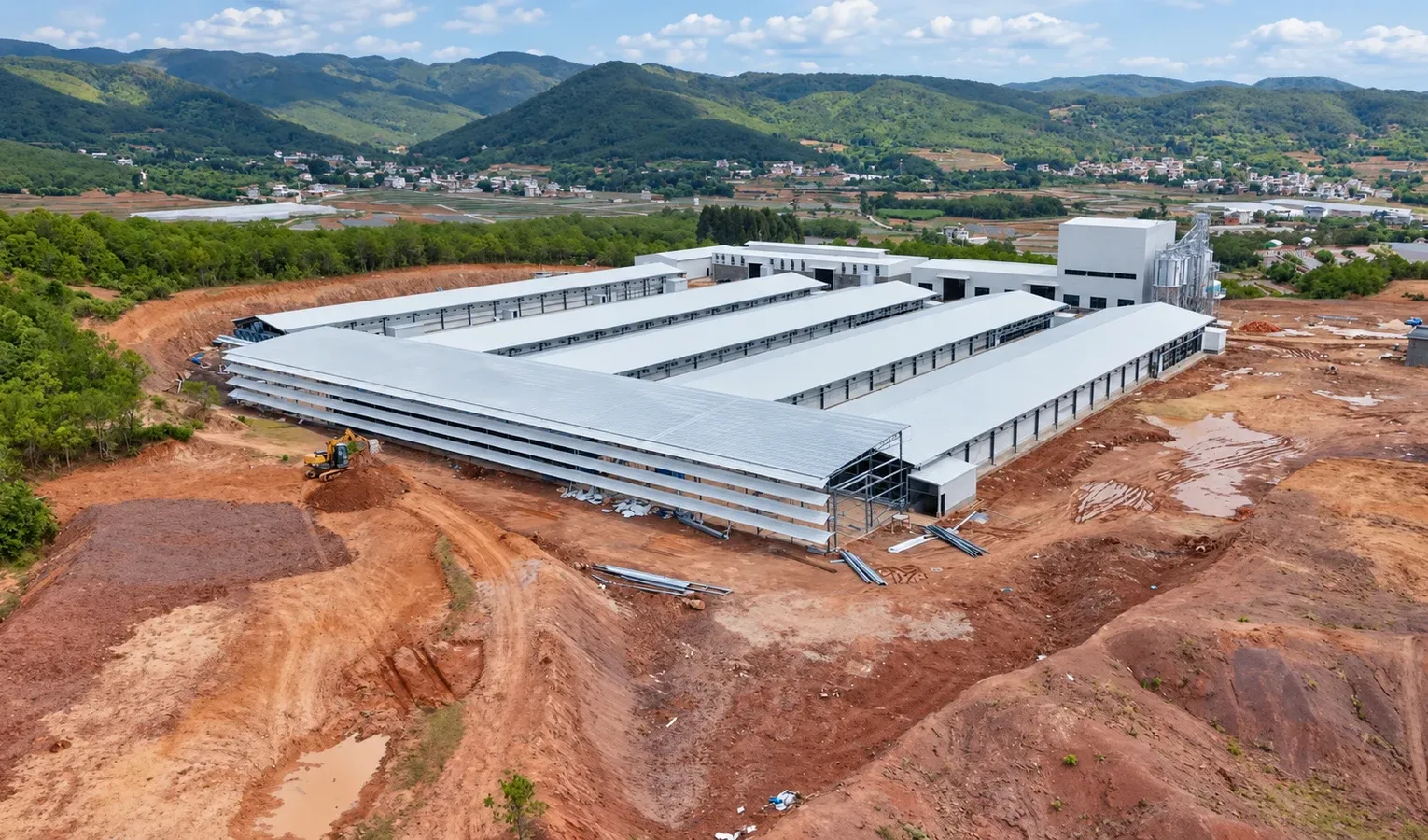
The production plan should begin with the intended buyer, product and route to market. Layer and broiler operations have different equipment and working schedules. Confirm how eggs or birds will be sold and which requirements the buyer applies. The housing decision becomes more useful when it is linked to a clear operating objective.
Comparing only the headline equipment price
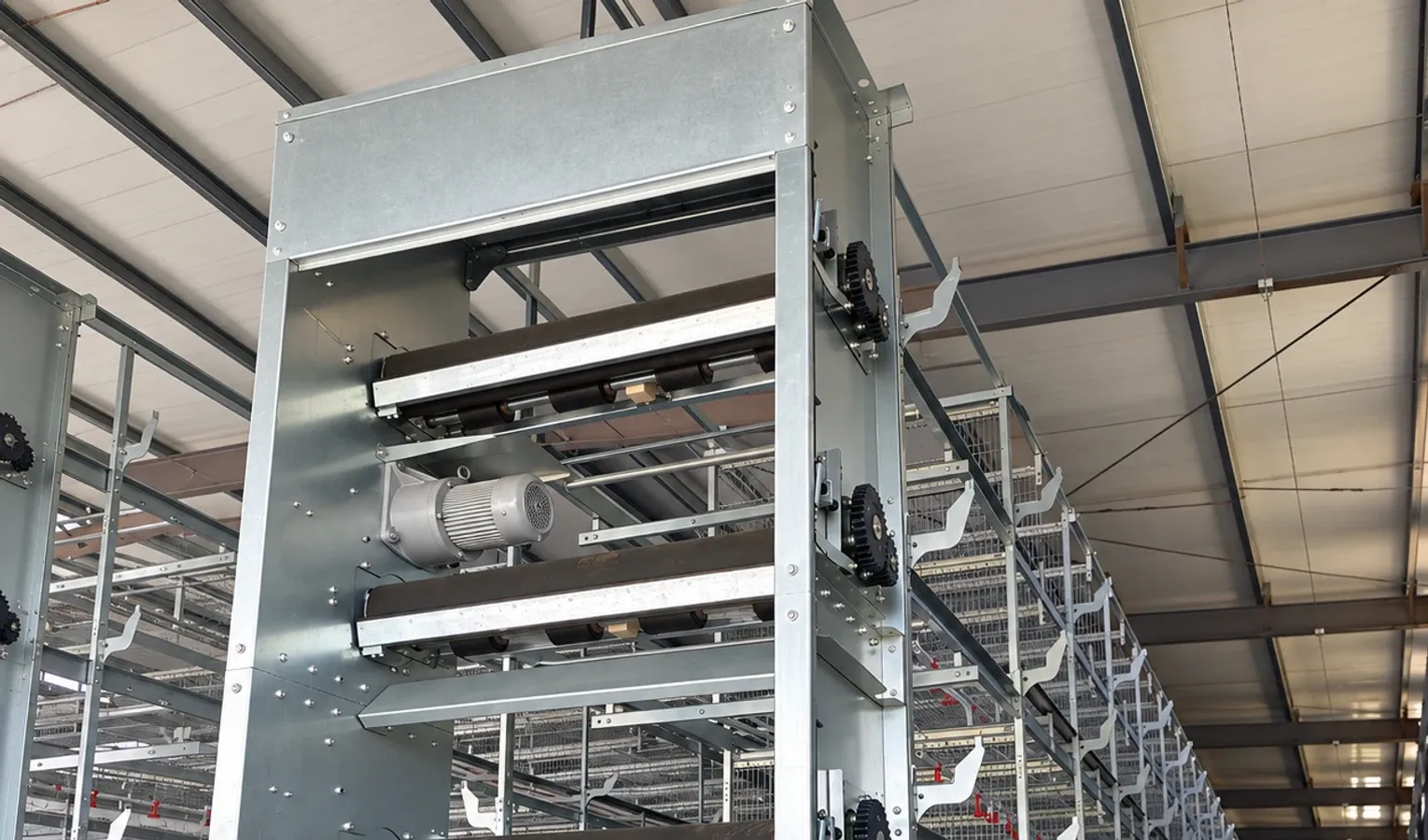
Two quotations can cover different parts of the farm. Compare the cage or floor system together with feed delivery, water, climate control, manure handling and installation. Mark what is excluded and who supplies it. A cheaper quotation may simply stop at an earlier point in the project, leaving the farm to arrange the missing connections.
Building before the layout is agreed
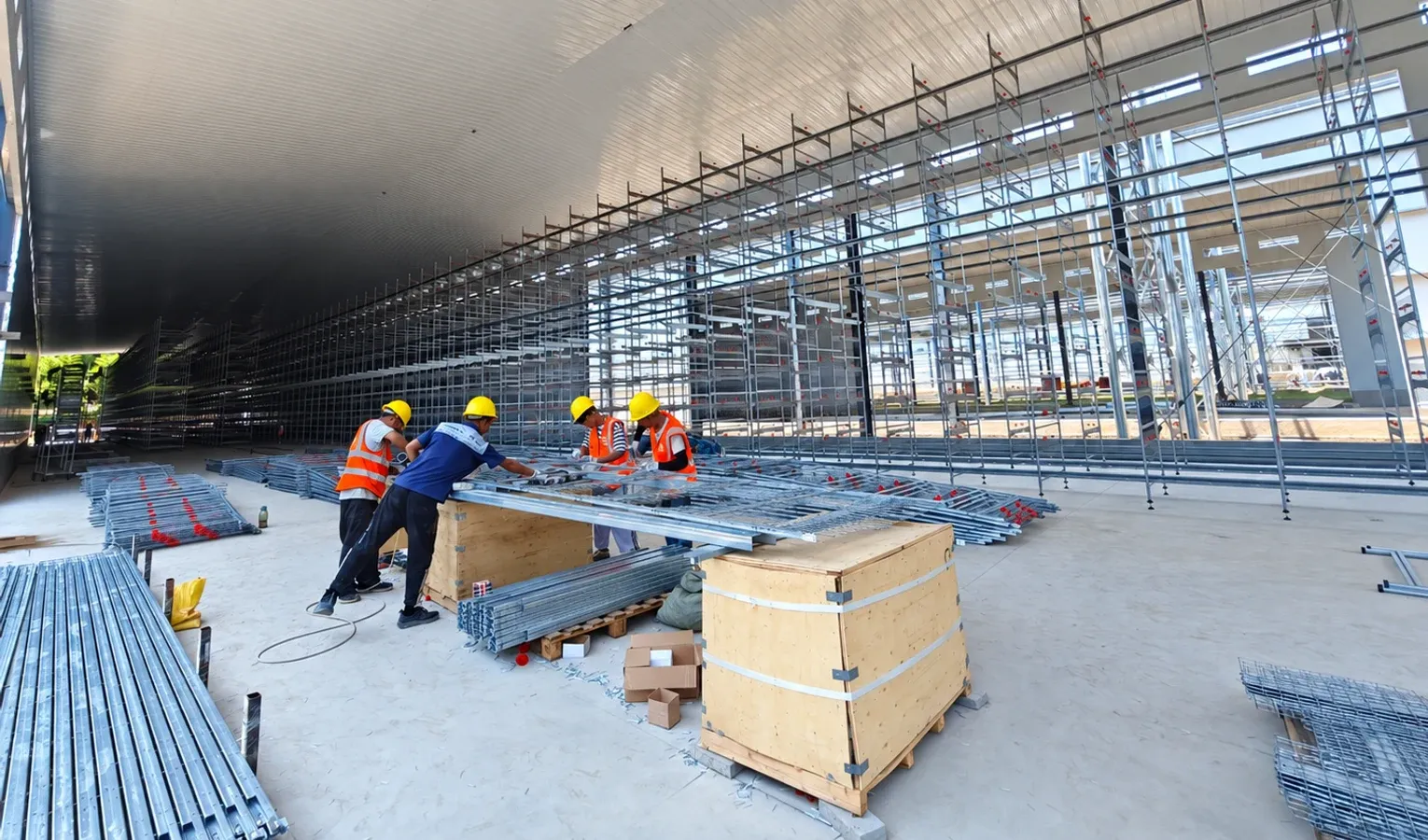
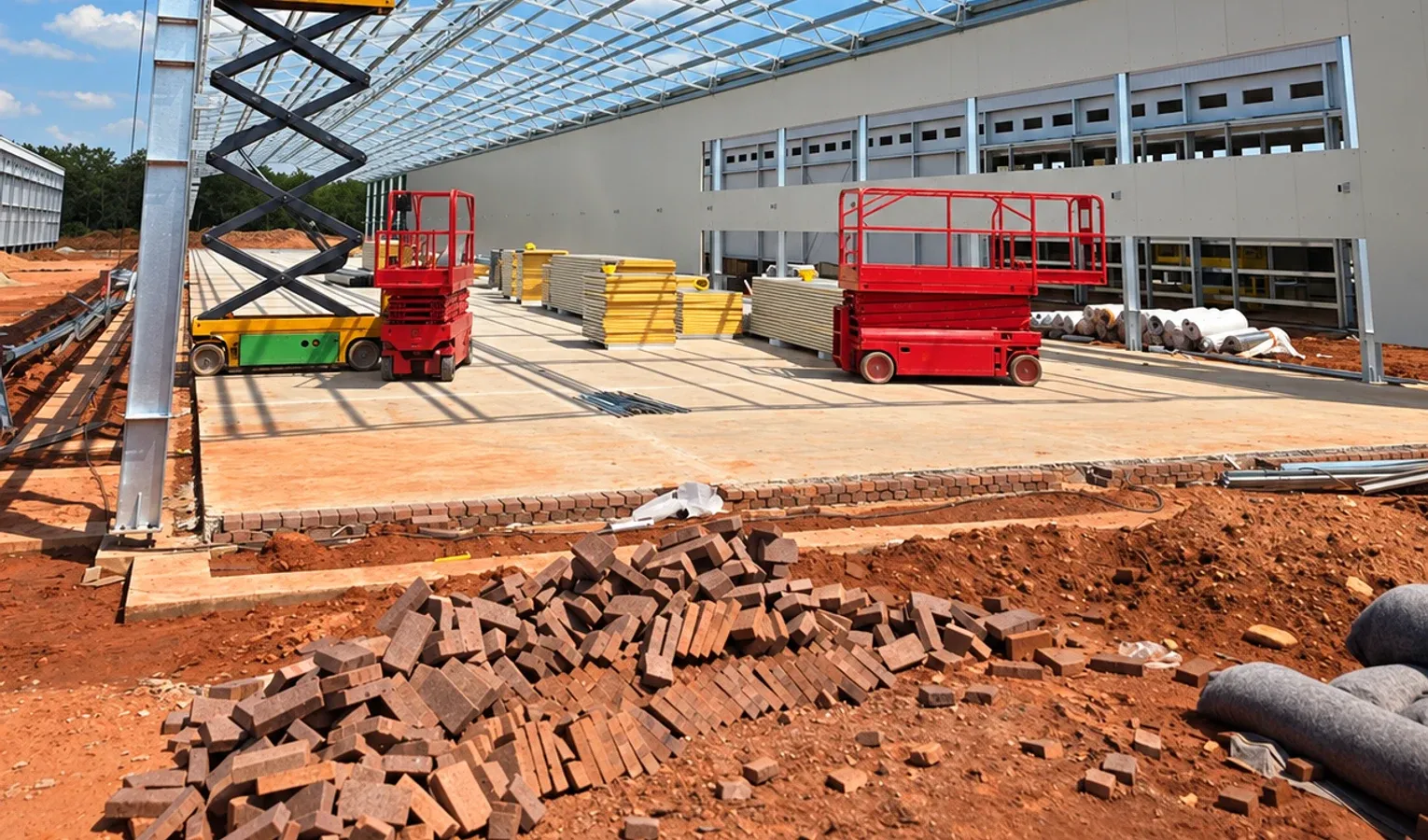
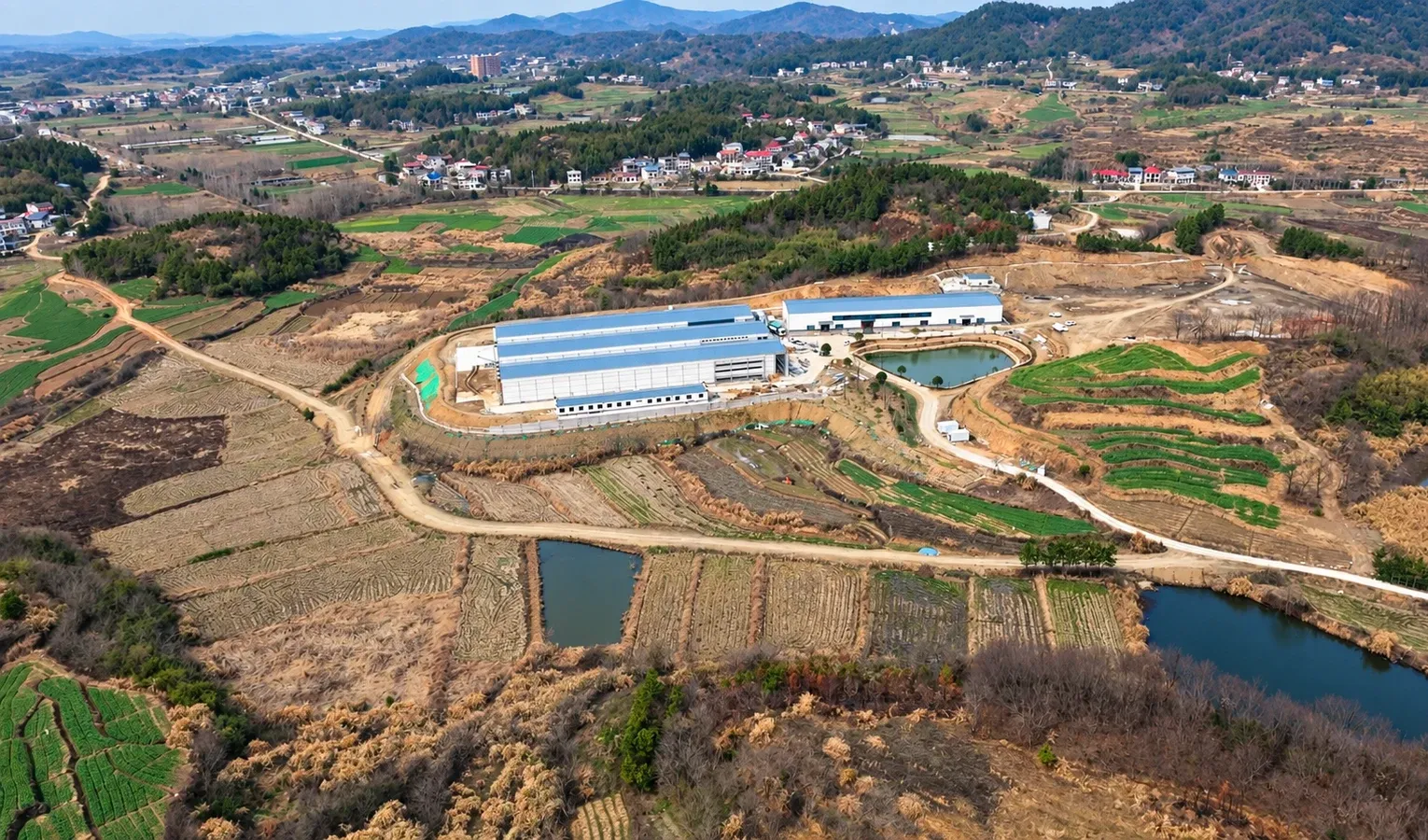
Doors, columns, floor levels and end clearances can restrict equipment installation. Confirm the dimensioned layout before committing to construction details. Use one controlled drawing set for the contractor and supplier. If the building already exists, provide accurate measurements and photographs so the proposal addresses its actual constraints.
Forgetting cash and people after installation
The first flock requires more than finished equipment. Plan staffing, training, utilities, feed and other operating resources using local costs. Consider the time between expenditure and customer receipts. Have the financial plan checked for the actual business and avoid treating an equipment supplier's illustration as a guaranteed investment return.
Leaving handover until the final day
Agree the commissioning checks, operating instructions, spare parts and service contacts in advance. The people who will run the house should take part in training. Keep a record of unresolved issues and who will close them. A well-organised handover gives the farm a repeatable starting point instead of leaving operators to learn every control during production.
Visual checklist
Related reading
10,000-Layer Farm Cost: Build a Budget You Can Use
Layers or Broilers: Choosing a Poultry Business Model