At a glance. Compare egg and meat production through customer demand, cash flow, daily work and building needs before selecting poultry farm equipment.
Layers and broilers are not two versions of one business - they are different businesses with different cash-flow shapes, equipment and risks. The right choice comes from your market and your capital, not from preference.
The cash-flow shapes are opposite
- Broilers: 35-42 days to market weight, 6-7 batches per year. Money comes back fast, but every batch needs a fresh purchase of chicks and feed, and margin per bird is thin.
- Layers: a 17-week wait before the first egg, then 60+ weeks of daily income from the same flock. Heavier upfront investment (pullets plus cage systems), far steadier revenue.
- Dual-purpose: slower growth and fewer eggs than either specialist - viable for free-range and niche local markets, not for a commercial confined operation.
Let the market decide, not the brochure
Spend four weeks collecting local numbers before committing: wholesale egg price through the year, live-bird and dressed-chicken prices, and who actually buys - traders, processors, or market stalls. A region with strong daily egg consumption and stable prices favours layers; a region with high chicken-meat turnover and active live-bird markets favours broilers.
Match the capital cycle to your pocket
Broilers need less capital per bird and forgive a wrong guess quickly - a bad batch is over in six weeks. Layers punish mistakes slowly: you carry the flock for four months before the first cheque, so underfunded layer farms fail not from disease but from running out of feed money before peak lay.
A practical rule
Tight capital and a fast-moving meat market: start with broilers. Patient capital and a stable egg market: go layers - the equipment life (15+ years for a good cage system) rewards the longer game. And do not split a small first farm across both; two half-flocks means two sets of equipment, two management routines and no economy of scale in either.
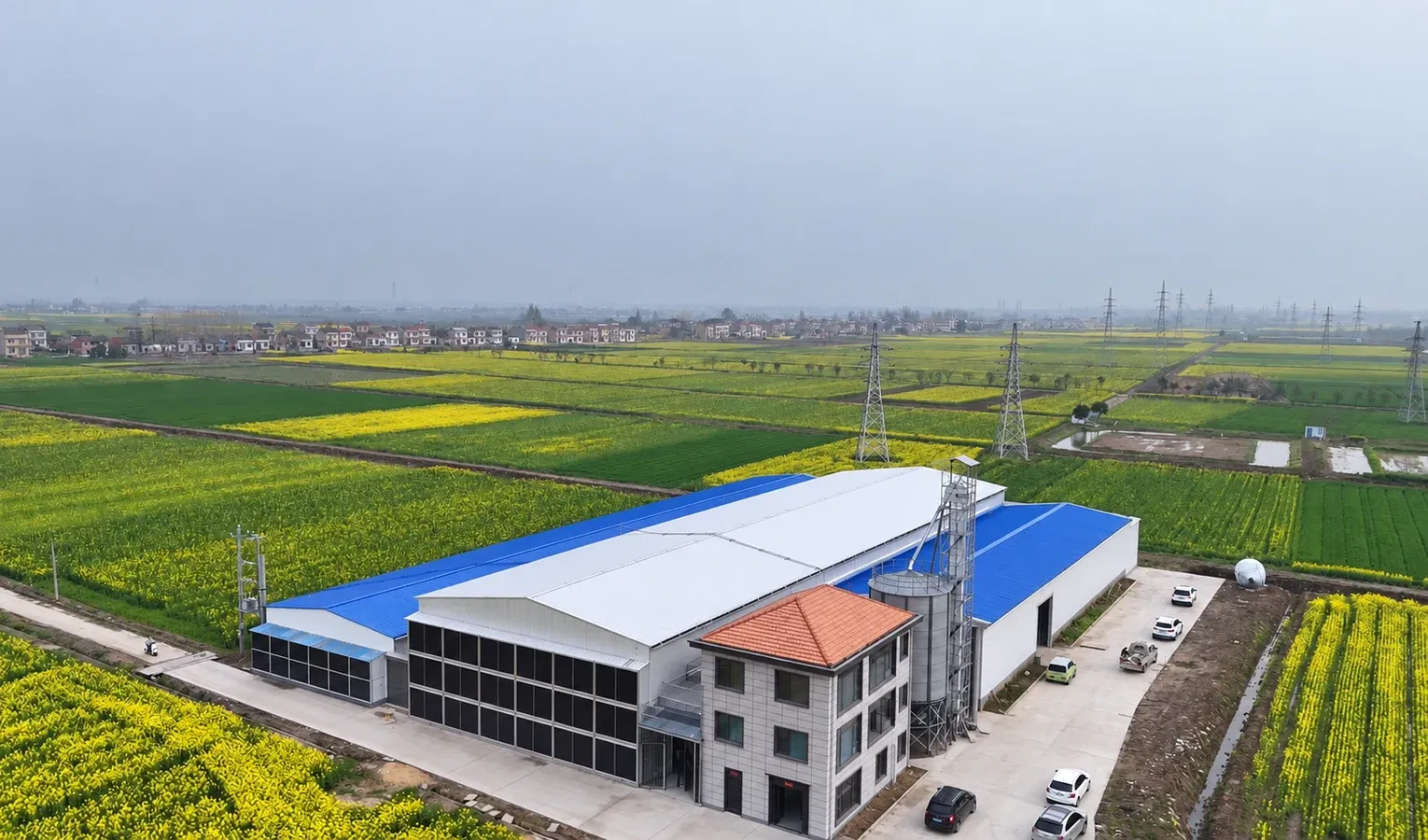
Work backwards from the customer
Identify whether the intended business sells eggs, meat birds or another defined product, and how customers buy it. Market requirements influence housing and handling choices. Discuss the proposed bird type with the flock supplier and the farm team. Equipment should be selected for a production plan that can be described clearly, rather than for a category name alone.
Compare the daily work
A layer farm involves repeated egg handling alongside feed, water and flock checks. A broiler operation plans around placement, growth, removal and turnaround. Write down the work calendar for each option, including cleaning and equipment preparation. Consider the staff and management resources available to perform that work consistently.
Review the building fit
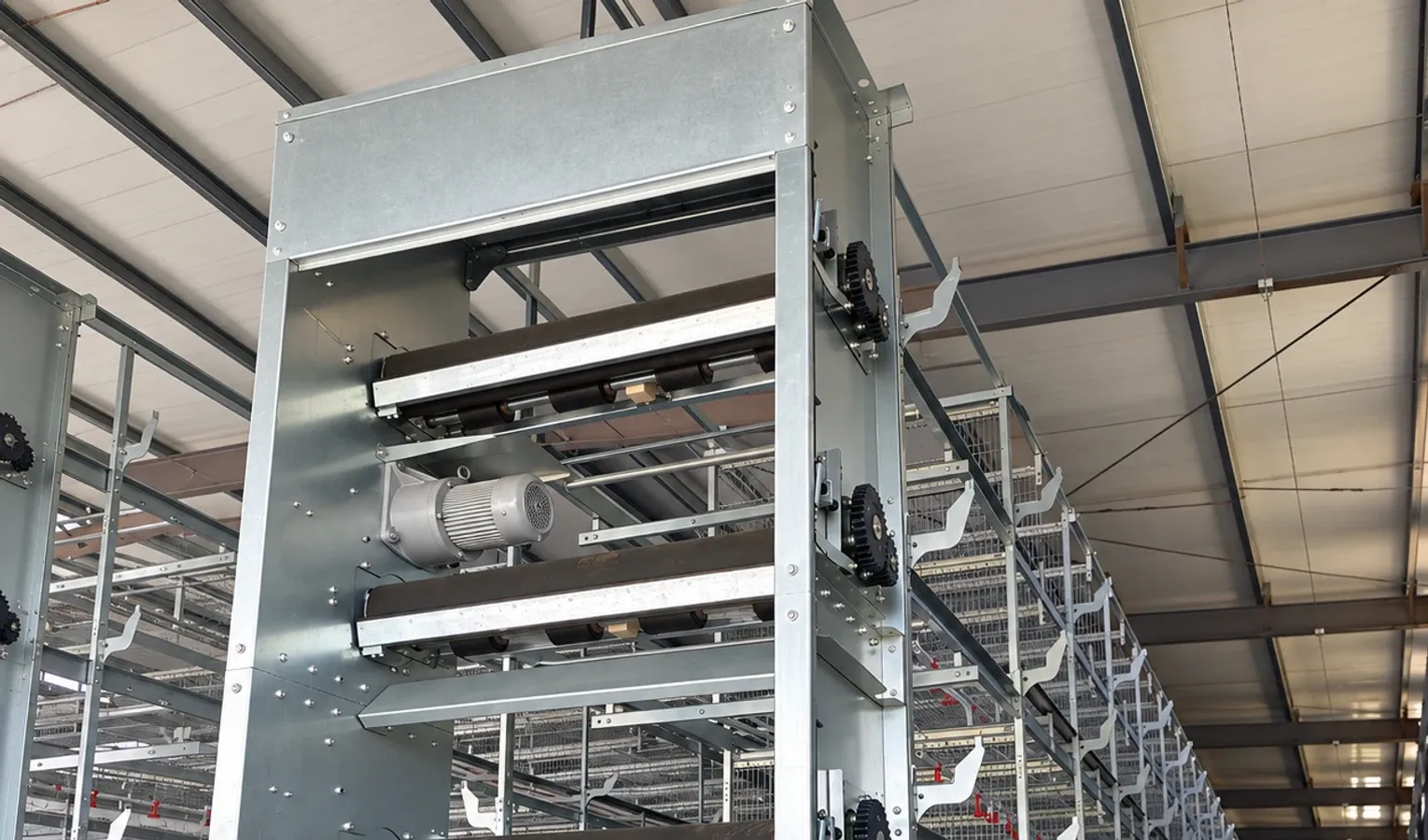
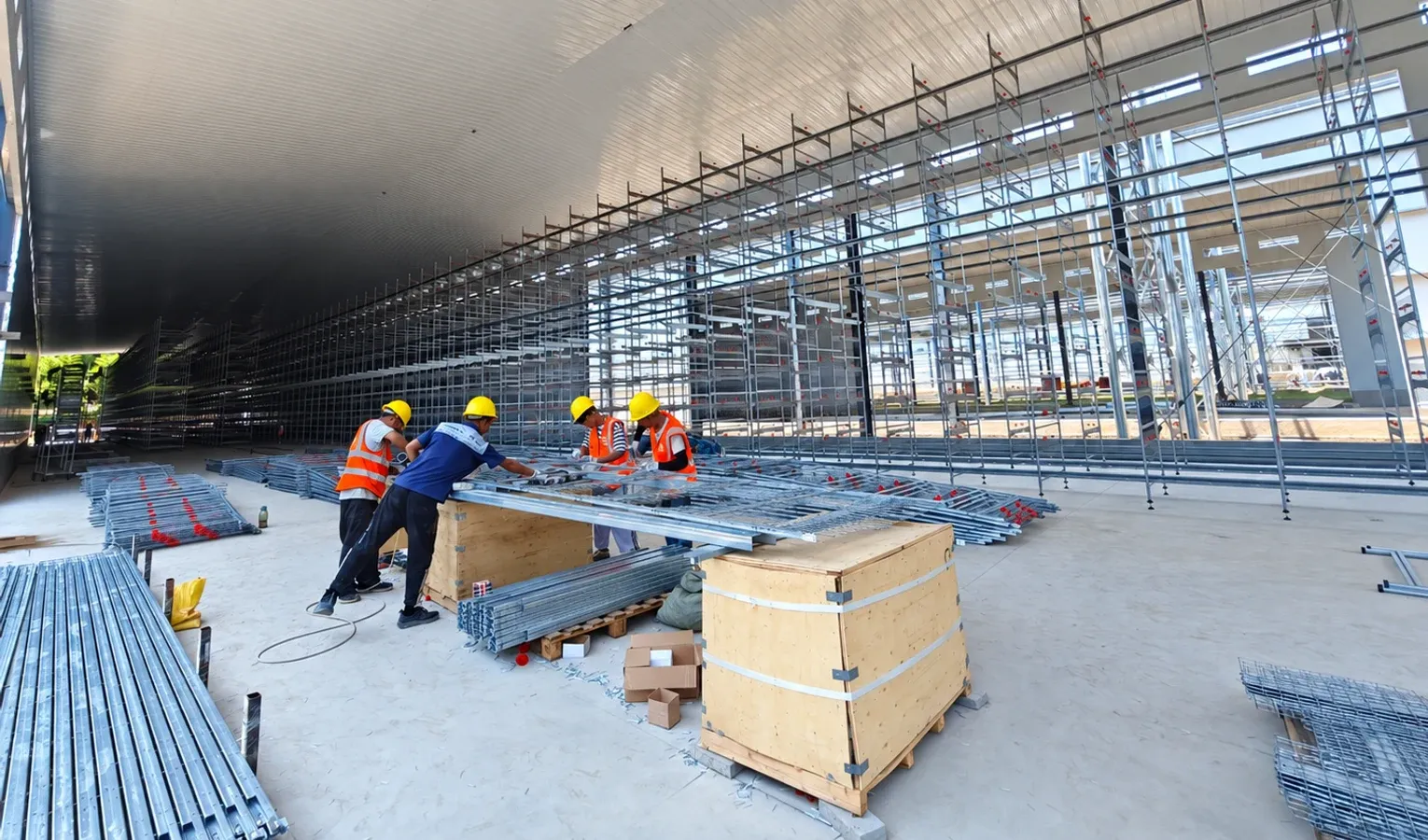
An existing building may favour one arrangement, but its limitations should be measured rather than guessed. Give the supplier internal dimensions, openings, structural obstructions and utility information. Ask how the proposed system uses the space and how birds, eggs or materials move through it. Include access for maintenance and unloading.
Keep budgets specific to each proposal
Use separate equipment scopes and operating assumptions for layers and broilers. Do not transfer a cage price, labour estimate or production expectation from one model to the other without review. Local input costs and customer arrangements should be checked independently. The comparison is a planning exercise, not a universal statement that one kind of poultry business earns more.
Select equipment after the operating model
Once the bird type and market are agreed, choose the housing and supporting systems as a coordinated package. Record the questions still open and the information needed to close them. If the business is staged, distinguish the first phase from later expansion. That keeps the initial purchase focused while preserving a practical route for future development.
Visual checklist
Related reading
Starting a Broiler Farm: Business and Equipment Planning
10,000-Layer Farm Cost: Build a Budget You Can Use