At a glance. Build a broiler-farm plan around market demand, house readiness, equipment scope, local costs and working capital before placing the first flock.
Most "how to start broiler farming" guides list the steps and skip the arithmetic. The arithmetic is the business. Here is the plan we walk new investors through, with the numbers attached.
Size the first flock honestly
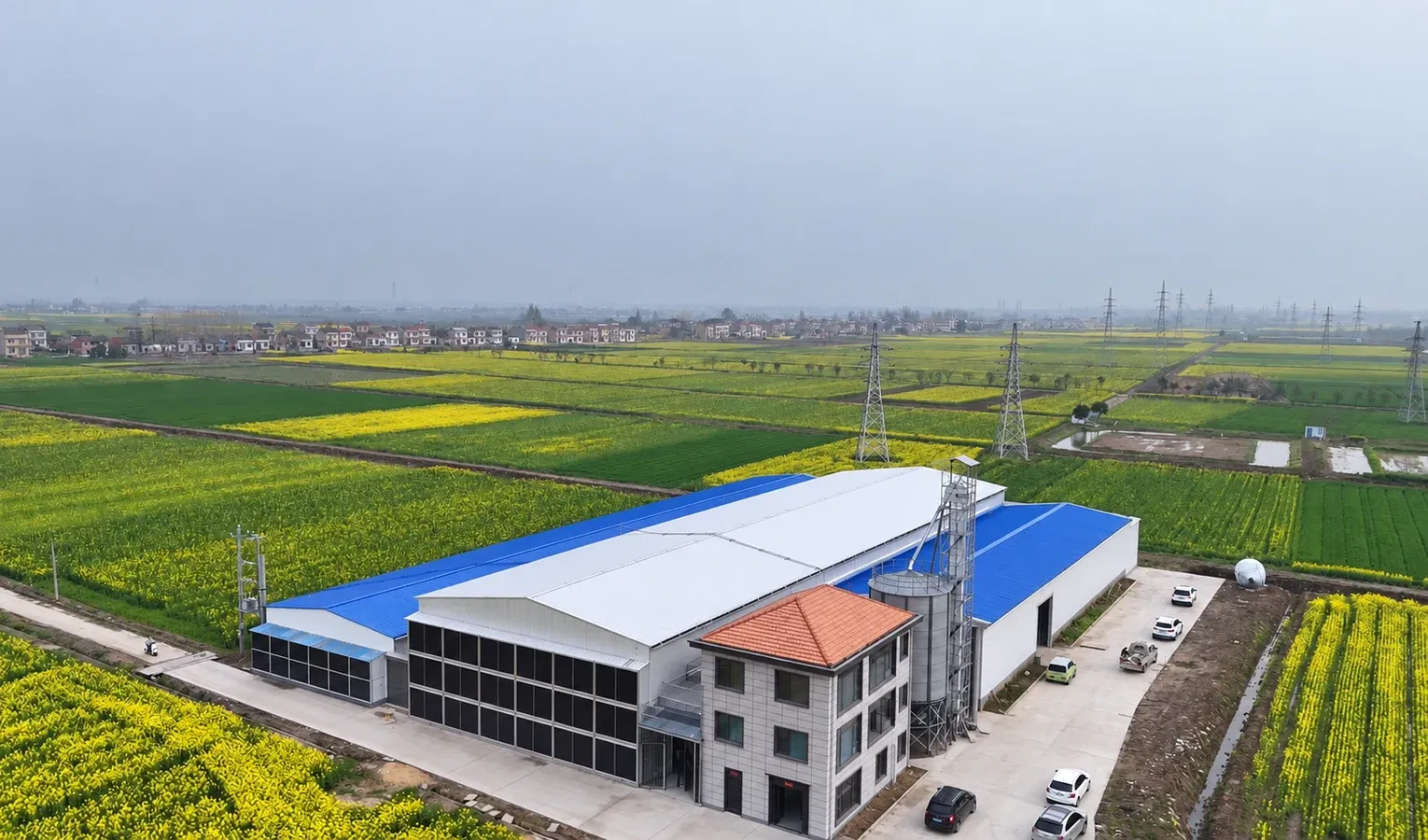
Build the house for your target scale, but stock the first cycle at 5,000-10,000 birds even if the house can hold more. The first batch exists to prove your feed supply, your buyer and your management routine - losing money on 8,000 birds teaches the same lesson as losing it on 30,000, at a quarter of the tuition.
The cycle math
- Market weight of 2.2-2.6 kg in 35-42 days with a modern breed
- Feed conversion ratio 1.6-1.8 - about 4 kg of feed per bird to slaughter
- Target mortality under 5%; above 8% means a ventilation, brooding or chick-quality problem
- 6-7 cycles per year with a 10-14 day cleanout and rest between batches
House and equipment cost per bird
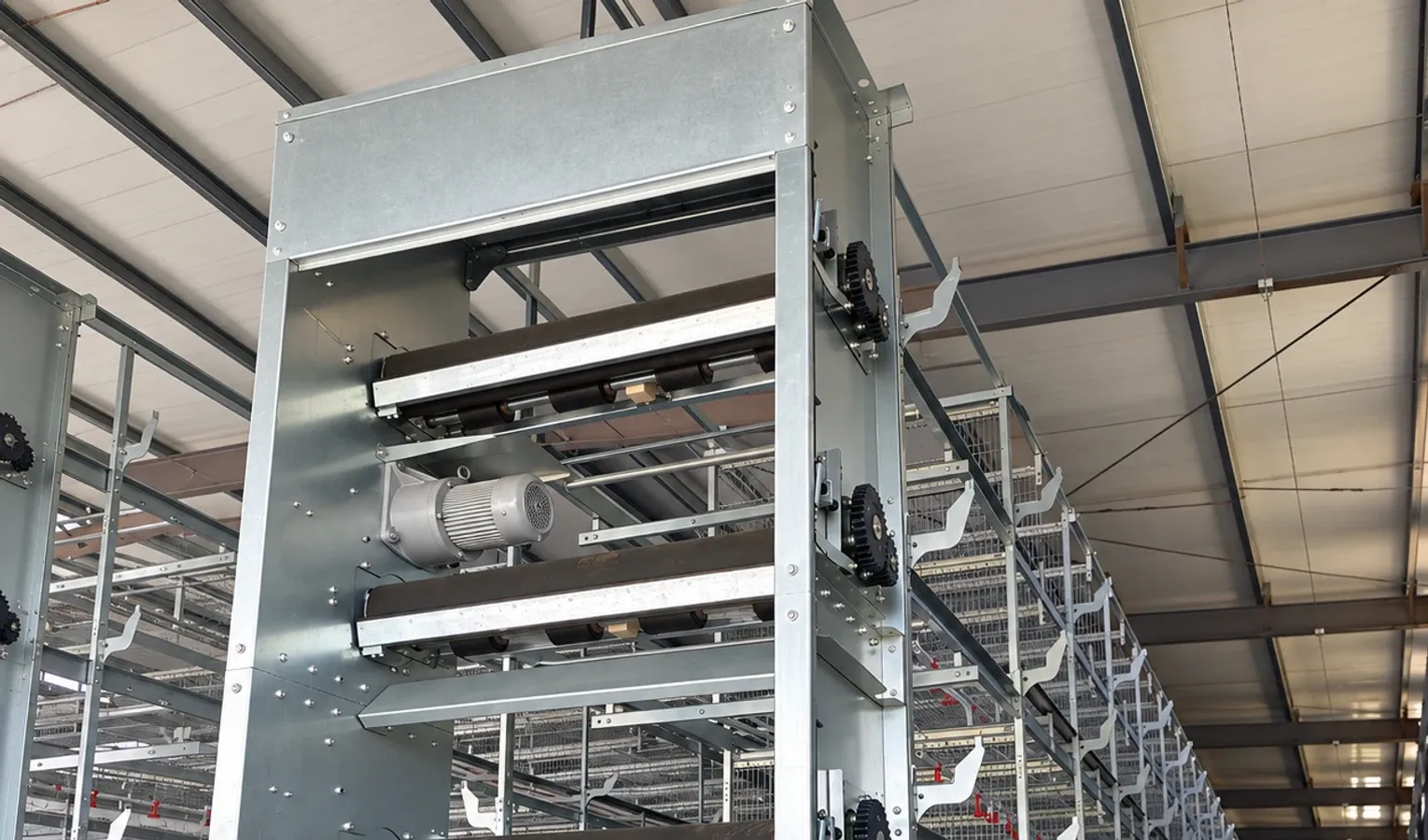
A floor-raising system - feeders, drinkers, brooding and ventilation - runs roughly $3-5 per bird of capacity plus the house itself. A pull-out slatted broiler cage system costs more per bird ($6-9) but doubles the density of the same house and cuts litter management entirely, which is why retrofits from floor to cage are the most common upgrade we ship.
Feed is the business
Feed is 65-70% of production cost. Lock a written price and supply schedule with a feed mill before the first chicks arrive; a two-week feed interruption at week four destroys the batch. Above roughly 20,000 birds per cycle, a small on-farm feed mill starts paying for itself.
Sell the birds before you raise them
Line up the buyer first: live-bird traders, a processor contract, or contract farming with an integrator. Contract farming pays a thinner margin but removes price risk - a sensible trade for the first year. The open market pays better in good months and can be brutal in oversupply.
The three places new farms fail
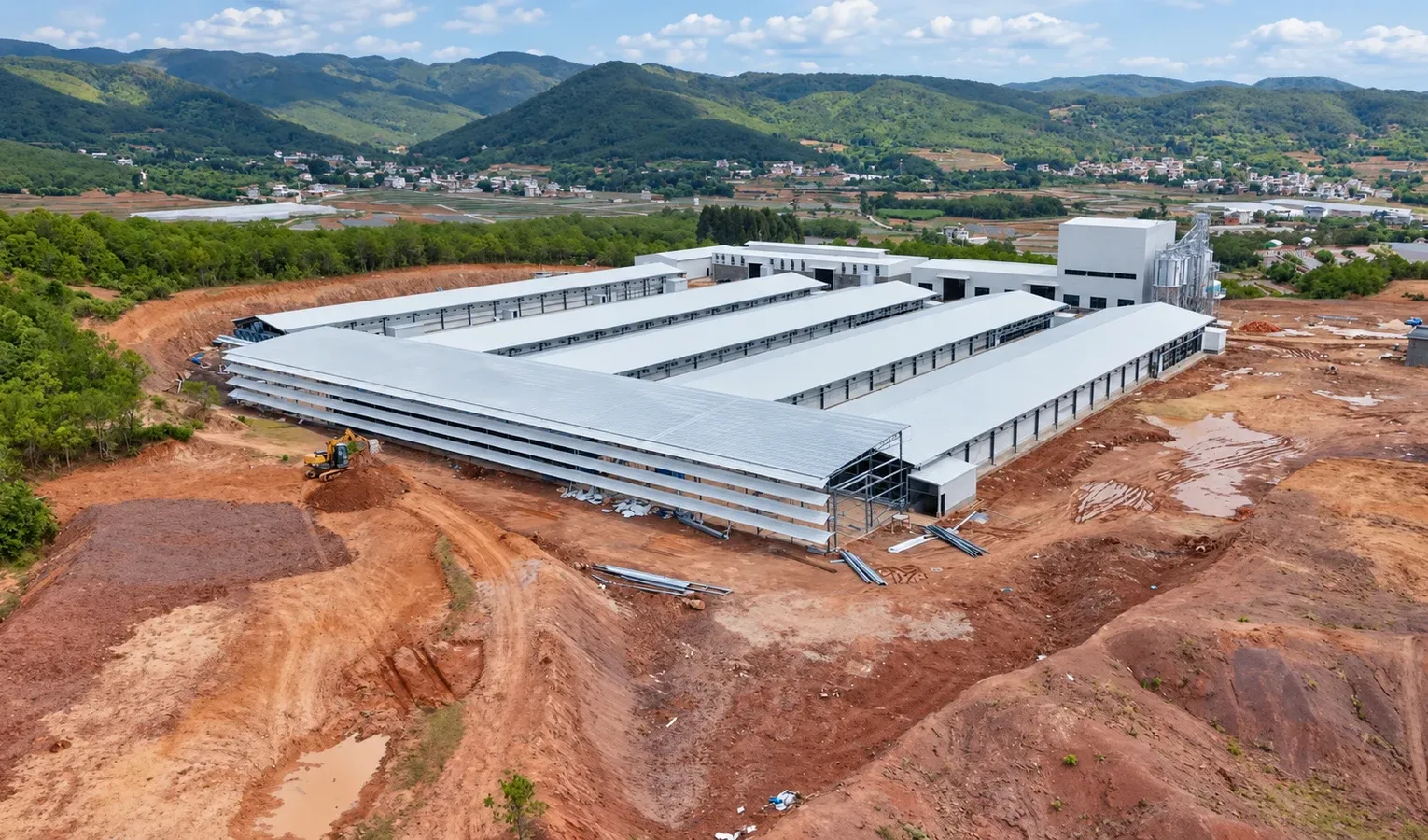
- Chick quality - cheap day-olds from an unverified hatchery cost more in mortality than they save in price
- Heat and ventilation - broilers in the last two weeks generate enormous heat; undersized fans kill the heaviest, most valuable birds first
- No buyer at harvest - every extra day past target weight burns feed for almost no added value
Tell us your target birds per cycle and your country, and we will send a configuration and itemized quote for either floor or cage raising - sized to the house you actually plan to build.
Translate the business plan into a house brief
Describe the bird type, placement plan, expected marketing route and building available for production. Then identify the equipment and site work needed to carry out that plan. The supplier can work from a concrete brief; a request for the cheapest broiler equipment leaves too many important assumptions unstated.
Map the full operating cycle
List placement preparation, normal checks, feed delivery, flock removal, cleaning and preparation for the next placement. Identify who performs each activity and what equipment is required. This helps distinguish equipment that is continuously used from equipment needed at specific points. It also exposes access or scheduling conflicts before construction and purchasing are fixed.
Obtain local figures for the financial model
Use current quotations and local operating information for the actual location. Keep the source and date beside each assumption. Transport, utilities and site work can differ substantially between projects, so a published example is not a project budget. Have the plan reviewed by a qualified adviser who understands the local business conditions.
Check readiness before stocking
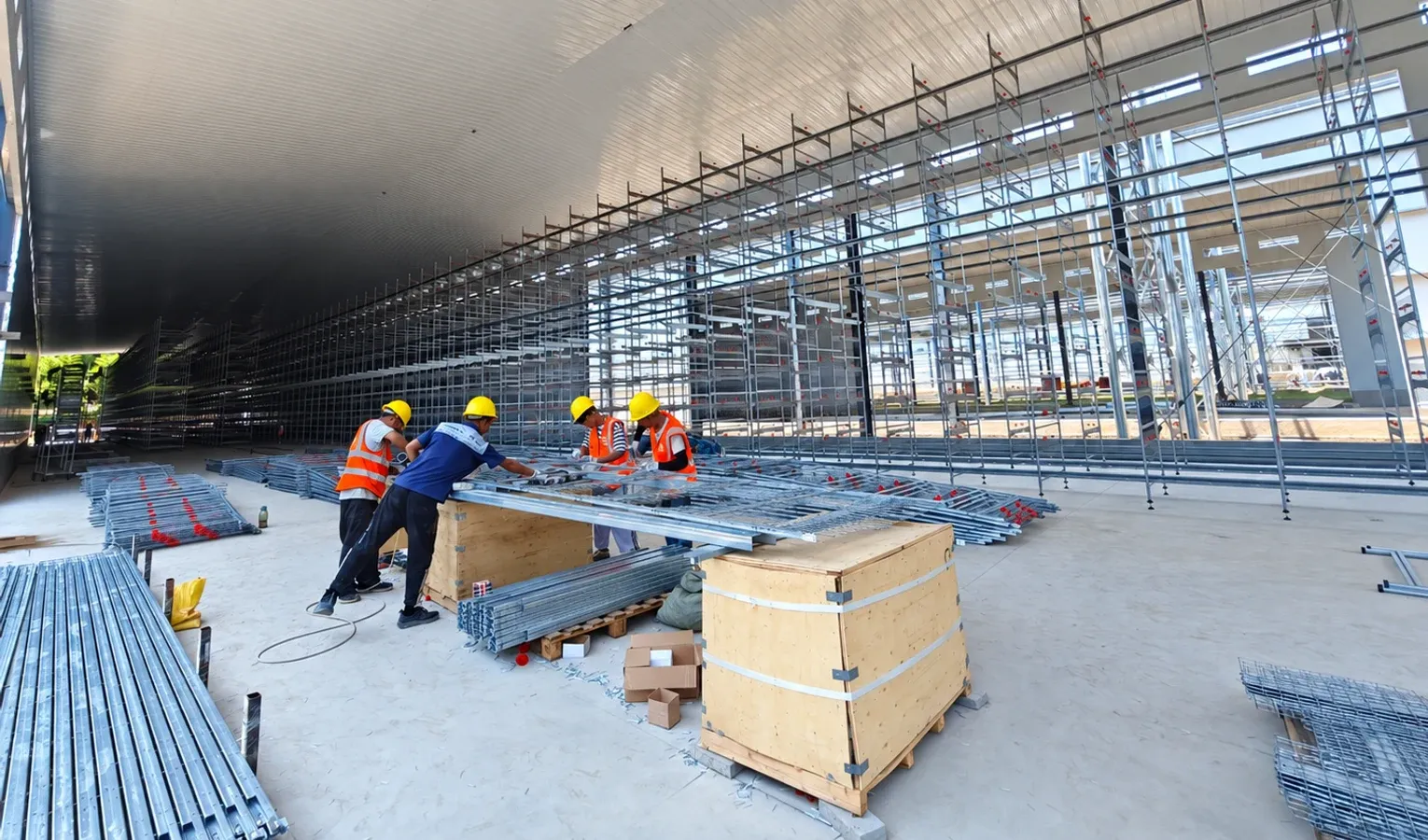
The building, utilities and equipment should be commissioned before birds arrive. Confirm the operation of feeding, drinking, environmental controls and agreed backup arrangements. Ensure operators have received training and know how to report a fault. Keep the commissioning record and unresolved items in the same file as the approved layout.
Review the first cycle without hiding changes
Compare the actual operating record with the plan and identify where assumptions were wrong. Separate equipment faults from procurement, staffing or market issues. Document the adjustment before expanding the project. This creates a more reliable basis for the next house than treating an illustrative business-plan calculation as a performance promise.
Visual checklist
Related reading
Layers or Broilers: Choosing a Poultry Business Model
Poultry Farm Capacity: House and Equipment Constraints