The first question is usually “How much will a farm for 10,000 layers cost?” A cage supplier can price the equipment, but that is only one part of the money you need before the farm can sell eggs. Land, construction, pullets and the gap between paying bills and collecting egg revenue belong in the same decision.
A useful budget starts with four separate totals. Keep them separate until you know what each includes. Otherwise, an attractive equipment offer can become an unaffordable project halfway through installation.
1. Price the equipment against an actual house drawing
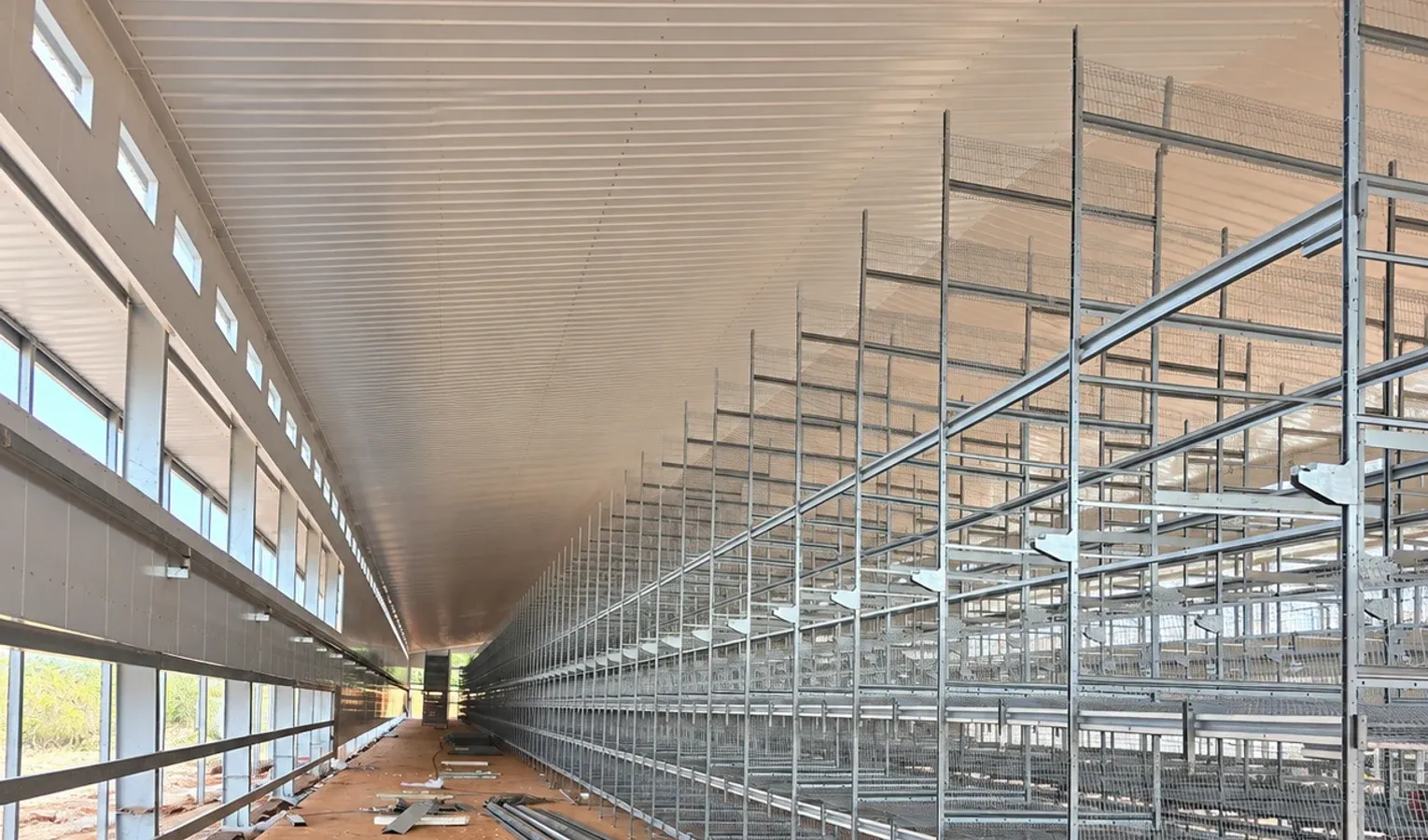
Ask for a drawing that shows the usable bird capacity, cage rows, tiers, service aisles and row-end equipment. “For 10,000 birds” is not enough to compare two offers: one may include automatic egg collection while the other expects staff to collect eggs manually.
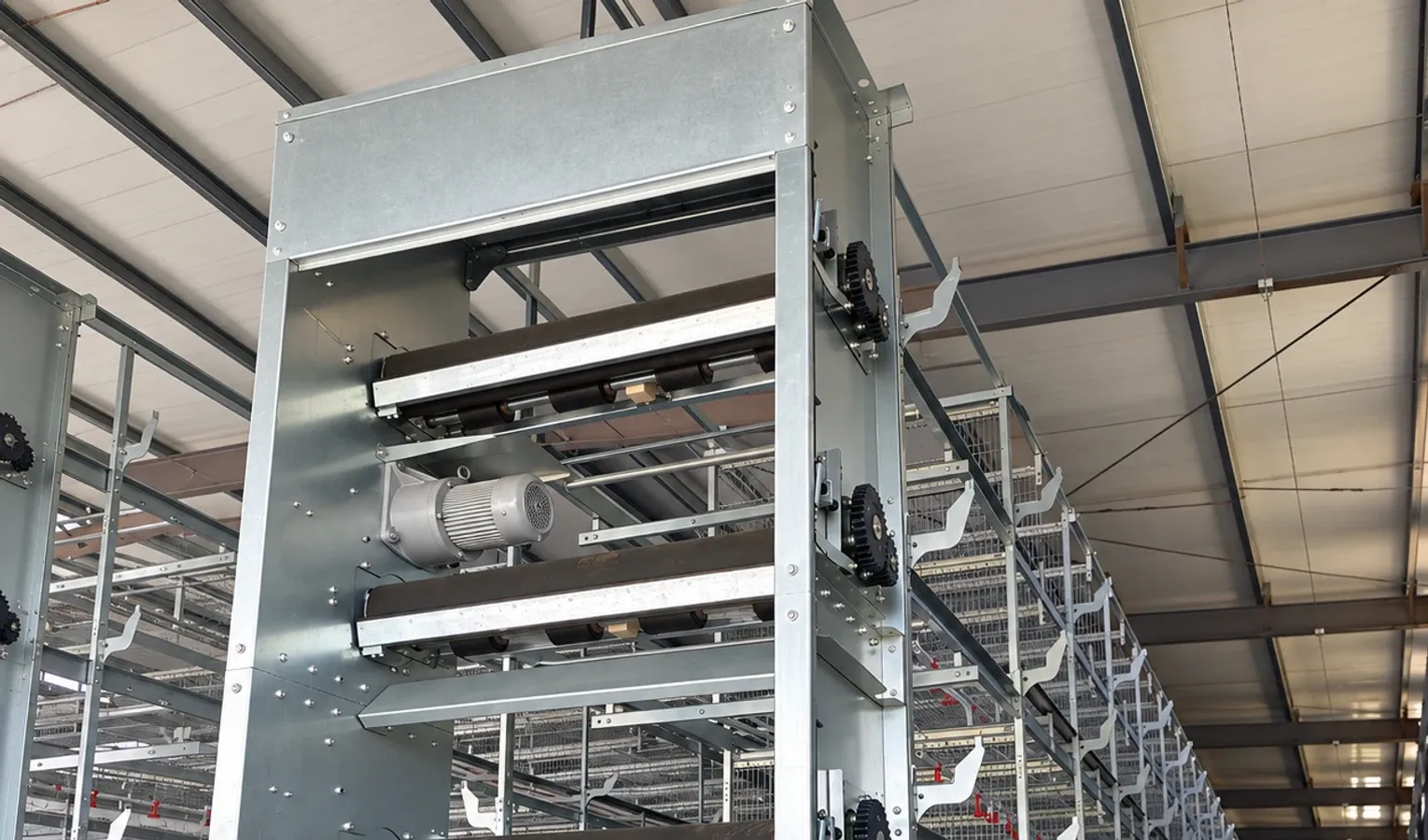
- Housing: cages, supports, troughs, cage fronts and the stated coating specification.
- Feed and water: storage and feed transfer, in-house distribution, drinker lines, regulators and the agreed treatment equipment.
- Egg and manure handling: row equipment, cross conveyors and the point where each supplier's work ends.
- Environment and electrical work: fans, inlets or pads, lighting, controller, alarms and the agreed backup arrangements.
- Completion: freight, installation, commissioning, training and the initial spare-parts package, with exclusions shown separately.
Use the layer cage cost breakdown to check that list. A price per bird becomes useful only after the scope and usable capacity match.
2. Get local prices for the building and connections
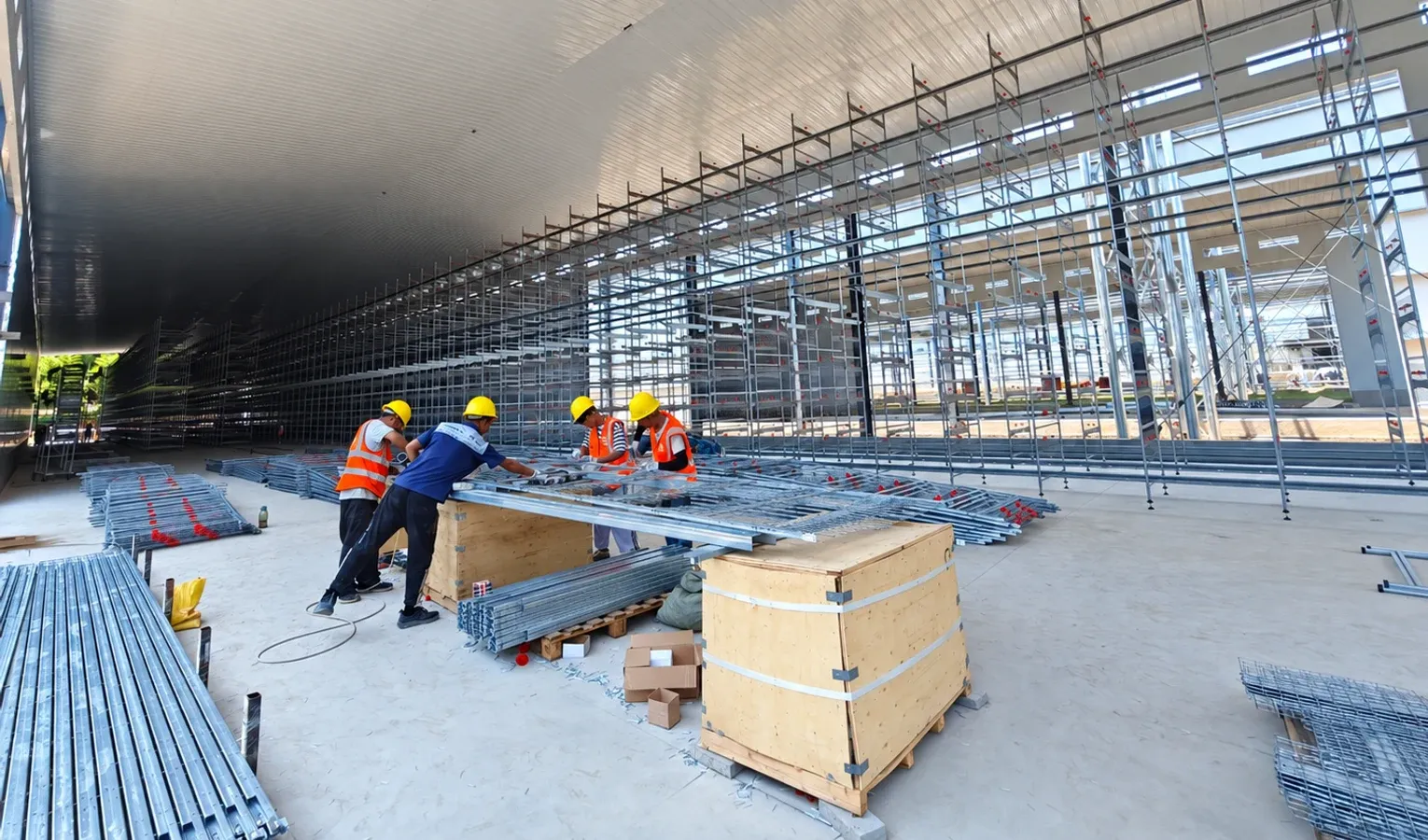
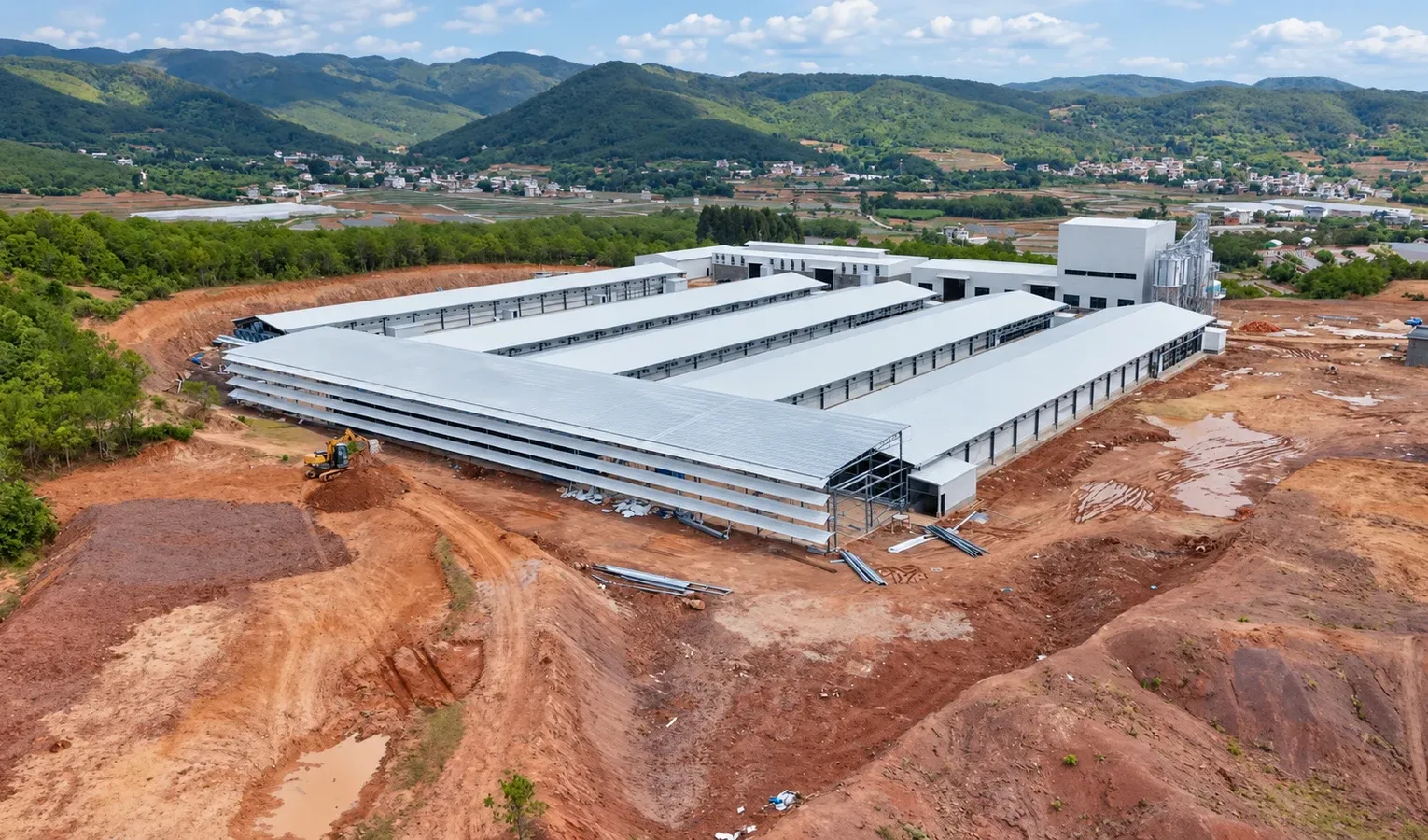
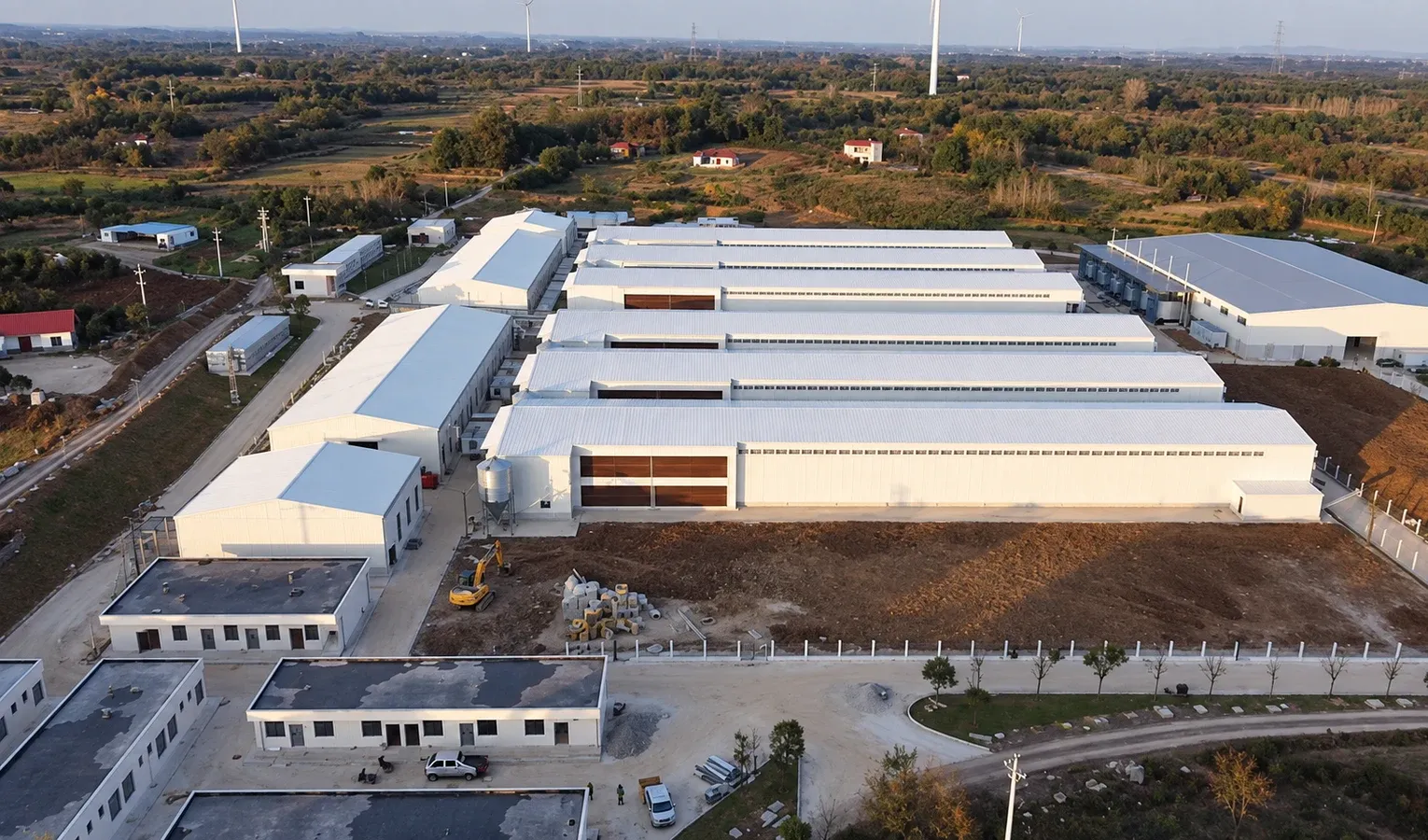
The building estimate needs the equipment layout, not just a target flock size. Send the same drawing to the building contractor and equipment supplier. Check foundations, floor levels, door access, roof clearance, water storage, electrical supply and the manure discharge position before either price is treated as final.
Keep land separate. Add drainage, access roads and utility connections where they are required. Do not use the advertised price of a steel frame as the cost of a finished poultry house.
3. Put the birds and working cash on a calendar
Buying ready-to-lay pullets and rearing day-old chicks create different cash schedules. Use the actual flock supply arrangement. Enter the payment date for the birds, feed deliveries, staff, utilities, packaging and transport, then enter when customers are expected to pay for eggs.
The amount of working cash needed is driven by the deepest cumulative shortfall, not simply by one month's expenses. Penn State's enterprise-budgeting guide separates operating and ownership costs. Its sample flock prices are not quotations for a commercial 10,000-layer project.
A small cash-gap example
Suppose, purely for illustrating the calculation, that operating payments are 15,000 currency units in month one and 15,000 in month two. Customer receipts are 5,000 and 11,000 respectively. The cash gaps are 10,000 and 4,000, so the cumulative shortfall is 14,000 at the end of month two. That is before any reserve and before construction or bird purchases omitted from those operating figures.
These are invented accounting inputs, not market prices or a production forecast. Replace them with your local quotations and payment dates. Extend the calendar far enough to see whether the balance actually recovers.
4. Test the assumptions that could stop the project
Run the budget again with your own plausible downside assumptions: a later first customer payment, a higher feed bill, additional building work or a delayed installation. Keep each change visible. A farm that only works when every assumption is favourable needs a stronger plan before equipment is ordered.
There is no responsible universal payback period for “10,000 layers.” The result depends on saleable eggs, local egg prices, feed costs, financing and the full investment. Have the completed cash plan checked by someone familiar with poultry businesses in your market.
What to send for an equipment budget
Send the destination, bird type, target flock, usable house dimensions or proposed site drawing, power supply and the automation you want. Include whether the building already exists. Start with the layer cage range, then request an itemised proposal tied to those inputs. Keep the equipment quotation and the farm business budget as two documents that reconcile to each other.