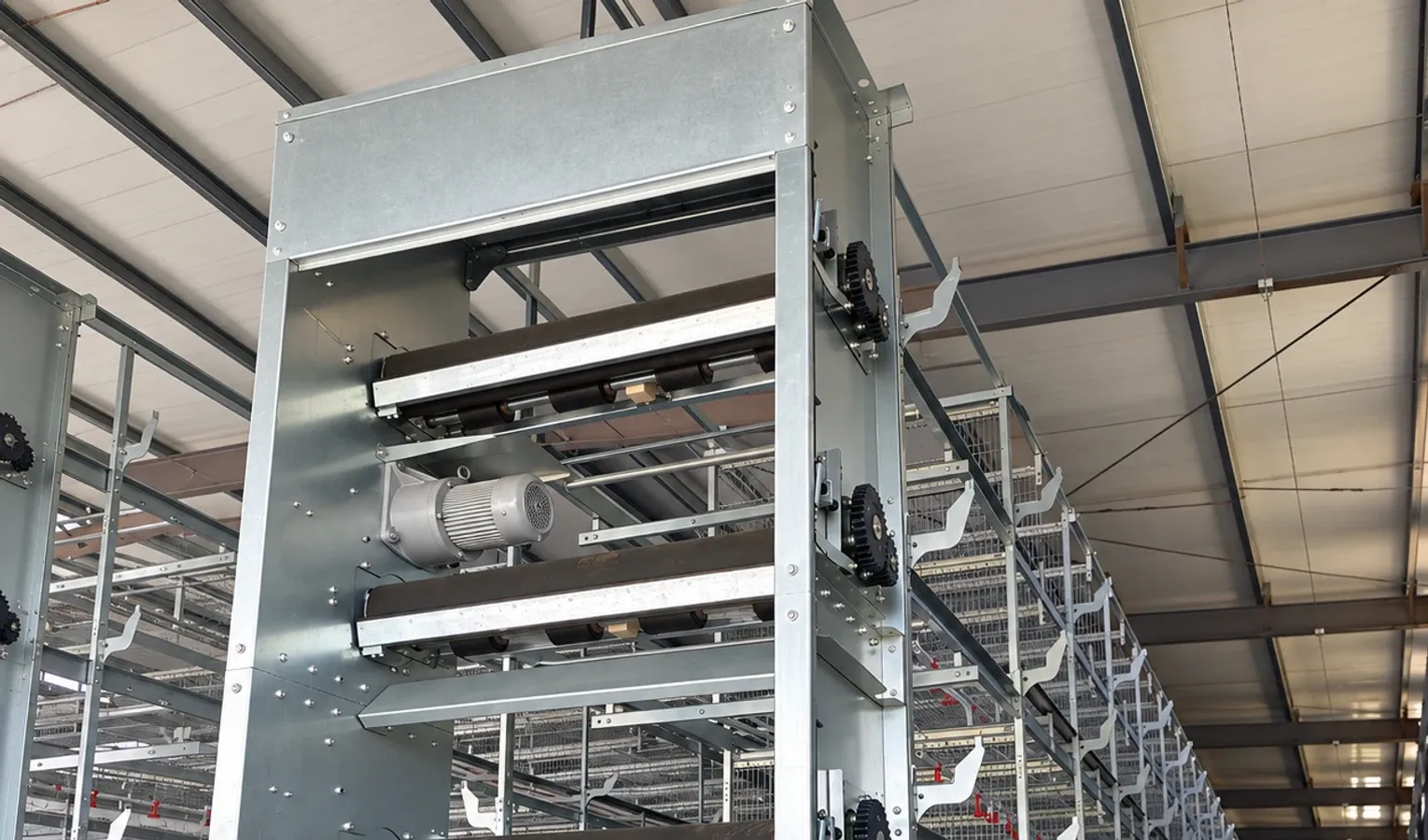
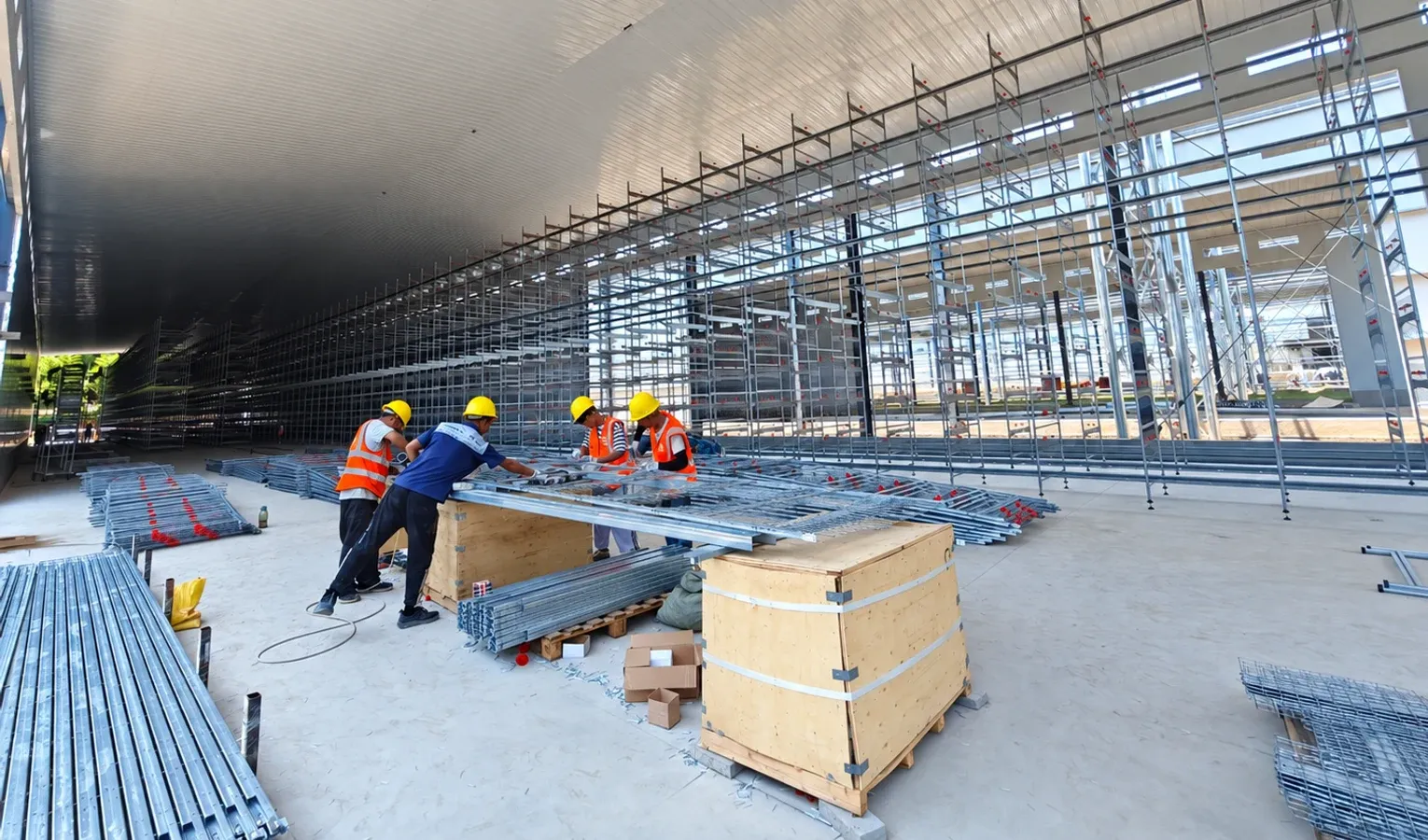
The price of the cage frame is not the price of a working layer house. Yet both figures are often described as a “layer cage system price.” Before comparing them, decide exactly where the equipment package starts and ends.
There is no fixed percentage that manure removal, egg collection or the cage frames must contribute to every project. A different row length, transfer route or automation package changes the split. Use the actual bill of quantities instead of judging a supplier against a percentage from someone else's quotation.
Start with six equipment groups
- Cage hardware: mesh, frames, supports, doors and troughs, with the agreed dimensions and coating.
- Feeding: in-house distribution plus any silo, transfer auger, weighing or control equipment included in the offer.
- Drinking: lines, nipples, regulators, filters and the exact boundary with the farm's water supply.
- Egg collection: row belts or collection arrangement, row-end machines and transfer to the agreed egg-room location.
- Manure handling: the tier or row equipment, cross conveyor and the discharge point outside the house.
- House systems: ventilation, cooling, lighting, controls, sensors and alarms that form part of the supplier's package.
These groups are a way to organise an offer, not a rule that one supplier must provide everything. An item supplied by a local contractor still needs an owner and a place in the project budget.
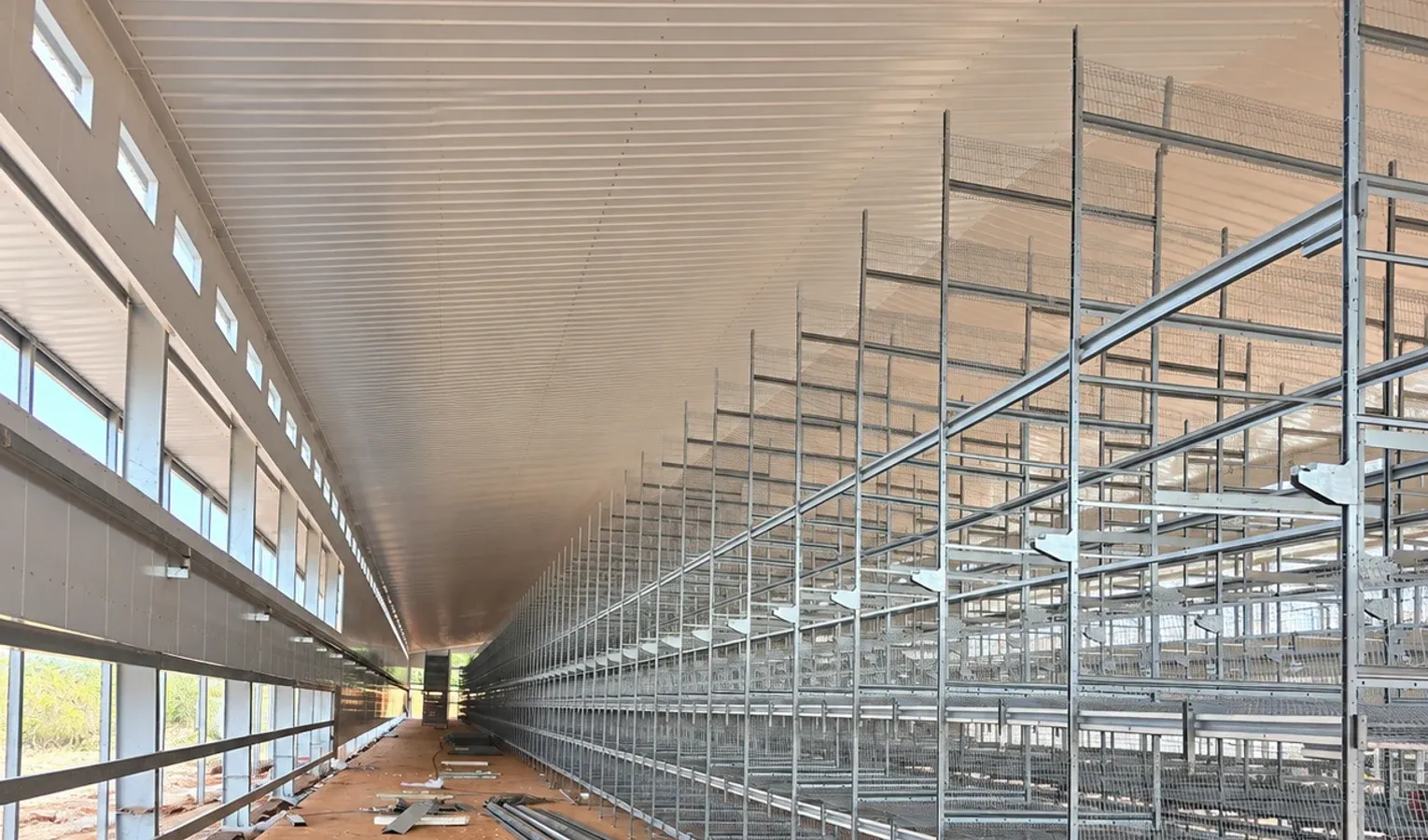
The expensive omissions are often between two machines
Consider egg handling. A row-end collector may be priced while the conveyor to the egg room is not. Both machines can be present in a catalogue photograph without both being included in your order. On the drawing, follow the egg route until it reaches the point the farm staff will take over.
Do the same for manure, feed and water. A manure belt ending at the wall does not explain how manure reaches storage. A controller does not tell you who supplies the cables, switchgear or installation work. Give every connection an agreed endpoint.
A like-for-like comparison in three lines
Take an invented example using currency units, not current equipment prices. Offer A totals 80,000 and excludes a cross conveyor and installation. Obtain written prices of 6,000 and 9,000 for those missing items. Its comparable total becomes 95,000.
Offer B totals 94,000 and includes those same items. If all other specifications, terms and exclusions match, B is 1,000 lower on that defined scope. The original 14,000 gap between the headline totals was not the decision you needed to make.
If one missing item is still unpriced, the comparison is incomplete. Do not enter zero. Mark it as an allowance with a named source, or keep the quotation unresolved until a price is available.
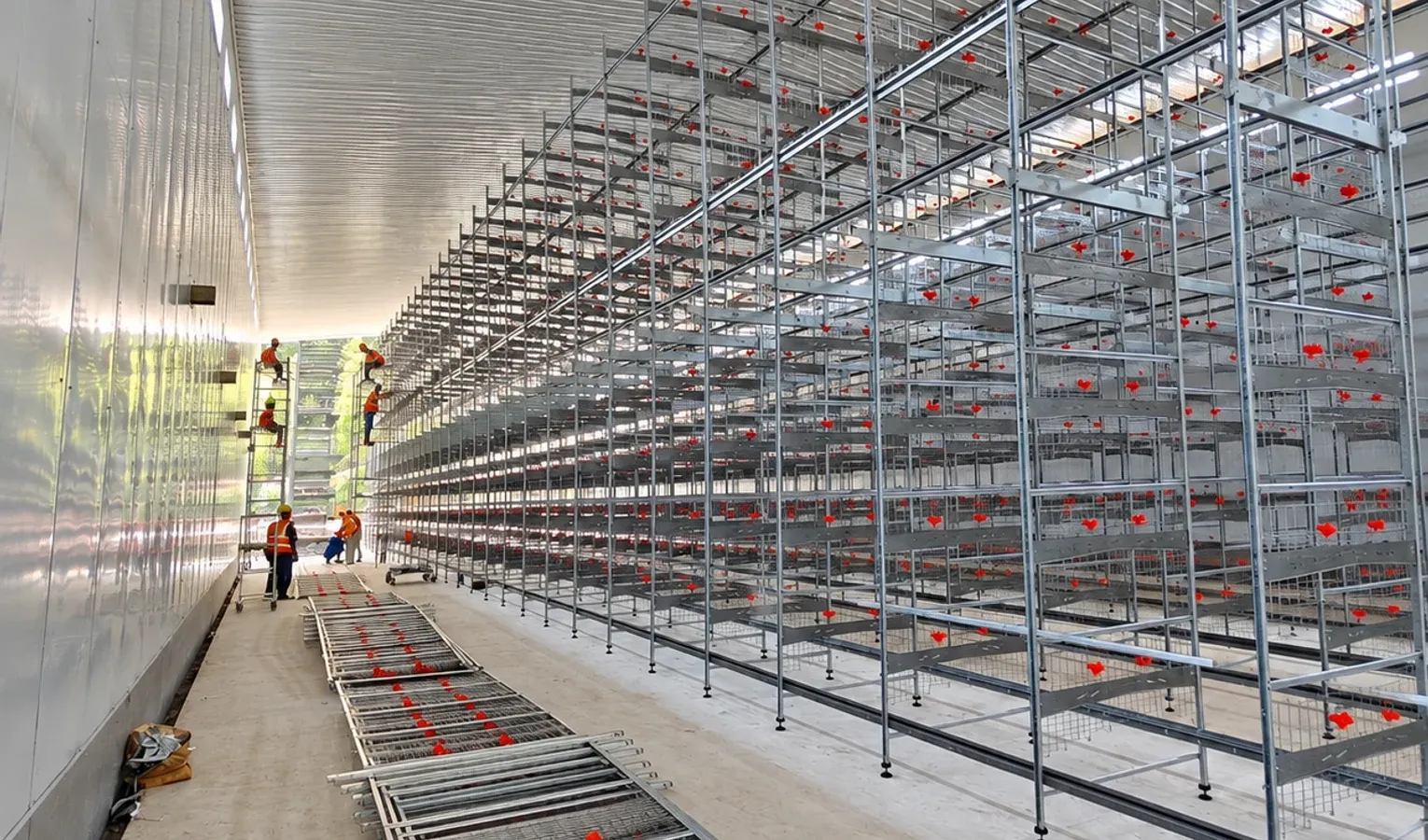
When a per-bird price helps
Divide the comparable equipment total by the approved usable capacity of its layout. Keep the scope next to the result: “equipment only,” “delivered,” and “installed” are not interchangeable. Use the same denominator and cost boundary for both offers.
For a whole-farm investment decision, add construction, utilities, birds and operating cash separately. The 10,000-layer budget guide shows how to keep those amounts from being lost inside an equipment figure.
Options should explain a change in the work
An automatic egg conveyor, for example, changes where eggs are handled and which tasks remain with staff. Ask what happens if an option is removed: who does the work, what equipment remains necessary and whether adding it later requires alterations.
Separate genuine alternatives from essential items that were simply omitted. Then compare the options you can actually operate. A lower purchase price is useful only if the resulting system still meets the brief.
The cost sheet to keep with your order
For each line, save the quantity, unit, specification, supplier, price source, exclusions and drawing revision. Keep freight and local site work identifiable. This makes a later change traceable: if the house grows by a few sections, you can see which equipment and services must be repriced.
Review the layer cage systems against that sheet. To check commercial terms and delivery responsibilities, continue with how to read the quotation.