A polished catalogue tells you what a poultry equipment supplier wants to sell. The buying decision needs different evidence: can the proposed system fit your house, can its specification be checked, and who will help when a component stops working?
Start with one real project brief and send it to the suppliers you are considering. Their responses to the same constraints are more useful than a collection of unrelated low prices.
Give each supplier the same job to solve
Include bird type and production stage, intended capacity, destination, building dimensions, power and water information, and the automation required. Mark anything still undecided. Ask for a drawing and an itemised offer against that brief.
Watch how the supplier handles a constraint such as a column in the aisle, a low roof or a manure store away from the house. A useful response explains the proposed arrangement and the work it requires. A larger capacity number without a revised drawing is not an answer.
Establish who makes, supplies and supports each part
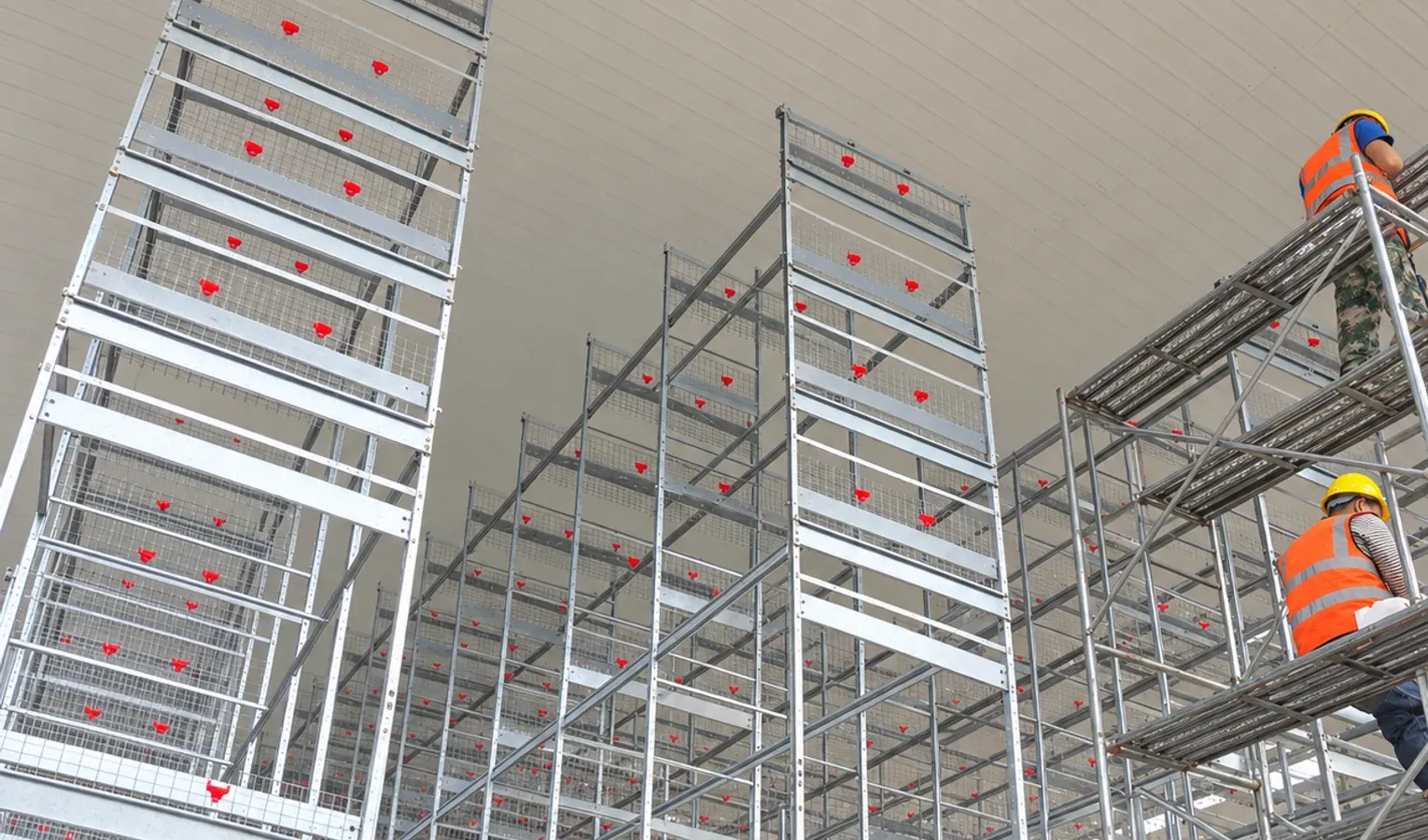
A business may manufacture cage hardware and buy motors or controls from other companies. A distributor may arrange installation locally. Neither arrangement proves good or bad quality by itself; what matters is knowing the contracting party, the component sources and the responsibility for support.
Request evidence appropriate to the purchase: business details, a factory visit or live walkthrough where available, the production scope and traceable inspection documents. Check the name and scope on certificates. A document for a different entity or product should not be treated as evidence for the equipment in your order.
Ask for a reference that matches the difficult part
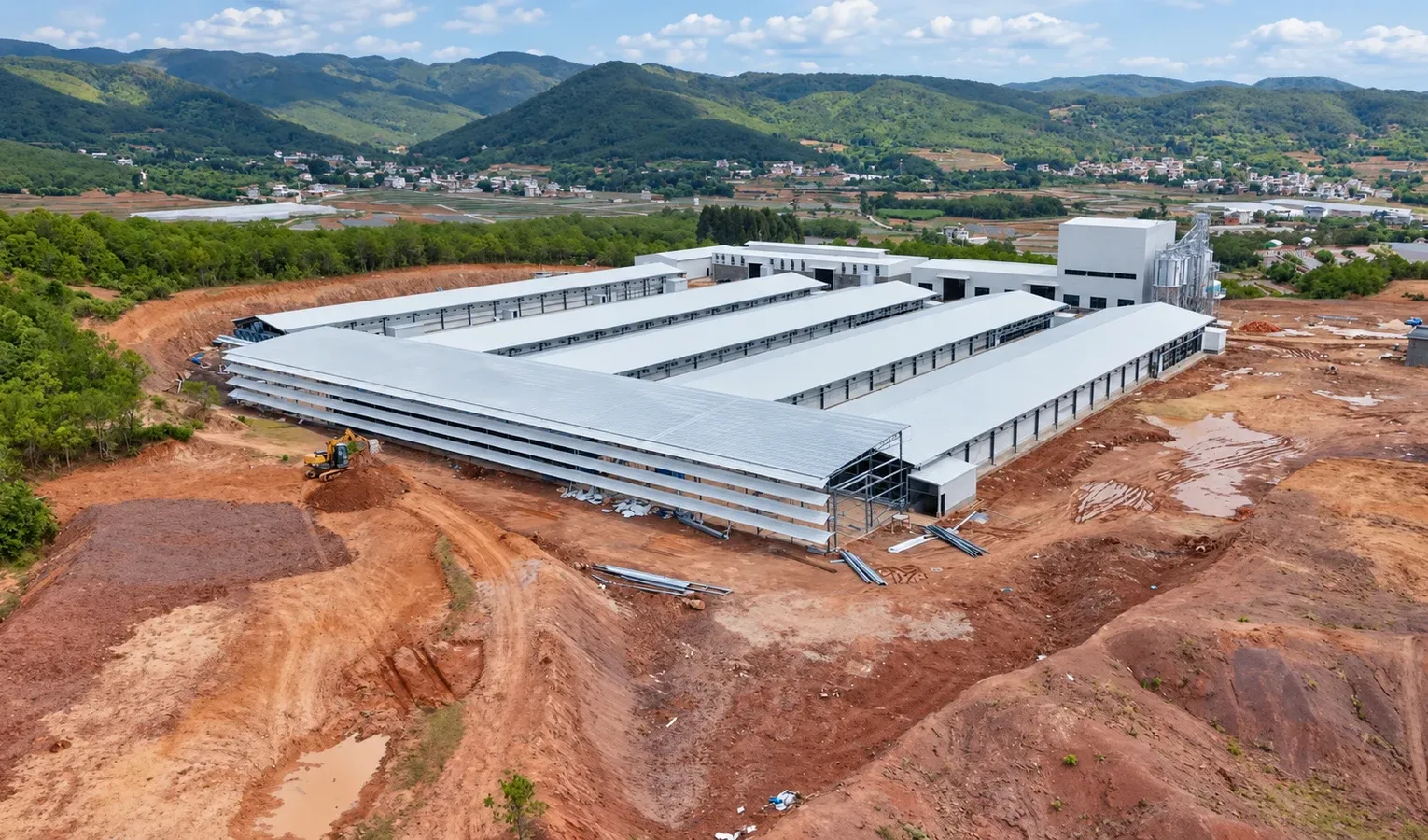
The largest project in a brochure may have little in common with your farm. A more useful reference might share the same equipment model, climate, house constraints or installation arrangement.
Ask what the reference actually demonstrates. Photos can show layout and access, but they do not verify flock performance, service life or customer satisfaction. If a previous operator agrees to speak, ask about installation problems, recurring maintenance and spare-part delivery. Do not ask a supplier to disclose a customer's private contact details without permission.
Make a fault-support request before a real fault happens
Ask for the procedure: what information does the service team need, which channel is used, and what happens if the problem cannot be solved remotely? Request a sample parts list with model and revision identifiers. Confirm which components are available locally and which must be shipped.
A promise of “lifetime service” does not state response arrangements, stock availability or cost. Record the included support, chargeable work, freight responsibility and any coverage limitations. The maintenance guide shows the sort of equipment record that makes a future service request easier to handle.
Agree how the delivered system will be checked
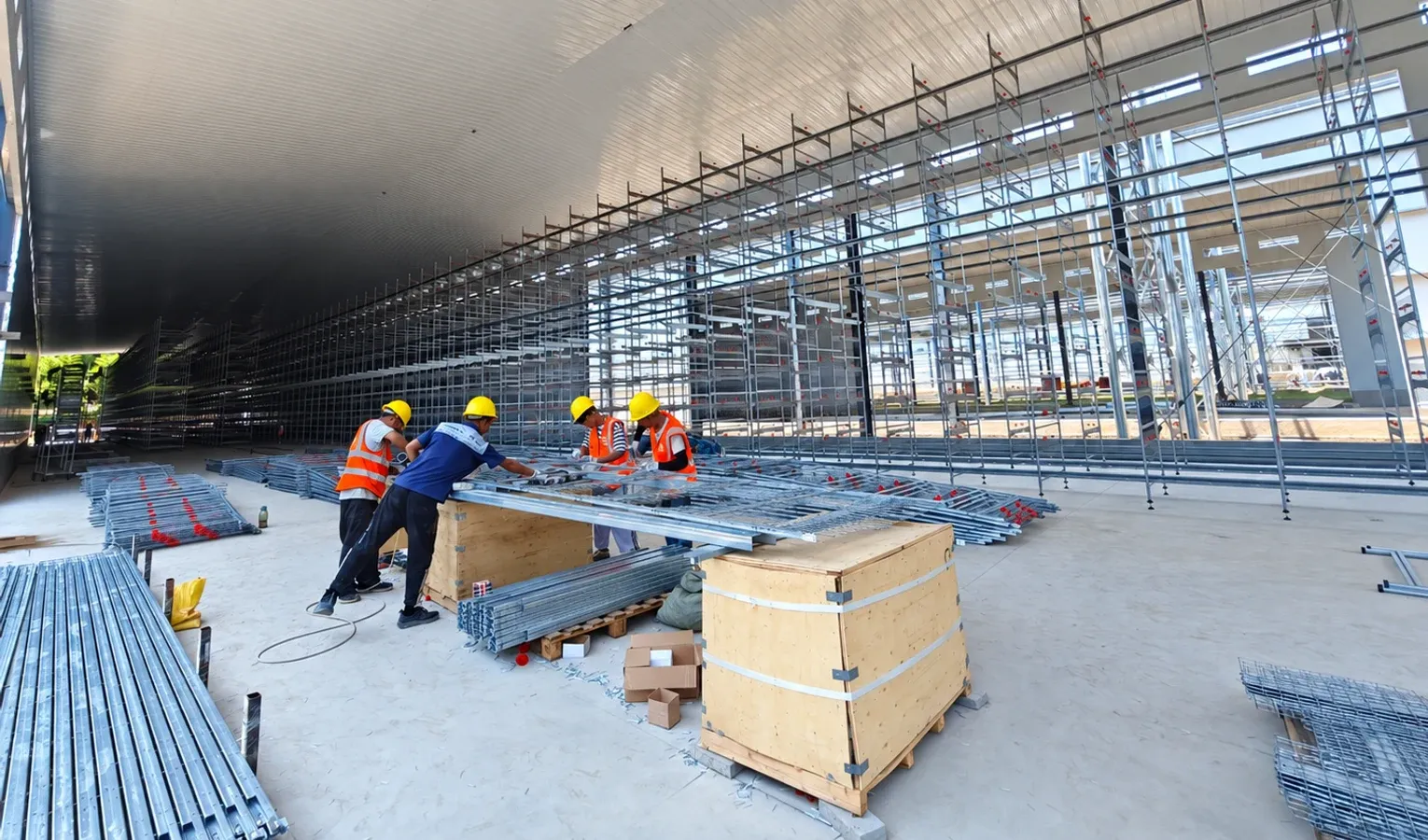
Define the documents and inspections required before shipment and the operational checks after installation. Match them to the actual order: quantities, drawing revision, materials, major functions and interfaces. Decide how deviations will be recorded and closed.
For cage coatings, request a stated specification and an agreed inspection basis instead of accepting “will last 20 years.” Read what coating evidence can tell you before making service-life claims part of the comparison.
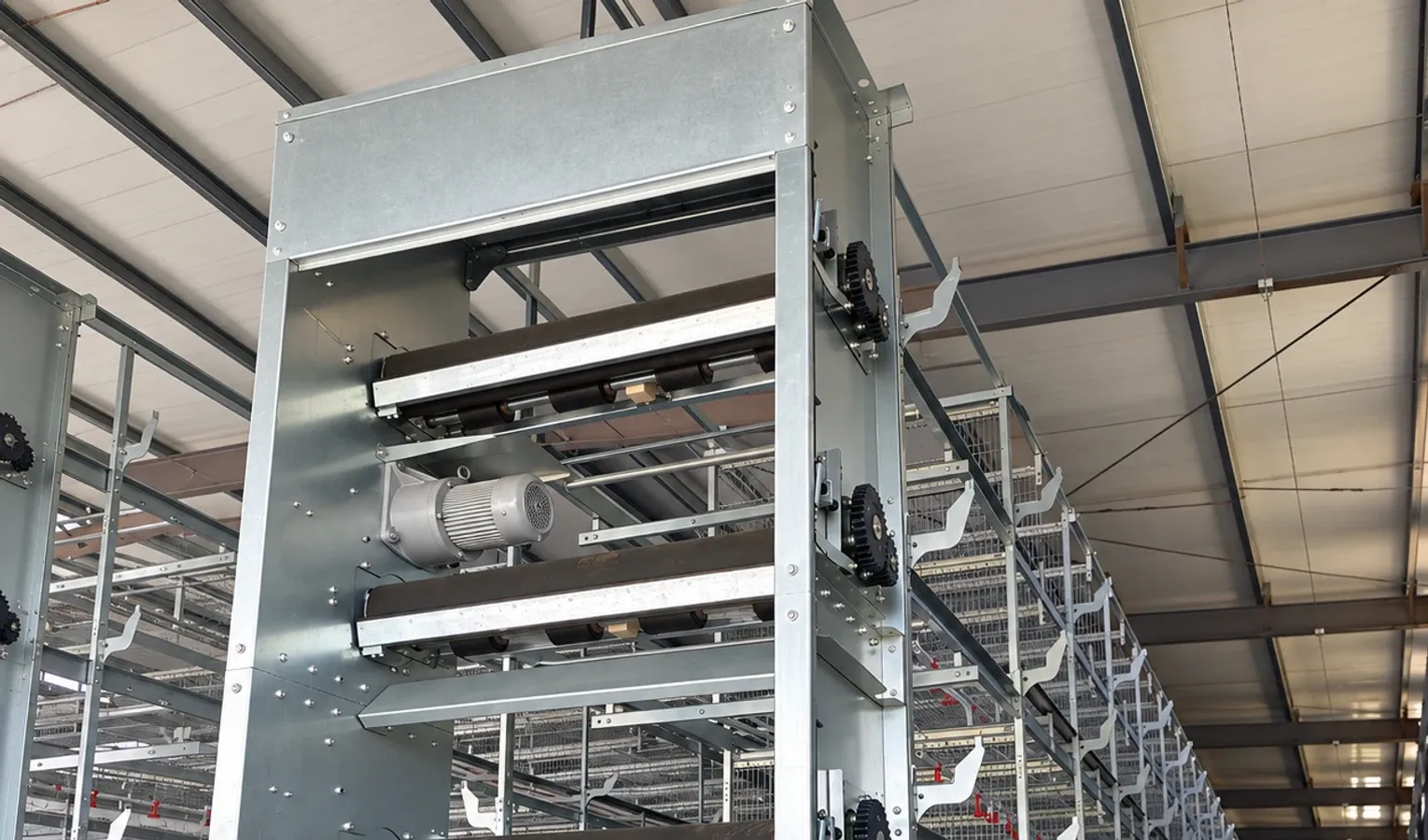
A useful specification can be quite concrete. One equipment quotation in our records identifies the manure belt as 1.2 mm virgin PP and separately specifies the drive assembly and its frame material. That gives the purchaser distinct items to check. It is much more informative than a single line reading “automatic manure removal,” without turning one project's belt thickness into a requirement for every farm.
Leave uncertainty visible when comparing prices
Make a short comparison sheet with four columns: requirement, evidence received, unanswered question and responsible person. Mark a missing answer as missing. Do not turn it into a guessed score just to make a neat supplier ranking.
Price the same scope only after the important questions are resolved. A low price is not proof of poor equipment, and a high price is not proof of good support. The decision should rest on the documented offer and the team's ability to deliver it.
If you are reviewing Shouhui equipment, send the same project brief you use for other suppliers. Ask for the layout, quantities and service scope needed for your comparison, then work through the quotation checklist before agreeing the order.