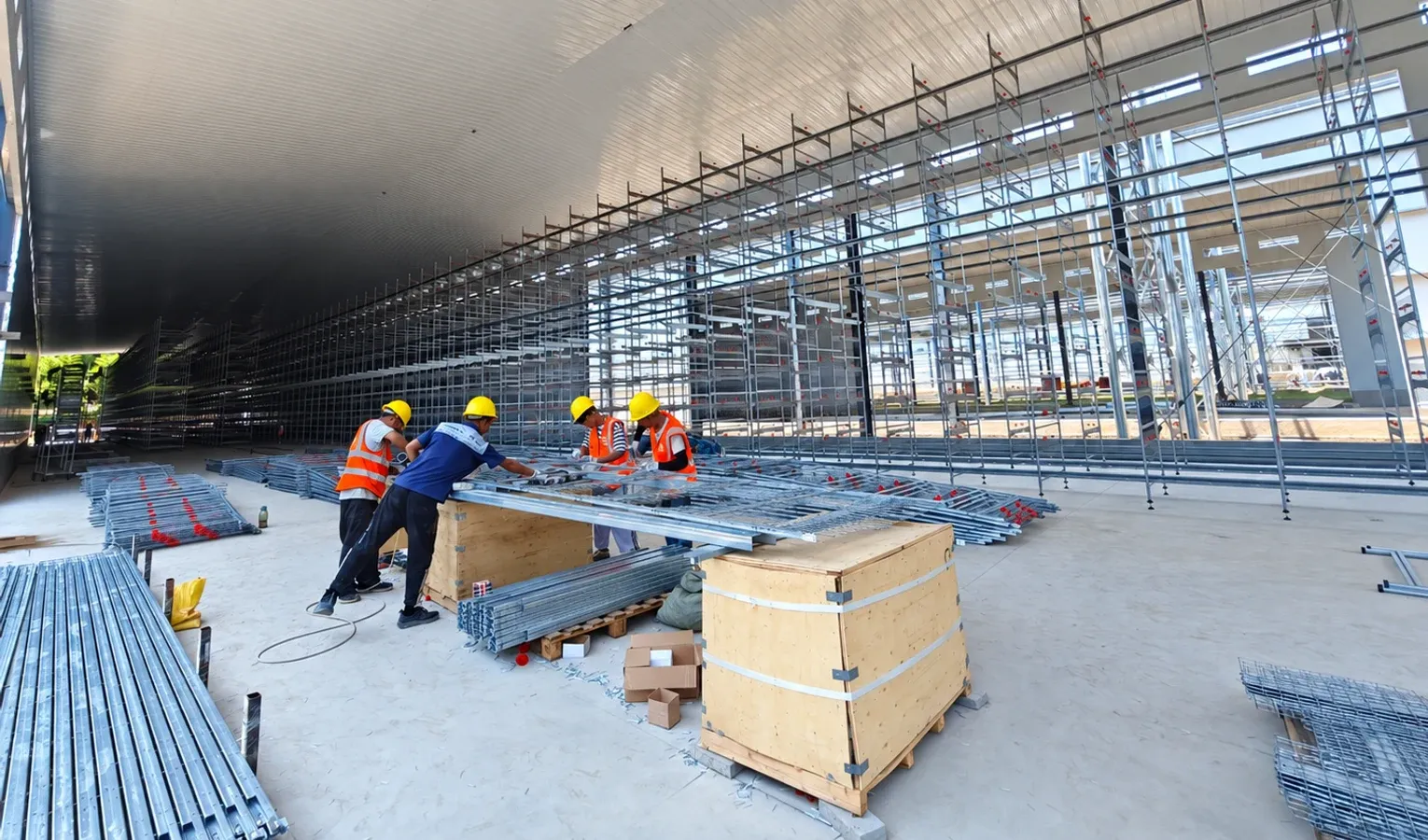
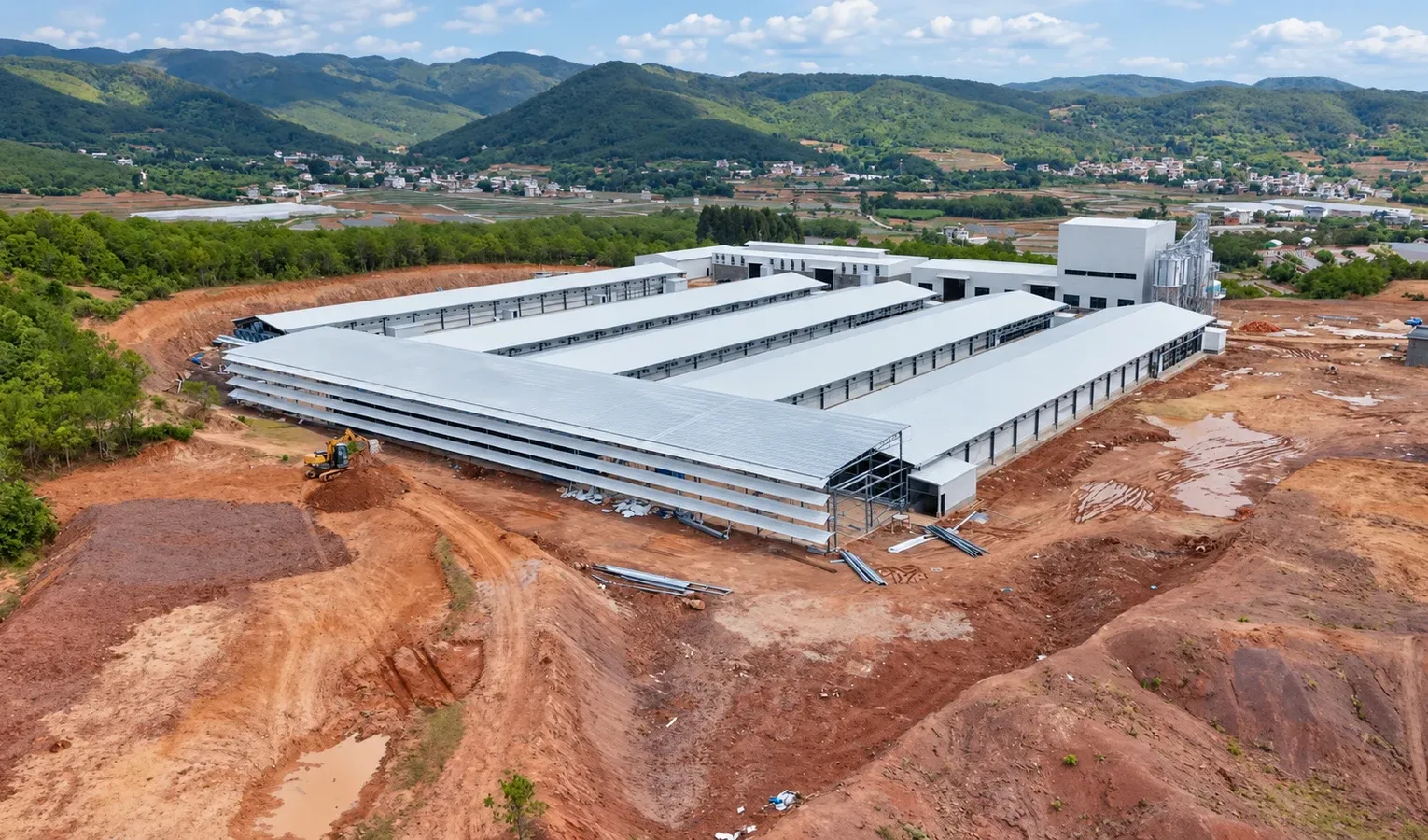
If rust appears on chicken cage equipment, “the galvanizing was cheap” is an explanation to investigate, not a diagnosis. Start with the affected part. Is it cage wire, a weld, a cut edge, a support or a connection that stays wet? Is the damage local, or is the same pattern appearing across the house?
The answer changes what should be checked. A coating problem, physical damage and persistent moisture can require different follow-up. Photographs help document the pattern, but they cannot tell you the remaining coating thickness or prove the original specification.
What does “galvanized” actually tell a buyer?
It tells you that a zinc coating process is involved; on its own, it does not describe the complete specification. Ask which process is used for each component and whether coating occurs before or after fabrication. Do not assume that wire, welded assemblies, sheet parts and fasteners are all treated in the same way.
Batch hot-dip galvanizing forms a bonded coating and commonly produces a different coating structure and thickness from other zinc-coating processes. The American Galvanizers Association explains that distinction in its coating characteristics reference. That reference concerns batch galvanizing; it should not be used to assign one blanket requirement to every thin-wire or sheet component in a poultry system.

Shiny or dull is not an acceptance test
A bright cage can look reassuring in a catalogue, and a dull part can look disappointing. Neither appearance establishes its corrosion performance. Hot-dip galvanized surfaces themselves can appear bright, matte, mottled or spangled depending on processing and material factors, as the AGA's coating appearance guide explains.
Ask for the applicable coating specification and the inspection record. Visual inspection still matters for damage, fit and finish, but it should not be used as a substitute for the measurements required by the agreed specification.
The coating questions worth putting in a quotation
- Which component does the requirement cover, and what material is underneath the coating?
- What coating process and applicable specification are being supplied?
- Is the stated amount a thickness or a coating mass, and what units are used?
- What sampling and measurement method establishes conformity for that part?
- How are welds, cut edges, transport damage and permitted repairs addressed?
The AGA's thickness and weight inspection guidance describes measurement approaches for hot-dip galvanized steel. The method has to suit the component. A casual reading from an unsuitable gauge on thin wire is not a sound basis for accepting or rejecting a shipment.
Keep the answers with the drawing and purchase order. “Extra-thick zinc” without units, test conditions and an acceptance basis gives the buyer little to verify later.
Two numbers in one specification that mean different things
One manure-removal assembly in our quotation records lists a 3 mm zinc-aluminium-magnesium steel panel with a coating designation of 275 g/m². The 3 mm figure describes the panel thickness; 275 g/m² describes coating mass per area. Neither number is the cage-wire diameter. Before comparing it with a different offer, confirm the coating designation and whether the stated mass refers to the combined coating on both faces. The quote line alone should not be expanded into a claim about every component in the house.
Investigating corrosion already in a house
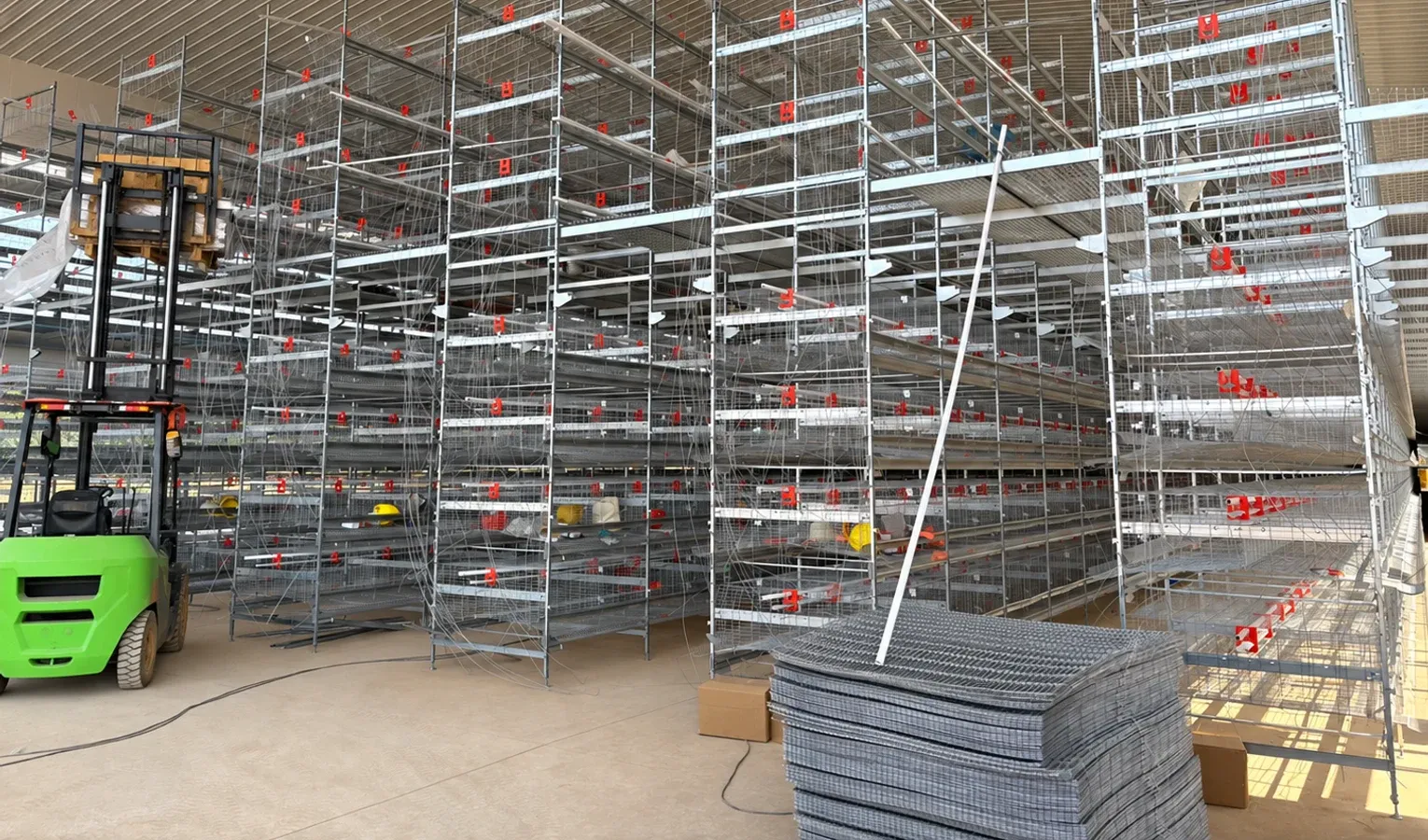
Record when the mark was first noticed and whether it is spreading. Photograph both the close detail and the surrounding location. Compare the part with similar parts in drier or less exposed positions. Note leaks, accumulated material, abrasion and recent cleaning or maintenance work.
Send that record, the model and any original inspection documents to the supplier or a competent coating specialist. Ask what assessment is needed and whether the part can remain in service. Damaged structural parts or sharp surfaces in contact with birds need their own prompt assessment; do not assume a surface treatment will restore a weakened component.
Avoid experimenting with strong cleaning products or aggressive abrasion to improve the appearance. The cleaning and repair method must be compatible with the installed equipment and its intended use.
Can hot-dip cages be promised to last 20 years?
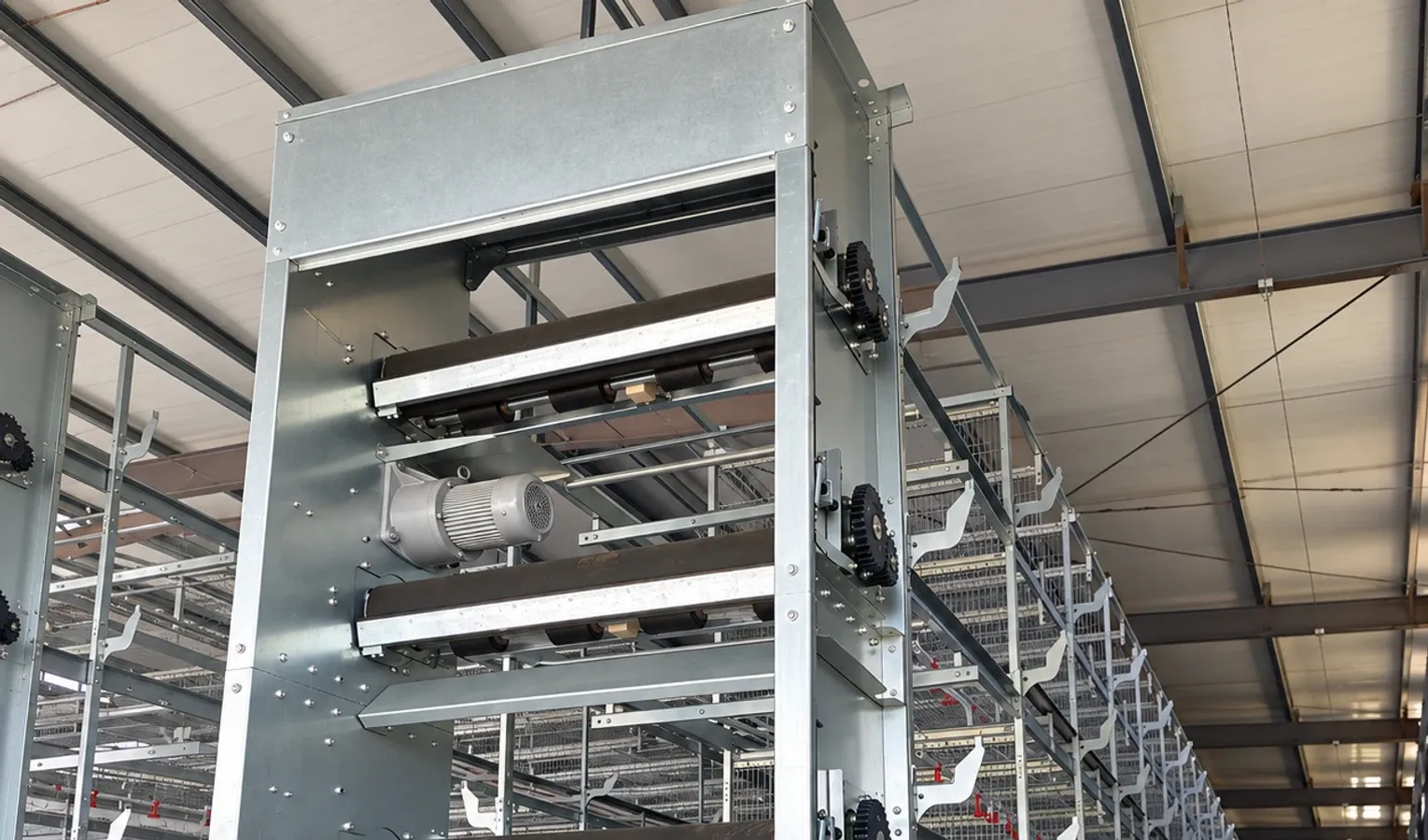
A coating name does not support a universal lifespan claim. The AGA's discussion of coating thickness and service life makes clear that exposure conditions affect performance. Atmospheric examples also do not establish the life of a particular part inside a particular poultry house.
For a purchase, compare documented specifications and component-specific warranty conditions. For an existing installation, build a record of actual condition and repairs. Both are more useful than treating “three years” or “twenty years” as a property of a word on a quotation.
The quotation checklist shows how to record the material requirements. The maintenance guide covers the observations and records to keep after installation.