At a glance. Confirm the buyer's housing requirements, then compare bird movement, daily management, building layout and project costs before selecting a system.
Battery cages maximize bird density and egg output per square meter, while cage-free aviary systems answer growing welfare demand in certain markets. The right choice depends less on trend and more on where you sell.
This article compares capital cost, output, labor, and market acceptance across regions, so first-time investors can pick the system that actually fits their customers.
Confirm the market definition first
Battery cages, enriched housing and cage-free systems describe different arrangements. The wording used by an egg buyer can be more specific than a supplier's product category. Obtain the purchaser's written housing requirements, including any certification expectations, before selecting equipment. Do not assume that the presence of a perch or nest automatically qualifies a system for a particular label.
Plan the building around bird movement
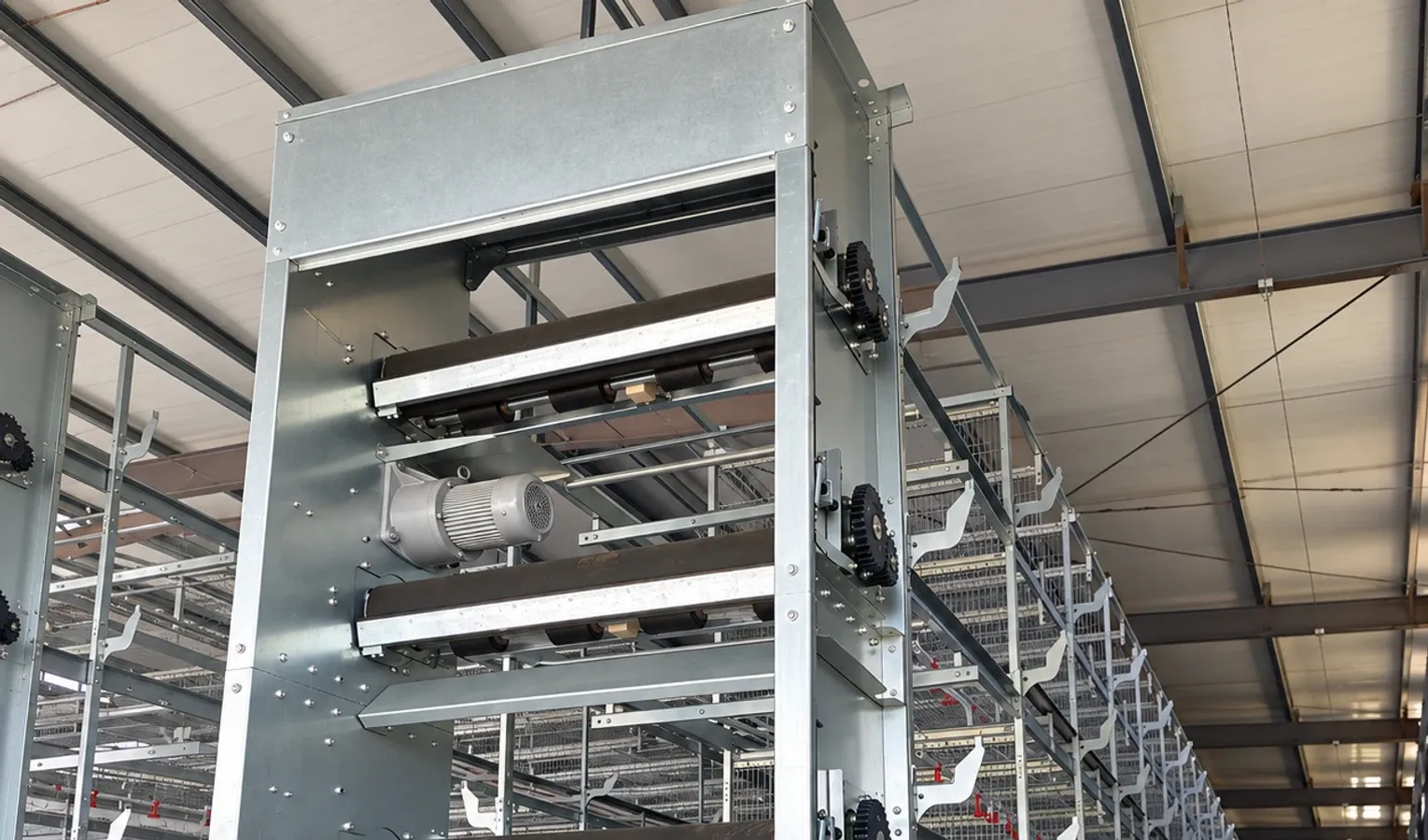
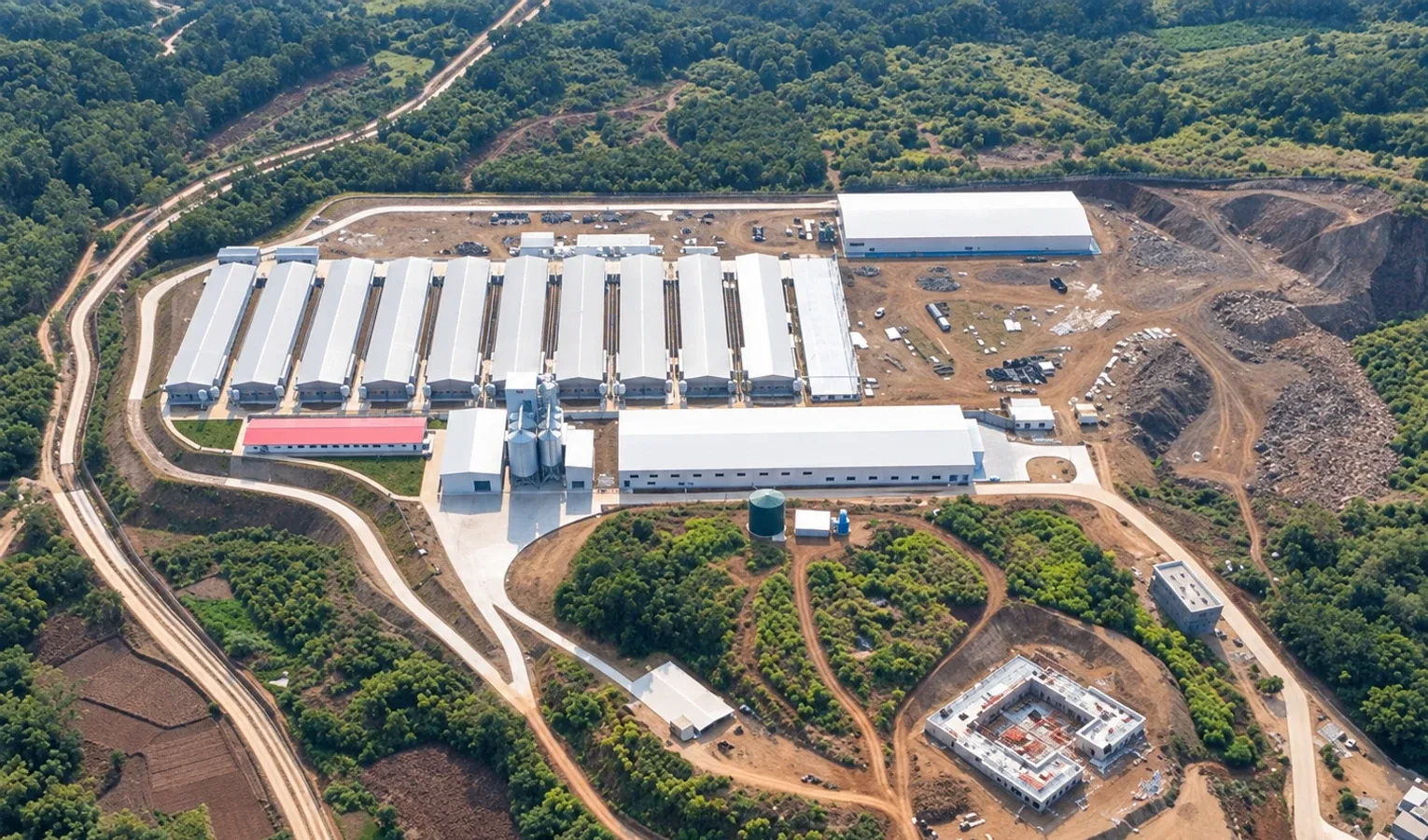
In a cage-free house, access between functional areas matters as well as floor area. Feed, water, nests and inspection routes have to work together. In a cage system, access is organised within modules and tiers. Compare the full arrangement, including the space needed for staff and equipment service, rather than comparing only the number of birds shown in a sales drawing.
Include changes in daily management
The housing choice affects how employees check birds, collect misplaced eggs, clean areas and prepare the next flock. Write a realistic daily task list for each alternative. Ask what training and supervision will be needed during the first flock. A new system should be matched to the farm's management capacity, not treated as a simple equipment swap.
Compare the same project boundary
Cost comparisons should include the building, equipment, utilities, installation and working capital assumptions for both proposals. State what is excluded. A cage-free quotation and a cage quotation may contain very different items under the same heading. Ask suppliers to show each major subsystem and clarify how replacements and spare parts are sourced.
Keep the buying decision traceable
Create a comparison sheet covering the egg market, local requirements, planned flock, building constraints and operating resources. Have the buyer and project team confirm the assumptions before an order is placed. Regulations and customer standards vary by destination, so compliance must be checked for the actual market instead of inferred from a generic product illustration.
Visual checklist
Related reading
Buying Layer Cages: From House Drawing to Handover
Poultry Farm Capacity: House and Equipment Constraints