At a glance. Check water supply, drinking access, consumption records and hot-weather management to identify restrictions affecting a commercial laying flock.
Feed gets the attention and the budget, but water is the nutrient that limits production first. A laying hen can lose most of her body fat and protein and survive, but even a short water shortage cuts egg production immediately and, if prolonged, kills. Water regulates body temperature, carries nutrients, and forms most of the egg itself — yet it is the input most often taken for granted. This article makes the case for treating water as the first limiting nutrient it truly is, with the numbers that show how quickly water demand changes with temperature.
Why Water Comes First
Water is involved in nearly every biological process a hen runs: digestion, nutrient transport, temperature regulation, waste removal, and egg formation. An egg is roughly three-quarters water, so a hen at peak is exporting water with every egg. Because the body has almost no water reserve, any restriction shows up in production within hours, not days. That immediacy is why water — not energy or protein — is described as the first limiting nutrient.
The Feed-to-Water Ratio
Under comfortable conditions, hens drink roughly twice as much water as feed by weight. A commonly cited figure is a feed-to-water ratio near 1:2, or more precisely about 1.82:1 at around 15°C. That ratio is a useful baseline for sizing water systems and for spotting problems — a sudden change in the ratio signals that something has shifted in the flock, the feed, or the environment. Knowing your normal ratio makes abnormal readings obvious.
How Heat Explodes Water Demand
The feed-to-water ratio is not fixed — it climbs steeply with temperature as the hen drinks to cool herself. The numbers are dramatic:
- ~15°C — ratio around 1.82:1 (baseline)
- 30-35°C — ratio rises toward 4.9-5:1
- Overall — water intake can quadruple in severe heat compared with cool conditions
This means a water system sized for cool weather can be badly undersized on the hottest days, exactly when the flock needs water most. Planning for peak summer demand, not average demand, is essential.
Cool Water Drives Feed Intake
Water temperature is a lever on feed intake, especially in heat. Cool water — ideally below 25°C — encourages hens to eat, while warm water suppresses both drinking and eating and worsens heat stress. In hot weather, keeping water cool at the drinker can recover meaningful feed intake and hold production. Flushing lines during the day, insulating tanks, and avoiding long runs of pipe in the sun all help keep delivered water cool.
Water Quality Matters as Much as Quantity
Abundant water is only useful if the hen will drink it, and quality governs that. Water contaminated with high mineral loads, bacteria, or biofilm reduces intake and can carry disease, so clean water is part of water management, not a separate concern. Regular testing and line sanitation keep water palatable and safe. A flock offered plenty of poor water can still behave as if water-restricted, because it simply drinks less.
Signs of Water Restriction
Because water restriction hits production so fast, recognizing its signs early prevents lasting losses.
- Sudden production drop — often the first and clearest sign
- Reduced feed intake — birds eat less when they cannot drink enough
- Drier droppings and reduced activity — signs of dehydration
- Changed feed-to-water ratio — a measurable early warning
Any unexplained production dip should trigger an immediate check of water flow, pressure, and line function before anything else.
Delivery Systems and Flow
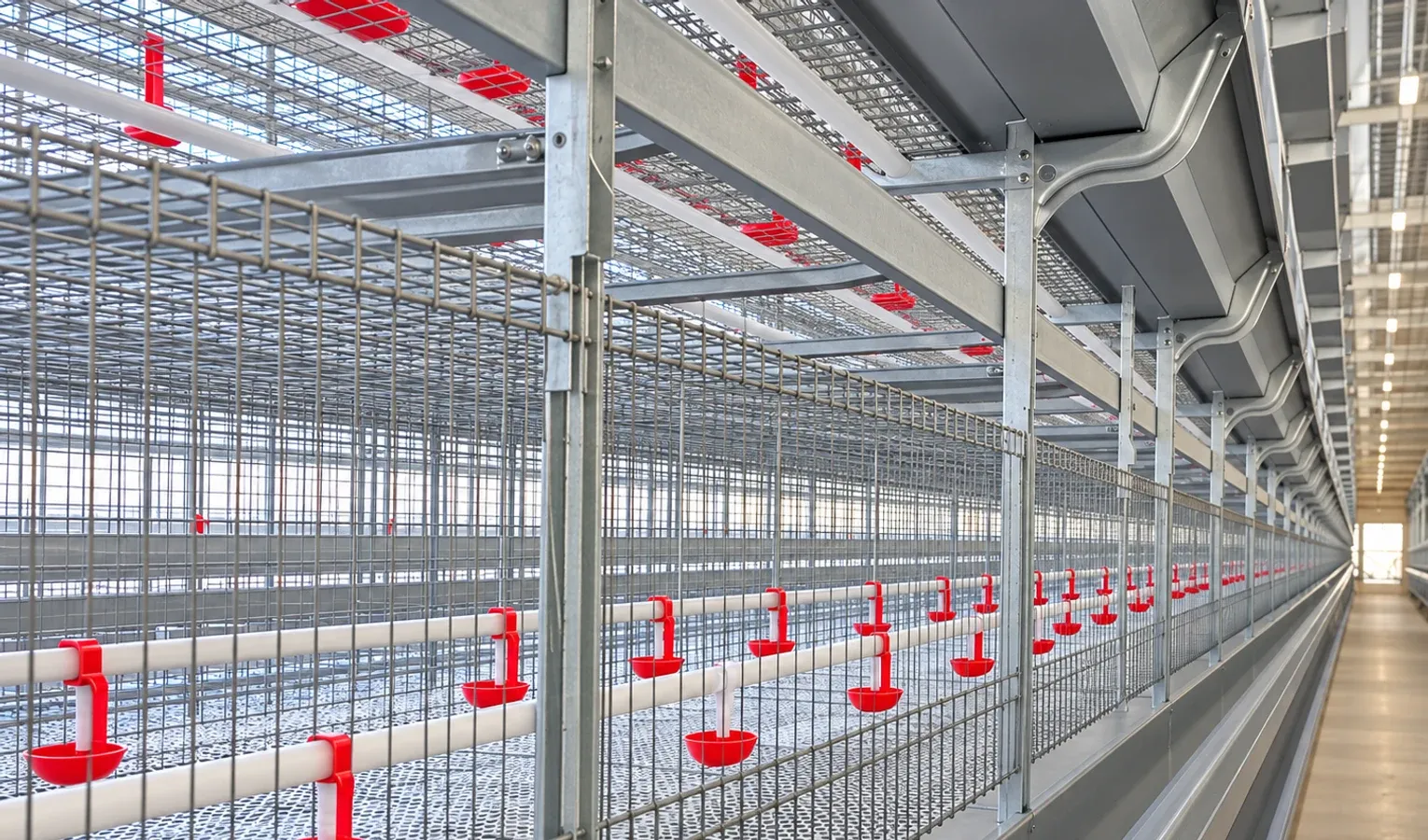
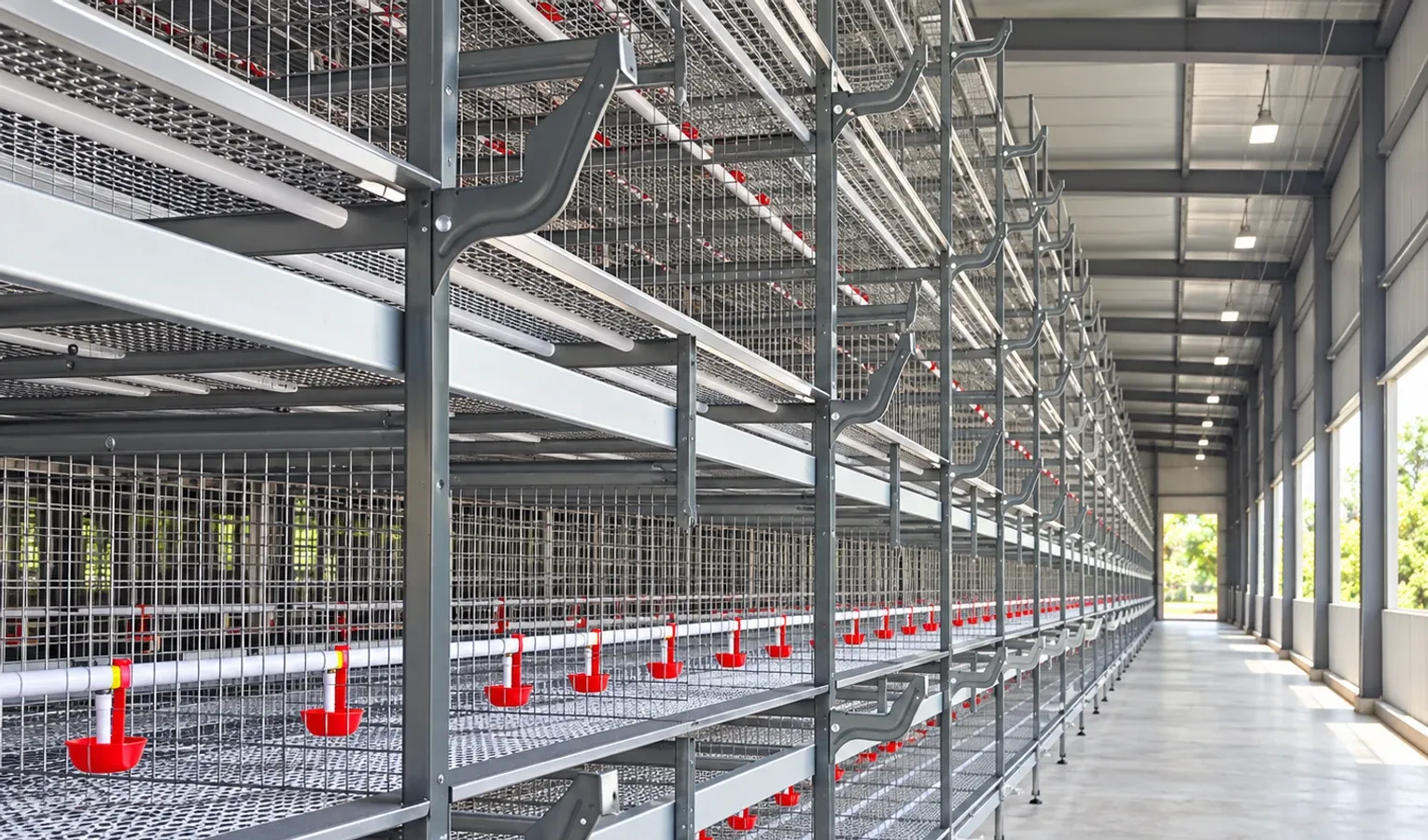
The water system must deliver enough water at the right pressure and flow for every bird, and demand rises with age and heat. Nipple drinkers need correct flow rates, adequate numbers per bird, and pressure set so hens drink easily without spillage. Because peak summer demand can be several times the cool-weather baseline, lines and regulators must be sized for the hottest day. A system that just copes in spring can fail in summer, so design for the extreme.
Managing Water in Hot Weather
Summer water management is heat-stress management. With demand potentially quadrupling and cool water actively helping birds shed heat, the priorities are clear: keep water cool below 25°C, keep it flowing without interruption, and keep it clean. Flush lines through the day, check that flow keeps pace with the surge in demand, and monitor consumption as an early indicator of how the flock is coping. Water is the cheapest and most powerful tool against summer heat.
Water and Shell Quality
Water restriction hits shells as well as production. Dehydration disrupts the physiology of egg formation and can produce soft or misshapen eggs, and the intake drop that follows restriction reduces the calcium the hen consumes. Steady, clean water supports the whole egg-forming process, which is one more reason water management is inseparable from egg quality, not just egg numbers.
Monitoring Consumption as a Health Gauge
Daily water consumption is one of the best early-warning signals a flock gives. A sudden drop often precedes visible signs of disease, a feed problem, or a system fault, while an unexplained rise can indicate heat or certain health issues. Recording daily water use — ideally with a meter — turns water into a diagnostic tool. Reading it alongside feed intake and production gives an early, sensitive picture of flock health.
Building a Water Management Routine
Good water management is a set of habits: test water quality regularly, sanitize lines to control biofilm, check flow and pressure across the house, keep water cool, meter daily consumption, and size the system for peak summer demand. None of these are expensive, but together they protect the input that limits production first. A farm that manages water this deliberately rarely loses eggs to a problem that was, in hindsight, entirely avoidable.
Let Us Help You Get Water Right
Water is the cheapest nutrient and the first to limit your flock, so getting the system right pays back fast. Tell us your flock size, house layout, and local climate, and our team will help you size drinkers, lines, and cooling to keep clean, cool water flowing even on the hottest day. Share your details and we will help you make water your flock's strength, not its weak point.
Visual checklist
Related reading
Poultry Drinking Lines: Supply, Access and Cleaning
Poultry Water Quality: Testing and Intake Records
Further reading
Use the management guide for the actual breed, age and housing system when selecting flock targets. Review changes with the farm team and the relevant nutrition, health or equipment specialist.