At a glance. Review roof and wall insulation, air sealing, moisture control and climate conditions when specifying a steel-frame poultry-house envelope.
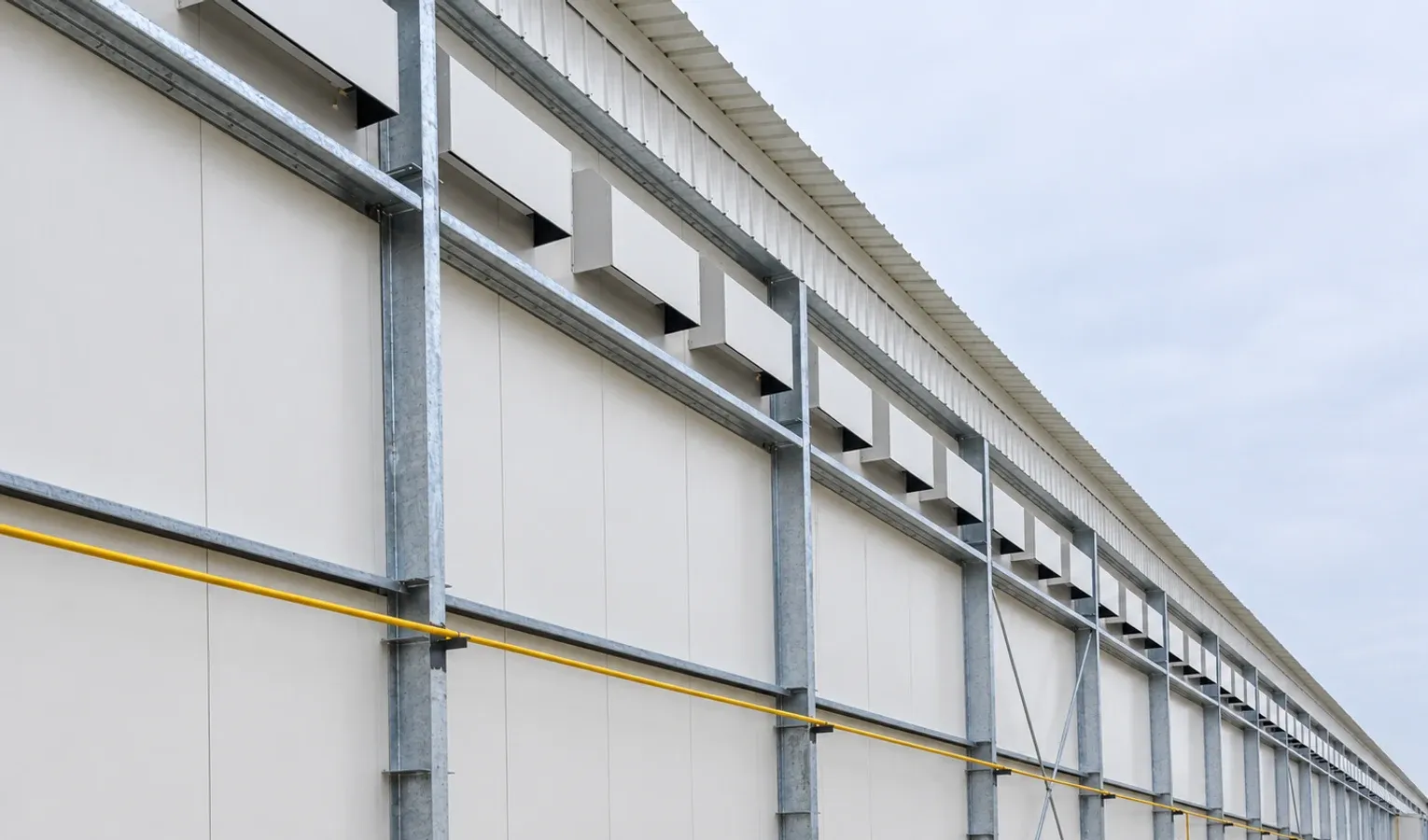
A steel-frame poultry house is fast to build, strong, and affordable — and, left uninsulated, it is also a giant heat exchanger working against you every hour of the year. Bare steel conducts heat straight out in winter and straight in during summer, so every degree your climate system fights for leaks away through the shell. Insulation is what turns that shell from a liability into a barrier, and the language of insulation is the R-value. Getting R-values right for the roof and walls is one of the highest-return decisions in house construction, because it lowers your energy bill on every single day the flock is in the building.
What R-Value Actually Means
R-value measures resistance to heat flow: the higher the number, the slower heat moves through the material.
- A high R-value means the house holds heat in winter and keeps it out in summer.
- A low R-value means the shell leaks heat both directions, forcing heaters and fans to work harder.
- R-values add up through the layers of a wall or roof assembly.
Every degree of temperature difference between inside and outside is a force pushing heat through the shell; R-value is how hard the shell pushes back.
Roof and Ceiling: Target R-21
The roof is where most heat is lost in winter and gained in summer, because heat rises and the roof takes the full force of the sun. It deserves the most insulation.
- Aim for a roof or ceiling insulation value of R-21 or better.
- Treat R-19 as the practical minimum, not the goal.
- The roof handles the biggest temperature swings, so it earns the highest R-value in the building.
Skimping on roof insulation is the most expensive corner to cut, because the roof drives both your winter heating load and your summer cooling load.
Sidewalls: R-7 to R-11
Walls see less direct sun and less of the stack-effect heat loss than the roof, so their target is lower — but still real.
- Insulate sidewalls to about R-7, and up toward R-11 where the climate is harsh.
- Walls still leak significant heat, especially in cold weather and on the sun-struck side in summer.
- Consistent wall insulation also reduces condensation on cold interior surfaces.
The roof gets the priority, but uninsulated walls quietly bleed heat and invite condensation, so they belong in the plan too.
Blown Cellulose: R-19 From Six Inches
Among the practical insulation options, blown cellulose is a common, cost-effective choice for filling cavities and attic spaces.
- Roughly 6 inches of blown cellulose delivers about R-19.
- It fills irregular cavities and gaps that rigid boards leave open.
- It is affordable and reaches the roof minimum in a single application.
Cellulose is a workhorse for hitting roof and ceiling targets without a premium price, which is why it shows up in so many houses.
Foam Board and Mineral Wool
Different insulation materials suit different parts of the building, and mixing them is normal.
- Rigid foam board gives high R-value per inch and works well where space is tight or a moisture-resistant layer is wanted.
- Mineral wool (rock wool) resists fire and moisture and holds its shape in wall cavities.
- Spray foam seals and insulates in one step, closing air leaks as it insulates.
The right choice depends on cost, the space available, fire concerns, and how much air-sealing you need alongside the insulation.
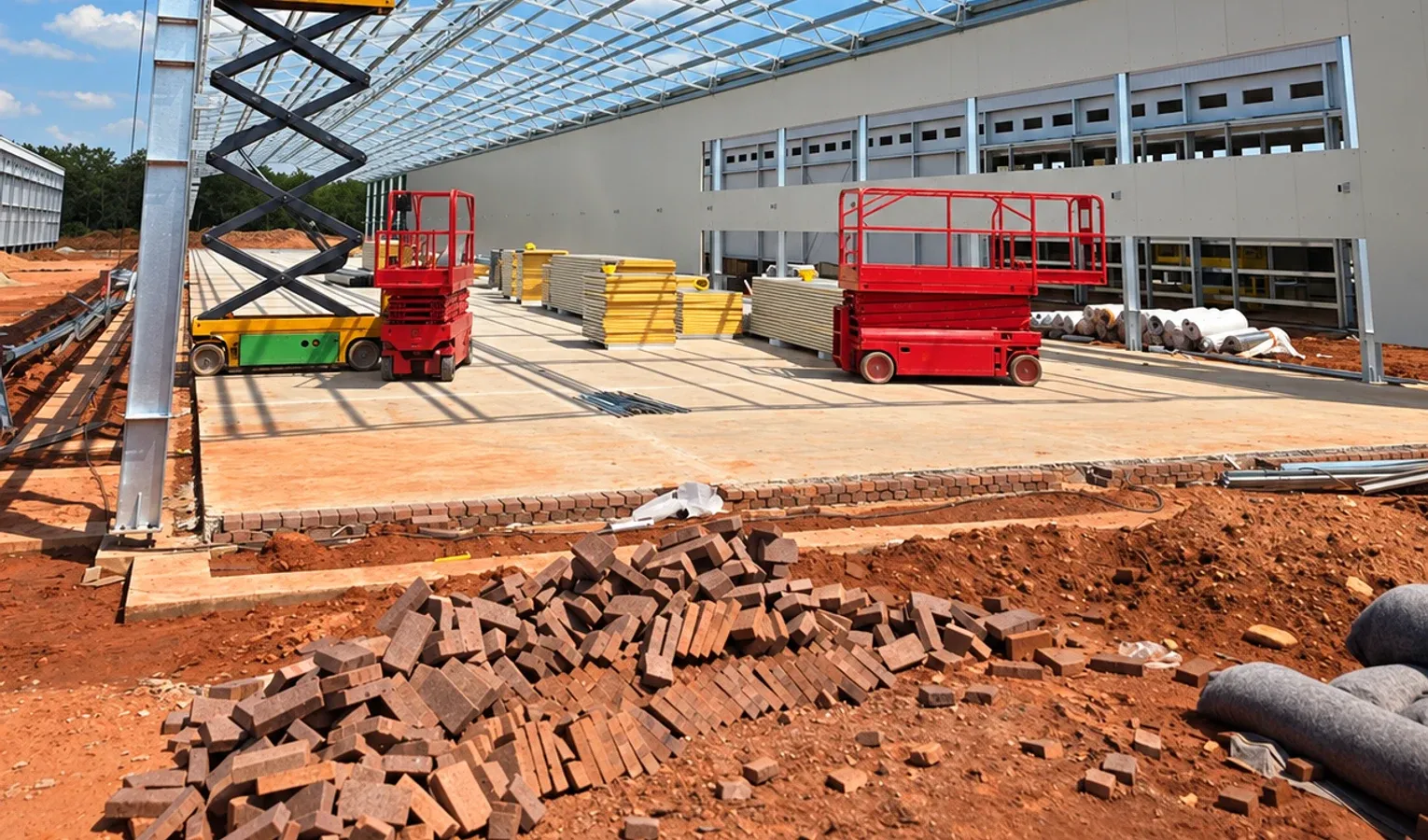
Insulated Steel Panels
Many modern steel houses skip separate insulation on part of the shell by using insulated panels — steel skins bonded to a foam or wool core.
- Insulated metal panels combine structure, weather skin, and insulation in one product.
- They install quickly and give a consistent, gap-free thermal layer.
- Corrugated colored-steel roofing over an insulated ceiling is a common, durable combination.
Panels raise material cost but cut labour and deliver a reliable R-value without the gaps that field-installed insulation can leave.
Insulation and the Vapor Problem
Insulation and moisture are tied together, because warm, humid house air meets cold surfaces inside the shell.
- Without a vapor barrier, humid indoor air can condense inside the insulation and ruin it.
- Wet insulation loses most of its R-value and can rot the structure.
- A proper vapor barrier on the warm side keeps the insulation dry and effective.
An insulation job that ignores vapor control is a job that degrades within a few seasons; the barrier protects the investment.
Why Insulation Pays Back Fast
Insulation is not a comfort luxury; it is an energy investment with a short payback in most climates.
- In winter, good insulation cuts the fuel needed to hold house temperature.
- In summer, it reduces the solar heat load your fans and pads have to remove.
- It also stabilizes temperature, reducing the swings that stress birds.
Every degree the shell holds is a degree your heaters and coolers do not have to produce, which is why the R-value line pays back on the fuel bill flock after flock.
Air Sealing Works With Insulation
Insulation slows heat conduction, but air leaks let heat escape by carrying warm air straight out — and the two must be managed together.
- Seal cracks, junctions, and penetrations so insulated surfaces are not bypassed by leaking air.
- A tight, well-insulated house is also a house where static pressure and minimum ventilation actually work.
- Air sealing and insulation together deliver far more than either alone.
The same tightness that lets you control winter ventilation also lets your insulation do its job.
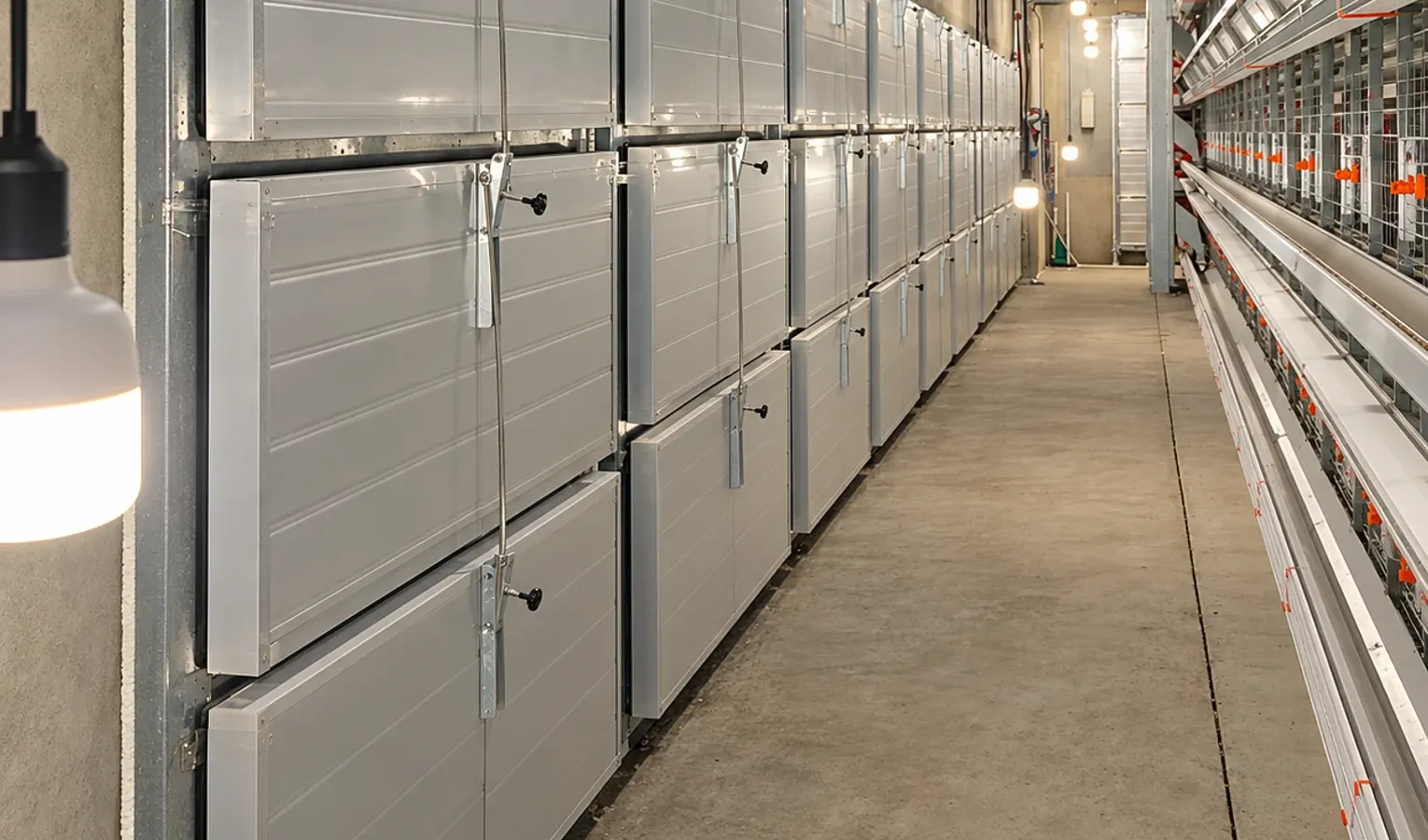
Matching Insulation to Climate
The right R-value is a function of how hard your climate pushes on the shell.
- Cold climates justify pushing roof and wall insulation above the minimums.
- Hot climates value insulation and reflective roofing to keep solar heat out.
- Mild climates can meet the baseline targets and focus spending elsewhere.
Insulation is one place where over-building modestly beyond the minimum usually pays, because the shell serves the house for its whole life.
Reflective Roofing and Radiant Heat
R-value slows conducted heat, but a large share of summer heat gain arrives as radiation from the sun striking the roof — and that calls for a different tool.
- A reflective or light-colored roof surface bounces solar radiation away before it becomes heat inside the shell.
- A radiant barrier under the roof deck blocks heat re-radiating downward toward the birds.
- These work alongside bulk insulation, not instead of it: reflection handles the sun, R-value handles the temperature difference.
In hot climates the combination is powerful, because it attacks both ways heat enters the building. A dark, unreflective steel roof can turn the ceiling into a radiant heater on a sunny afternoon, loading your cooling system before the air temperature outside is even extreme. Pairing a reflective surface with adequate roof R-value keeps that radiant load off the flock.
An Insulation Specification Checklist
When specifying the shell of a steel house:
- Insulate the roof or ceiling to R-21 or better (R-19 minimum).
- Insulate sidewalls to R-7, up to R-11 in harsh climates.
- Choose materials to fit the space and fire needs — cellulose (~R-19 at 6"), foam board, mineral wool, or insulated panels.
- Include a vapor barrier on the warm side to protect the insulation.
- Air-seal the shell so leaks do not bypass the insulation.
- Push beyond the minimums where your climate is severe.
Bringing It Together
A steel poultry house is only as good as its insulation, and R-value is the number that decides how much heat it holds. Insulate the roof to R-21, the walls to R-7 to R-11, protect it all with a vapor barrier, and seal the air leaks that would otherwise bypass your work. The result is a shell that lightens the load on your heaters and coolers every day of the year, paying back its cost in fuel flock after flock.
If you are specifying a new steel house or upgrading an existing one, our team can help you match insulation type and R-value to your climate and your climate-control equipment. Get in touch and we will help you build a shell that works with your ventilation, not against it.
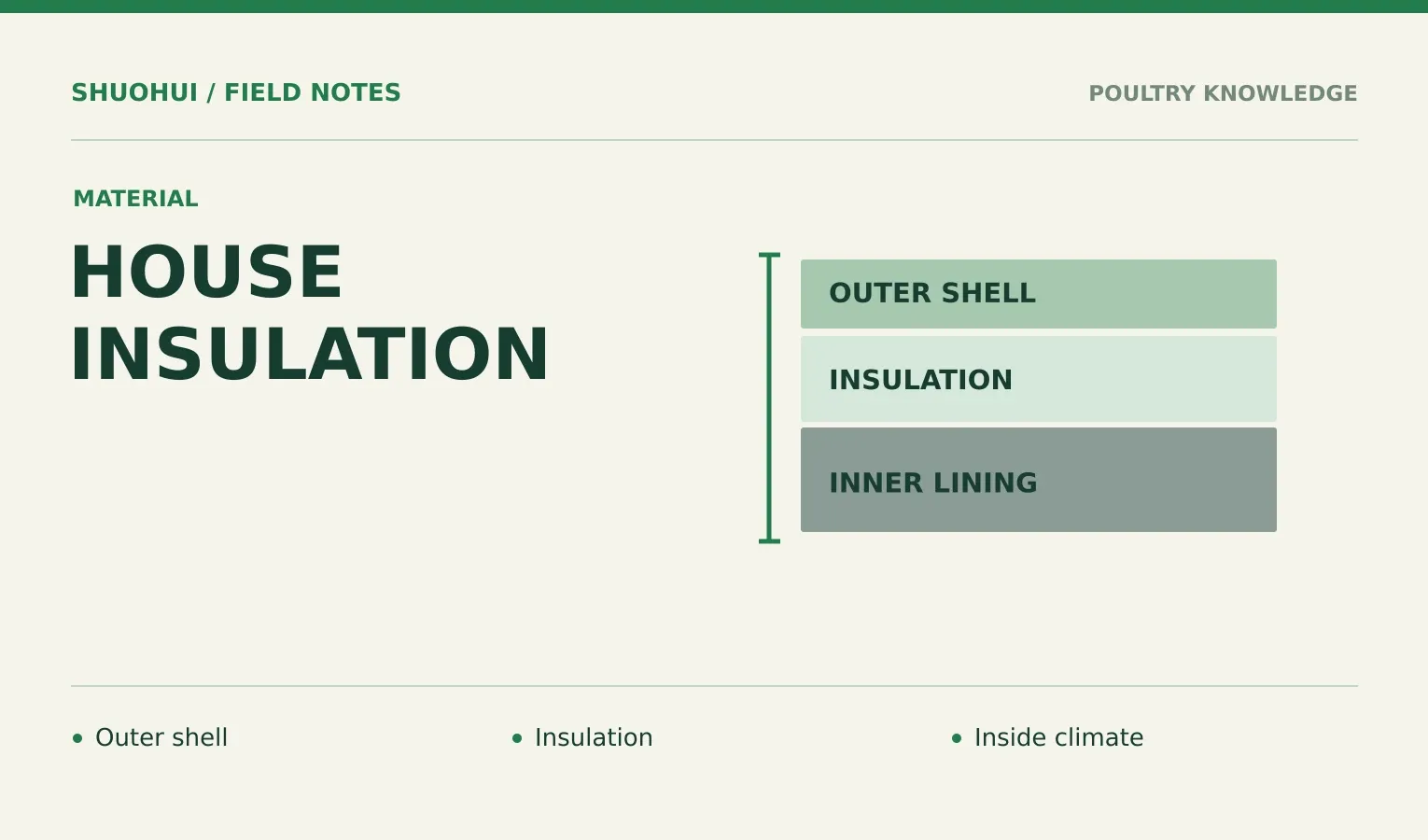
Visual checklist
Related reading
Steel Poultry Houses: Structure and Equipment Planning
Poultry House Static Pressure and Air Inlet Operation