At a glance. Understand how house tightness, static pressure and inlet opening work together to distribute fresh air through a negative-pressure poultry house.
Two houses can have identical fans, identical inlets, and identical bird numbers, and one will have dry litter and comfortable birds while the other has wet spots under every inlet and chilled chicks in the corners. The difference is almost always static pressure — the small vacuum a running fan creates inside a closed house, and the force that decides how fast and how far incoming air jets before it falls. Master static pressure and negative-pressure inlets and you control exactly where fresh air goes; ignore it and cold air dumps wherever it pleases. This is the single most important, and most misunderstood, number in mechanical ventilation.
What Static Pressure Is
When exhaust fans pull air out of a tight house, they create a slight vacuum inside — the house pressure drops below the pressure outside. That difference is static pressure.
- It is measured in inches of water column (or in pascals).
- The bigger the difference, the harder outside air is pushed in through the inlets.
- It exists only in a reasonably tight house; a leaky house cannot hold pressure.
Static pressure is the engine that converts fan power into controlled inlet air speed. Without it, air just wanders in through the nearest gap.
Pressure Sets Inlet Velocity
The whole point of static pressure is that it dictates how fast air enters through the inlets — and inlet velocity is what throws air across the ceiling.
- At about 0.05 inches of water column, inlet air moves at roughly 900 feet per minute.
- At about 0.10 inches, inlet air moves at roughly 1,250 feet per minute.
- Faster inlet air travels farther before gravity pulls it down.
That relationship — pressure in, velocity out — is the mechanism behind every good and bad airflow pattern in a mechanically ventilated house.
Air Throw: Why Doubling Pressure Matters
The reason managers obsess over static pressure is air throw: how far the incoming jet travels along the ceiling before it drops to bird level.
- Raising static pressure from 0.05 to 0.10 inches increases air throw by roughly 30 to 40 percent.
- More throw means cold incoming air reaches the middle of the house and mixes with warm air before it falls.
- Too little throw and cold air drops straight down onto the birds directly below the inlet.
In cold weather, air throw is everything — it is the difference between fresh air that warms before it reaches the flock and a cold shower on the birds under every inlet.
The Recommended Pressure Range
There is a workable band for static pressure, and it shifts with the season.
- A general operating range is about 0.05 to 0.13 inches of water column.
- In cold weather, run toward the high end — about 0.10 to 0.15 inches — to maximize air throw and keep cold air off the birds.
- In warm weather, lower pressure is acceptable because you are not fighting to warm the incoming air.
Set within this band, inlets throw air correctly; drift outside it and either the air falls short or the fans fight excessive resistance.
Static Pressure in Pascals
Much of the world measures pressure in pascals rather than inches, and the same targets translate over.
- A practical negative-pressure range is about 13 to 25 Pa.
- An often-cited optimum sits around 16.3 Pa for balanced throw and fan efficiency.
- These pascal figures correspond to the same inch-of-water targets used above.
Whichever unit your controller speaks, the goal is identical: enough pressure to throw air, not so much that fans stall.
How Inlets Turn Pressure Into a Jet
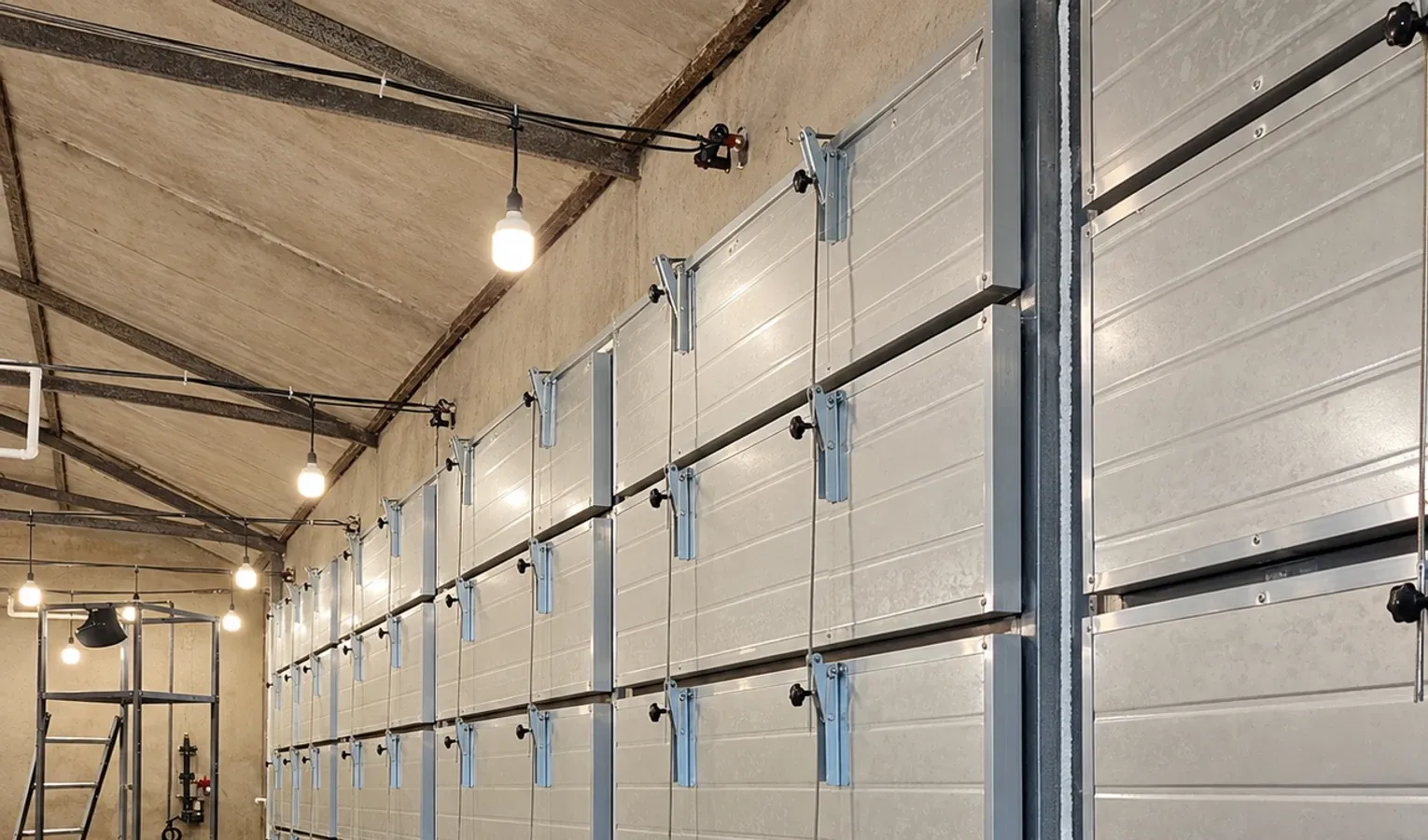
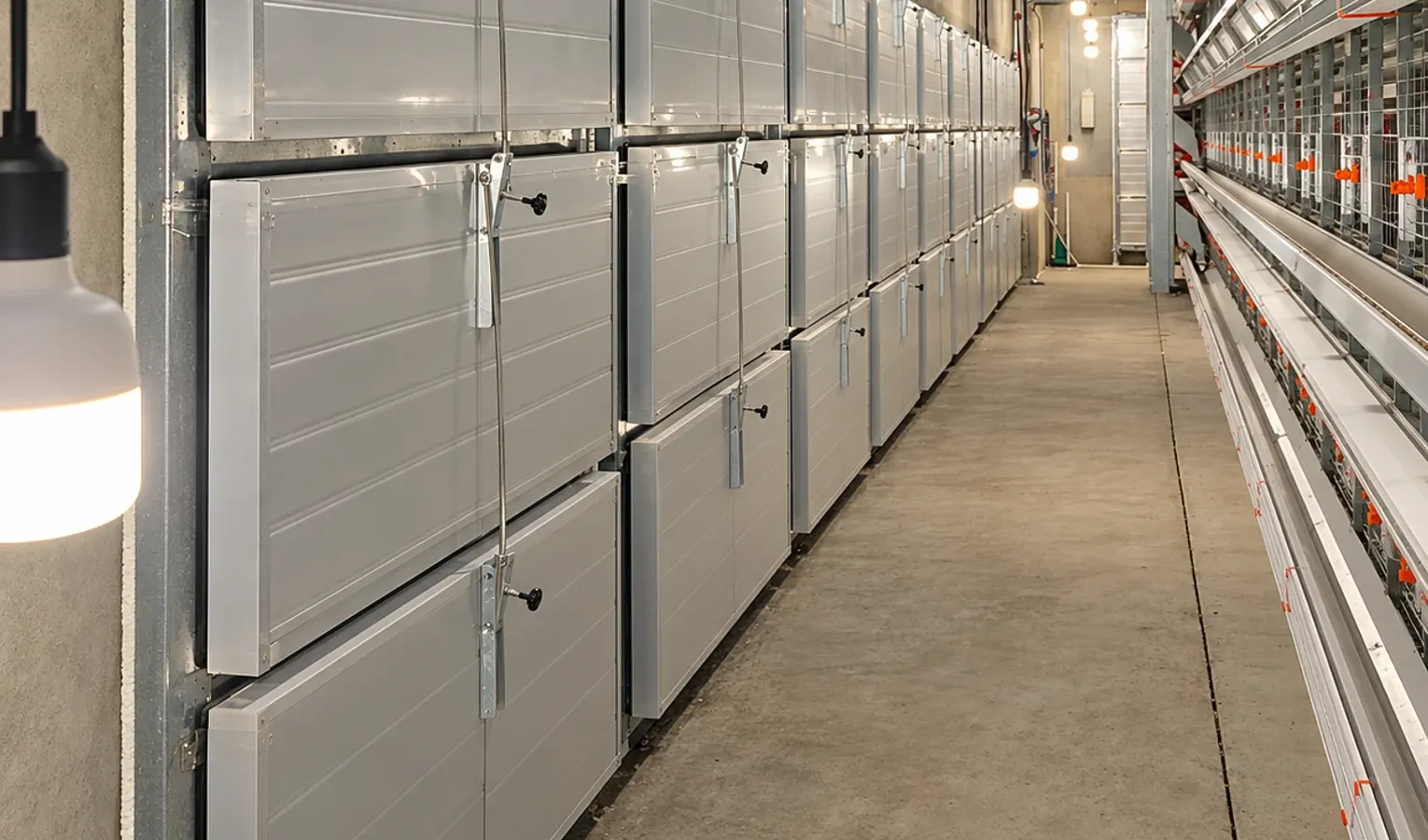
Negative-pressure inlets are engineered to convert the house vacuum into a directed jet of air, usually aimed up at the ceiling.
- Each inlet opens against the pressure and directs incoming air upward along the ceiling.
- The ceiling jet entrains and mixes with warm house air as it travels.
- By the time the mixed air descends to bird level, it is tempered and gentle.
The inlet is not just a hole; it is a nozzle, and static pressure is the force behind the nozzle. The two are designed as a pair.
Inlet Sizing and the 3 cm Rule
Inlets have to be sized and set so they can throw air properly under the working pressure.
- Inlets should open to a meaningful gap — on the order of 3 cm or more — so air jets rather than dribbles.
- If inlets are too small or open too little, air enters too slowly to reach the ceiling.
- If inlets are too large for the fan capacity, pressure collapses and throw dies.
Matching total inlet area to fan capacity is what lets the house hit its target pressure at the right inlet opening.
House Tightness Is the Foundation
None of this works in a leaky building, because every crack is an uncontrolled inlet that bleeds off pressure.
- Leaks let air enter where you do not want it, at low velocity, dropping straight down.
- A leaky house cannot build the vacuum needed to throw air from the real inlets.
- Sealing the house is the prerequisite for controlling static pressure at all.
A common test is to close the house, run a known fan, and see what pressure it produces — a tight house holds pressure, a leaky one does not.
Reading Pressure Problems in the House
The house shows you when static pressure is wrong, if you know the signs.
- Wet litter and cold birds directly under inlets mean pressure is too low and air is dropping short.
- Inlets that barely open, with fans laboring can mean pressure is too high or inlets undersized.
- Uneven temperature down the house often traces to inconsistent throw from mismatched inlets.
- Frost around inlets in winter signals cold air stalling instead of throwing.
Each symptom points back to the pressure-and-inlet relationship, not to the fans alone.
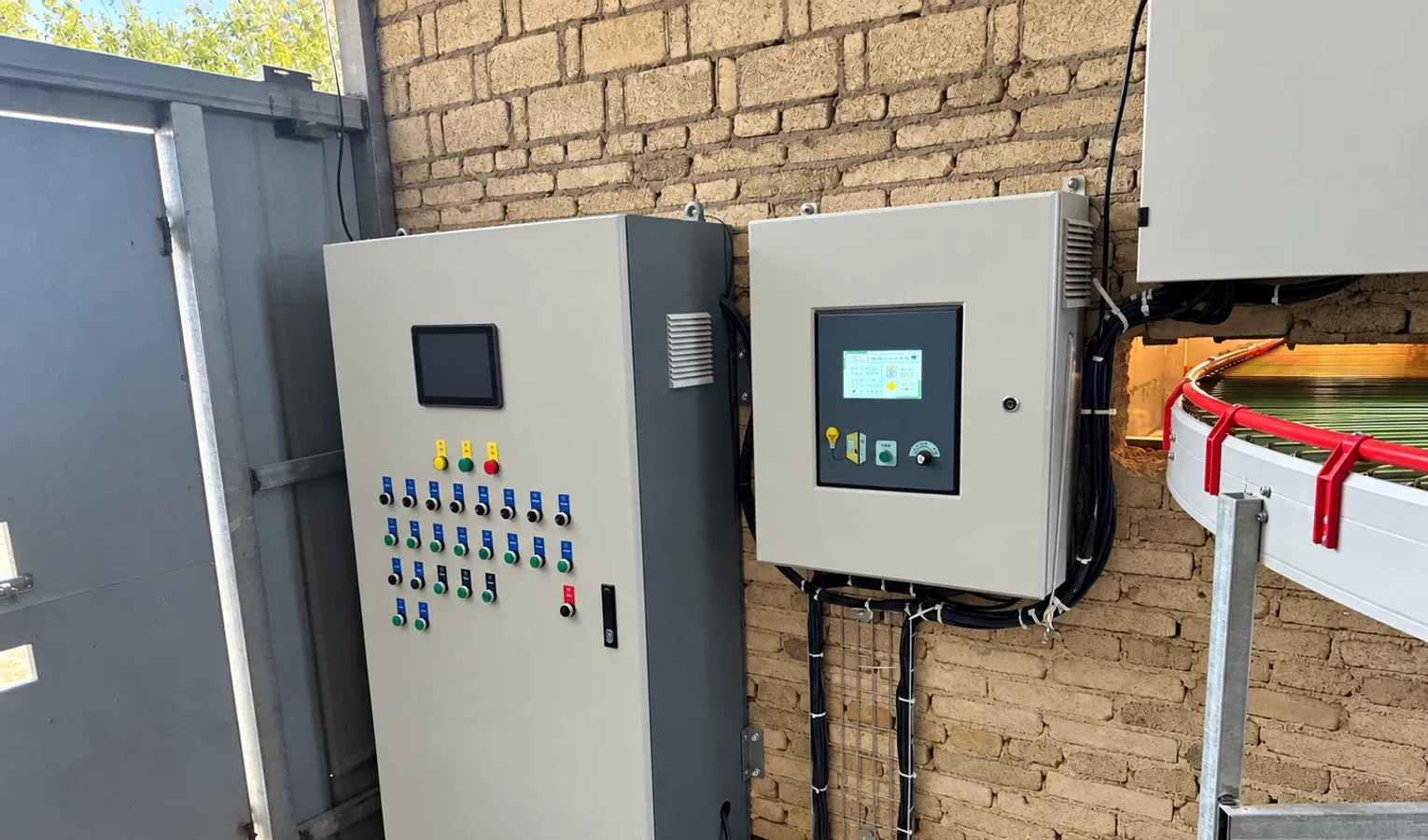
Controllers That Manage Pressure Automatically
Modern controls take static pressure off the manager's shoulders by adjusting inlets to hold a target.
- A pressure sensor feeds the controller the live house pressure.
- The controller opens or closes inlets to hold the target as fans stage on and off.
- This keeps air throw correct even as ventilation demand changes through the day.
Automatic static-pressure control is one of the highest-value upgrades a house can have, because it holds the correct airflow pattern continuously.
A Static-Pressure Checklist
To keep static pressure and inlets working together:
- Seal the house so it can hold pressure on a known fan.
- Target 0.05–0.13 inches (about 13–25 Pa), toward 0.10–0.15 inches in cold weather.
- Size total inlet area to fan capacity so inlets open to about 3 cm or more at target pressure.
- Confirm air throws to the ceiling and mixes before falling.
- Watch for wet litter under inlets and uneven temperature as pressure warnings.
- Use a pressure sensor and controller to hold the target automatically.
Bringing It Together
Static pressure is the invisible hand that steers every cubic metre of air entering your house. Hold it in the 0.05–0.13 inch (13–25 Pa) range, lean high in winter to throw cold air to the ceiling, and remember that raising pressure from 0.05 to 0.10 inches buys 30–40 percent more air throw. Do it in a tight house with correctly sized inlets and you place fresh air exactly where the birds need it, in every season.
If you want help sealing a house, sizing inlets, and adding static-pressure control that holds the right airflow pattern automatically, our team can specify the system for you. Reach out and we will help you turn fan power into precise, controllable air.
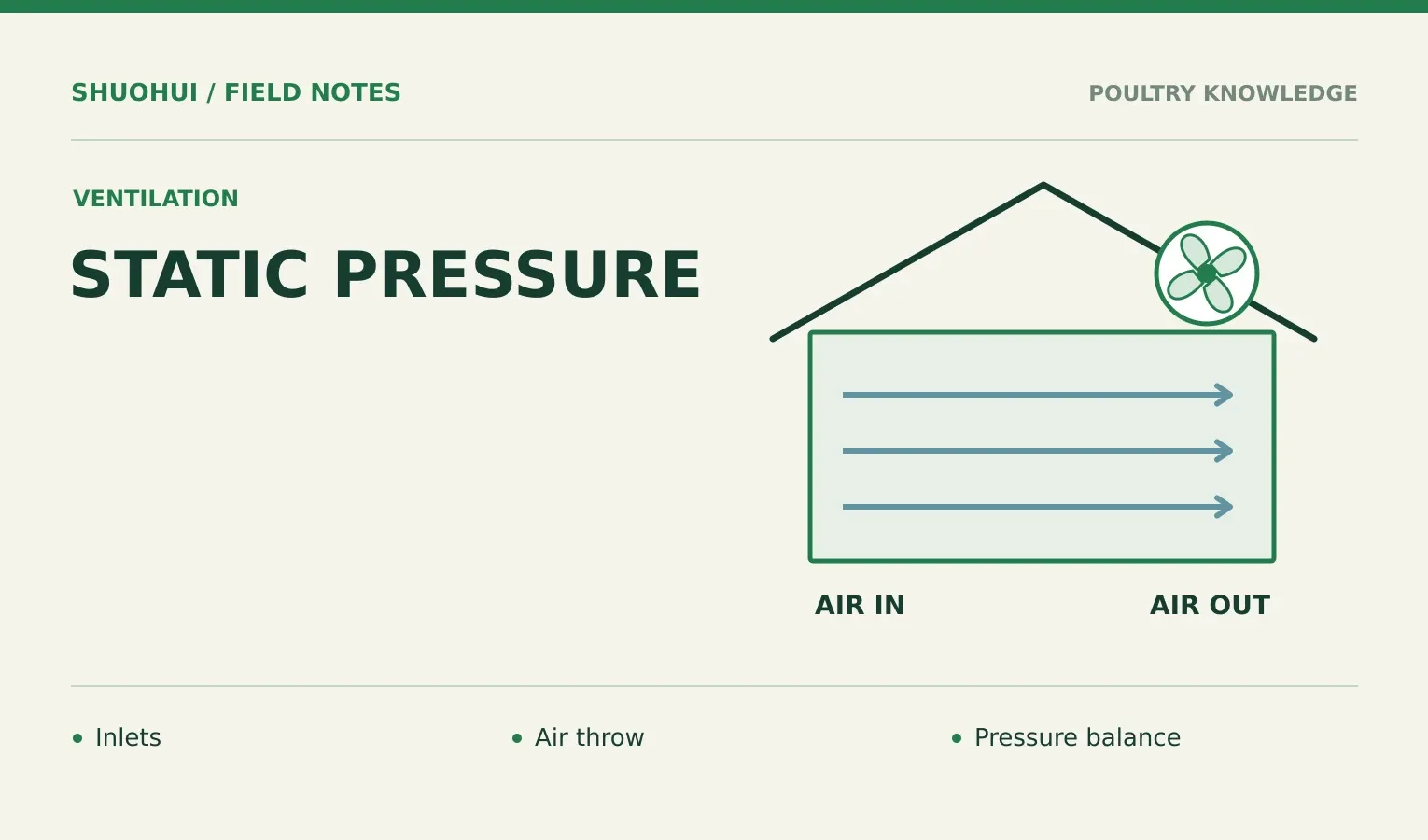
Visual checklist
Related reading
Winter Poultry Ventilation: Moisture and Airflow
Poultry Exhaust Fan Sizing: Capacity and Duty Point
Further reading
UGA poultry ventilation resources
Check operating targets against bird age, local climate, measured house conditions and the equipment specifications. A general design example does not replace a house-specific ventilation assessment.