At a glance. Review sensors, alarms, climate control, data records and backup arrangements when planning an automated monitoring system for a poultry house.
A poultry house is really a life-support system with a roof, and the difference between a good flock and a poor one is often written in the air the birds breathe. Temperature, humidity, and gas levels drift constantly, and by the time a person notices something is wrong on a walk-through, the flock has already been living in it for hours. Smart, connected control changes that. A network of sensors watches the house continuously, a controller acts the moment a threshold is crossed, and a cloud dashboard puts the whole picture on a phone. The payoff is a tighter, steadier environment that holds ammonia below 20 ppm, carbon dioxide under 3000 ppm, and relative humidity in a comfortable 50-70% band, all without waiting for someone to notice.
Why Manual Environmental Control Falls Short
Manual control depends on a person being present, alert, and correct, on a schedule. Between inspection rounds the house is effectively unsupervised, and conditions can move a long way in a short time, especially on hot afternoons or cold nights. A smart system removes that gap by watching every minute and acting immediately, so a problem is corrected while it is still small rather than after it has already stressed the flock.
- Continuous vigilance — the house is monitored every minute, not just on rounds.
- Immediate response — a fan or heater reacts to a threshold in seconds, not on the next walk-through.
- Consistency — the same rules apply at 3 a.m. as at midday, without fatigue or guesswork.
The Sensor Network at the Core
Everything starts with measurement. A smart house is wired with sensors that read the variables that matter most to bird health and comfort, feeding a constant stream of data to the controller. The core set covers temperature, humidity, carbon dioxide, ammonia, light, and static pressure, and together they describe the environment far more completely than any human sense can.
- Temperature and humidity — the two variables birds feel most directly.
- CO2 and ammonia (NH3) — the gases that signal ventilation is falling behind.
- Light and static pressure — controlling the lighting programme and the air-exchange that drives it.
The Thresholds That Trigger Action
The controller works to a set of targets, and knowing the numbers explains what a good system is actually defending. Ammonia should stay at or below 20 ppm, and carbon dioxide at or below 3000 ppm, because both climb when ventilation is inadequate. Relative humidity is held in the 50-70% range to keep litter dry without drying birds out. And static pressure is managed to roughly 0.05-0.13 inches of water column, the small pressure difference that pulls fresh air where it is needed.
- NH3 ≤ 20 ppm — above this, air quality and bird respiratory health suffer.
- CO2 ≤ 3000 ppm — a direct read on whether fresh-air exchange is keeping up.
- RH 50-70% — dry enough for good litter, humid enough for comfort.
- Static pressure ~0.05-0.13" WC — sets how incoming air enters and mixes.
Automatic Ventilation, Cooling, and Heating
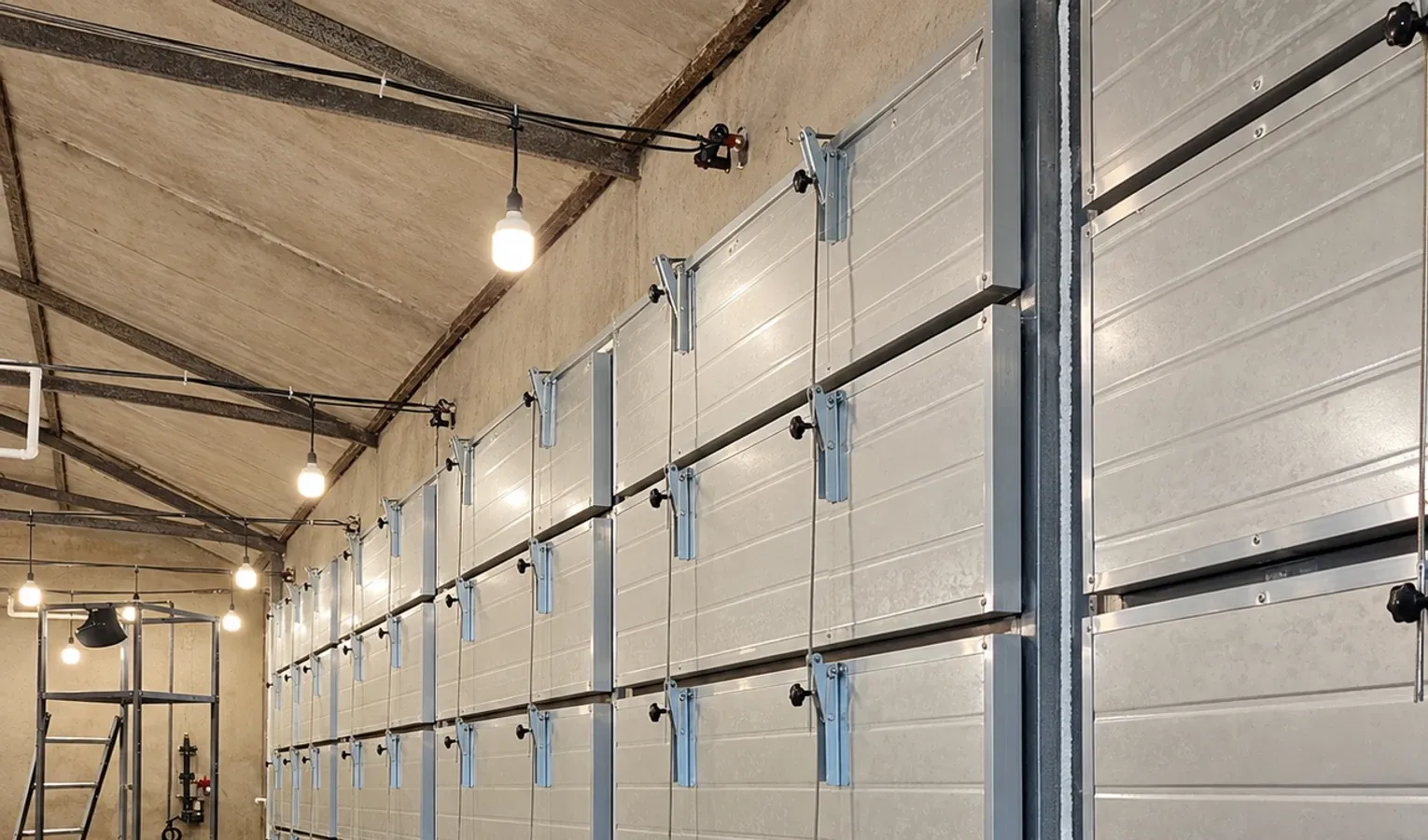
When a reading crosses a threshold, the controller acts on its own. Rising ammonia or CO2 calls for more ventilation; a temperature climb brings on cooling; a cold snap fires the heaters. Because these responses are automatic and immediate, the environment is nudged back into range continuously rather than in the large, late corrections a person tends to make.
- Ventilation on demand — fans ramp up when gases or heat rise.
- Cooling triggered by temperature — pads or foggers engage before heat stress builds.
- Heating on a cold snap — heaters hold the target when outside temperatures fall.
The Brooding Temperature Curve
Young chicks are the least tolerant birds in the house, and their temperature needs change week by week, which is exactly the kind of schedule automation handles well. A typical brooding curve starts around 33-35°C for day-old chicks and steps down by roughly 3°C per week until the house settles near 18-21°C. A smart controller follows that curve automatically, easing the temperature down on schedule instead of relying on someone to remember to adjust it.
- Start at 33-35°C — the warmth day-old chicks need.
- Down ~3°C per week — a steady taper as the birds feather and grow.
- Settle at 18-21°C — the comfortable target for grown birds.
Integrating Lighting Programmes
Light drives feeding, activity, and, in layers, production, so a complete control system manages the lighting programme alongside the climate. Bringing lights, dimming, and day-length under the same controller means the whole daily rhythm of the house is coordinated, and lighting changes can be tied to the same schedule that governs temperature and ventilation.
One System for Climate, Feed, Water, and Eggs
The real power of a smart house is integration. Rather than a wall of separate boxes, one platform can pull together climate control, the lighting programme, the brooding curve, and the feed, water, and egg data. Seeing consumption and production next to environment turns a scatter of readings into a coherent picture of how the flock is actually doing.
- Climate and lighting together — environment and day-length managed as one.
- Feed, water, and egg data — production and intake read alongside the air.
- A single source of truth — one platform instead of many disconnected controllers.
Cloud Dashboards and Remote Management
Once data is flowing, the cloud makes it useful from anywhere. A dashboard lets a manager watch multiple houses remotely, log conditions over time, and receive alerts on a phone the moment something drifts out of range. For a multi-site operation this is transformative: one person can keep an eye on several farms at once and be warned of trouble before it becomes a crisis.
- Multi-house view — several houses, and several sites, on one screen.
- Data logging — every reading stored for later analysis.
- Phone alerts — a warning arrives wherever the manager happens to be.
From Data Logs to Early Warning
Stored data is not just a record; it is a warning system. Because the platform keeps a running history, it can reveal trends, a slowly climbing ammonia level or a creeping night-time temperature, long before they would be obvious in person. That trend analysis and early warning let a manager act on a developing problem while it is still cheap and easy to fix.
The Components That Make It Work
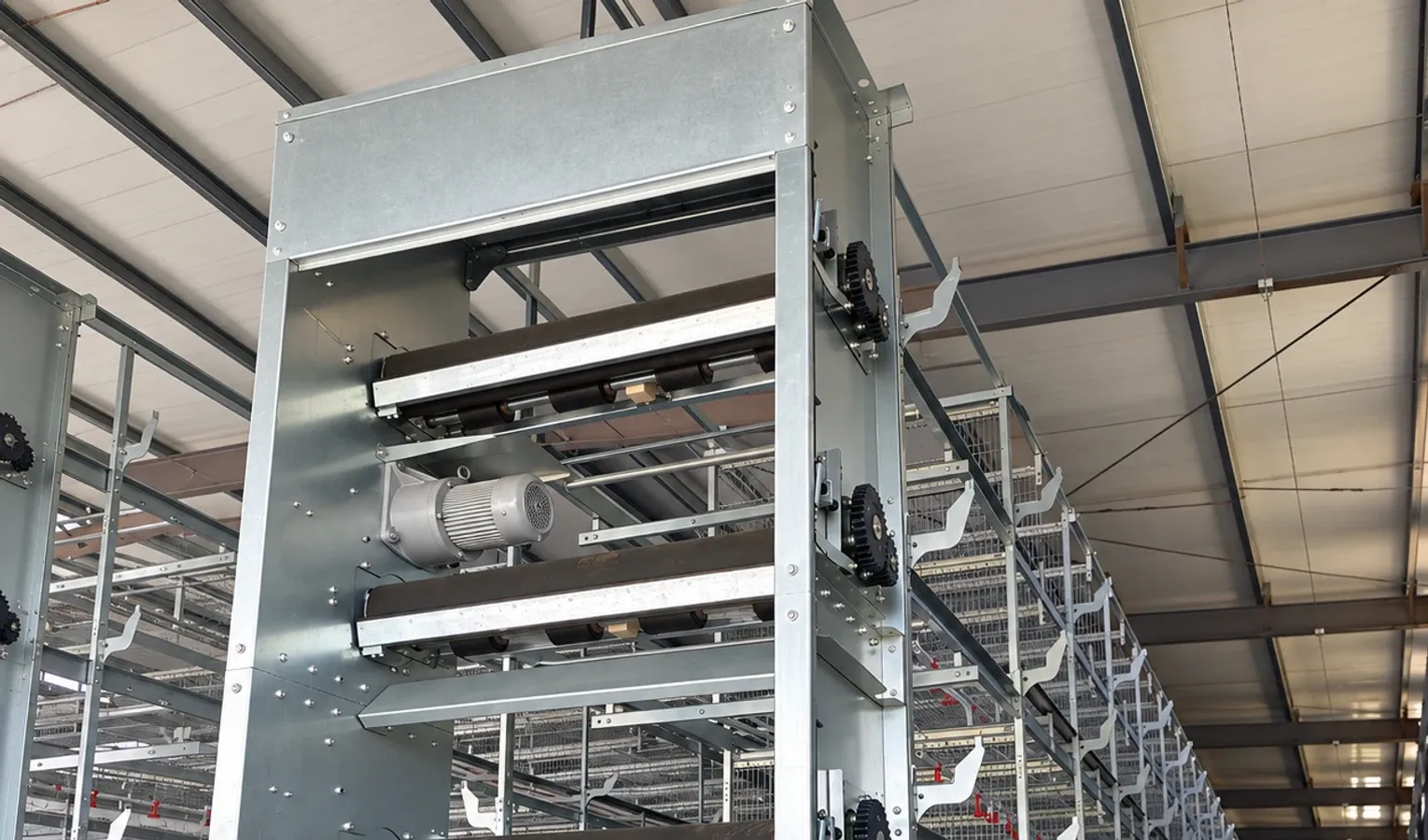
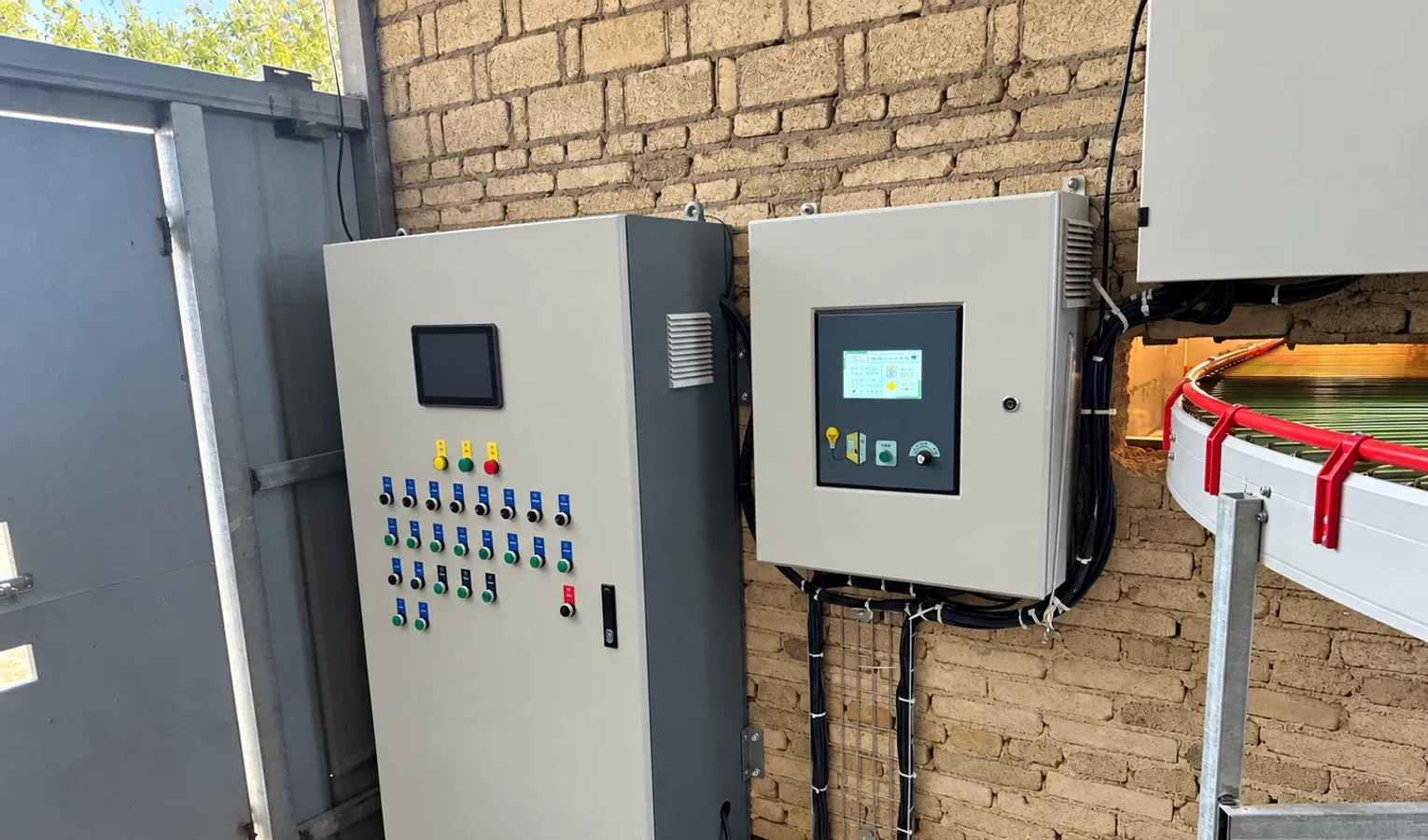
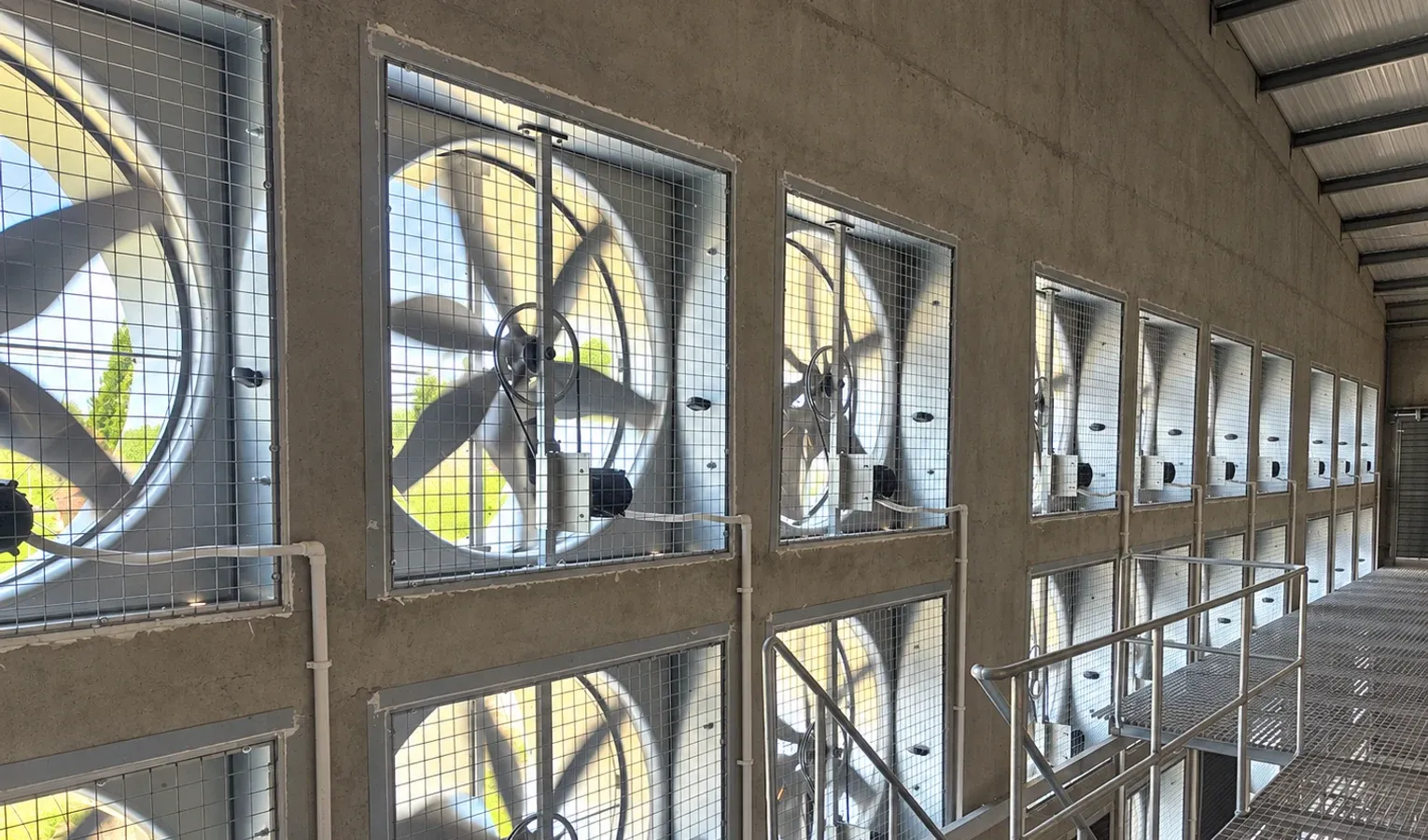
A smart control system is a stack of parts that each do one job well. Sensors measure, a PLC or controller decides, variable-frequency-drive fans and actuators act, a gateway connects the house to the internet, and a cloud app presents it all to the manager. Understanding the stack makes it easier to specify, troubleshoot, and expand.
- Sensors — the measuring layer for temperature, humidity, and gases.
- PLC / controller — the decision-maker that compares readings to thresholds.
- VFD fans and actuators — the muscle that changes the environment.
- Gateway and cloud app — the link that carries data out and control back in.
Building In Reliability and Redundancy
Automation concentrates responsibility in a system, so that system has to be trustworthy. Good installations plan for failure with backup alarms that sound if the controller loses its grip, failover arrangements so a single fault does not leave the house unmanaged, and power backup so a cut does not stop ventilation. Regular sensor calibration keeps the readings honest, because a controller acting on a drifting sensor is worse than no controller at all.
- Backup alarms — an independent warning if conditions go wrong.
- Failover and power backup — the house keeps breathing through a fault or outage.
- Sensor calibration — routine checks so the data the controller trusts stays accurate.
The Payoff of a Smart House
Pulled together, smart IoT control delivers a tighter and more stable environment, a faster response than any manual routine, real labour savings, and decisions grounded in data rather than hunches. For operators running more than one house, remote multi-site management and early warning can meaningfully reduce the mortality and heat-stress risk that used to depend on someone being in the right place at the right time. If you are considering upgrading your houses, explore our environmental control equipment, talk with our team about sensors, controllers, and ventilation for your setup, and read our related guides on ventilation modes and brooding management.
Visual checklist
Related reading
Poultry Climate Control: Ventilation and Cooling
Poultry House Air Quality: Ammonia and Gas Monitoring
Further reading
UGA poultry ventilation resources
Check operating targets against bird age, local climate, measured house conditions and the equipment specifications. A general design example does not replace a house-specific ventilation assessment.