At a glance. Locate feed losses, inspect delivery equipment and compare consistent records before changing operating procedures on a commercial poultry farm.
Feed is up to 70 percent of running cost, yet many farms spill and waste it daily. Small changes to feeder design and feeding schedule recover a surprising amount of profit.
This article breaks down where feed is lost, how automatic feeding lines reduce spillage, and simple management habits that cut your feed bill.
Find where the loss occurs
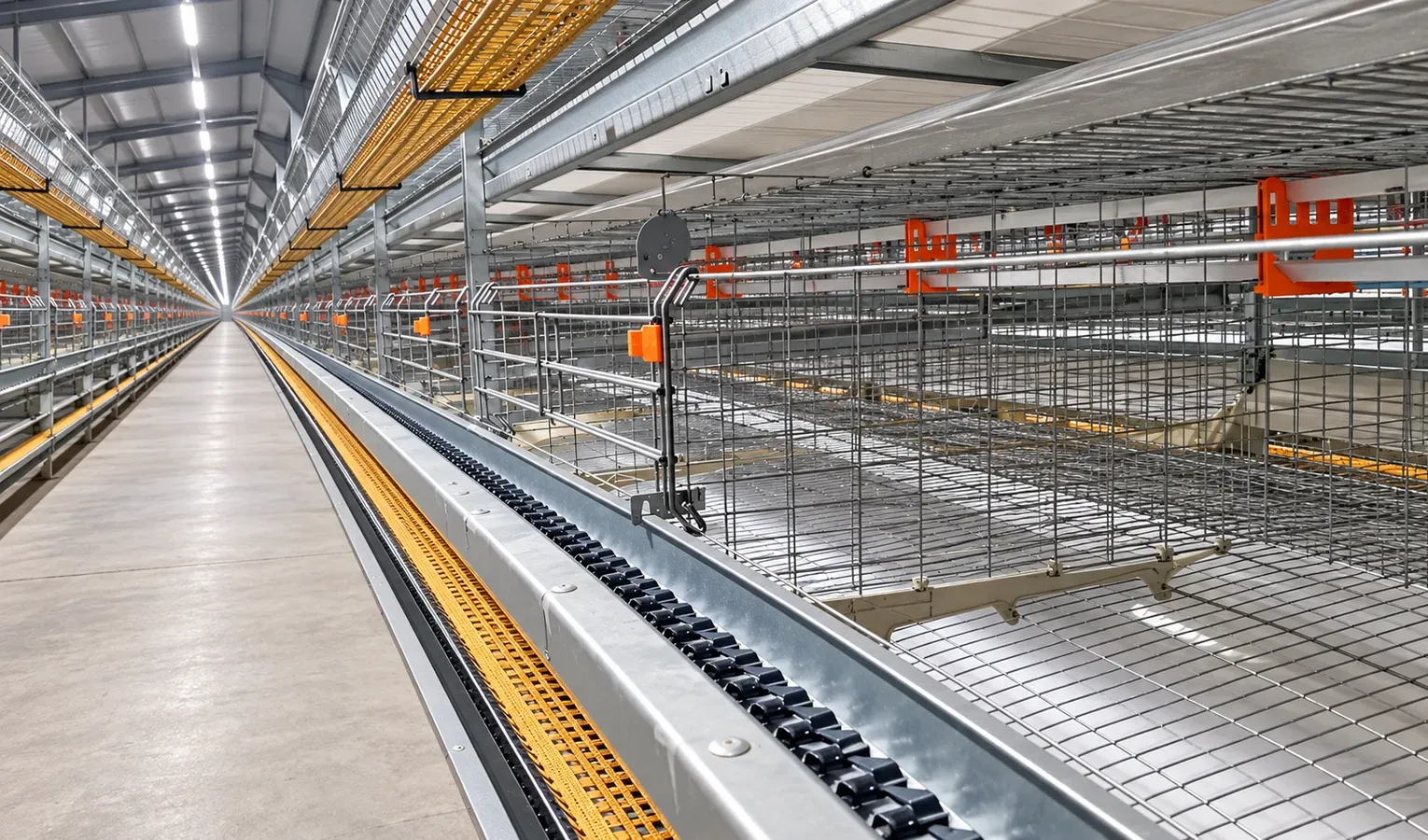
Feed waste can occur at storage, transfer points, hoppers and the feeding area. Walk the delivery route and distinguish spilled material from feed that remains available to birds. Record the location and timing of losses. This gives the farm a clearer starting point than reducing the amount delivered without knowing why feed is accumulating.
Check the equipment before changing the programme
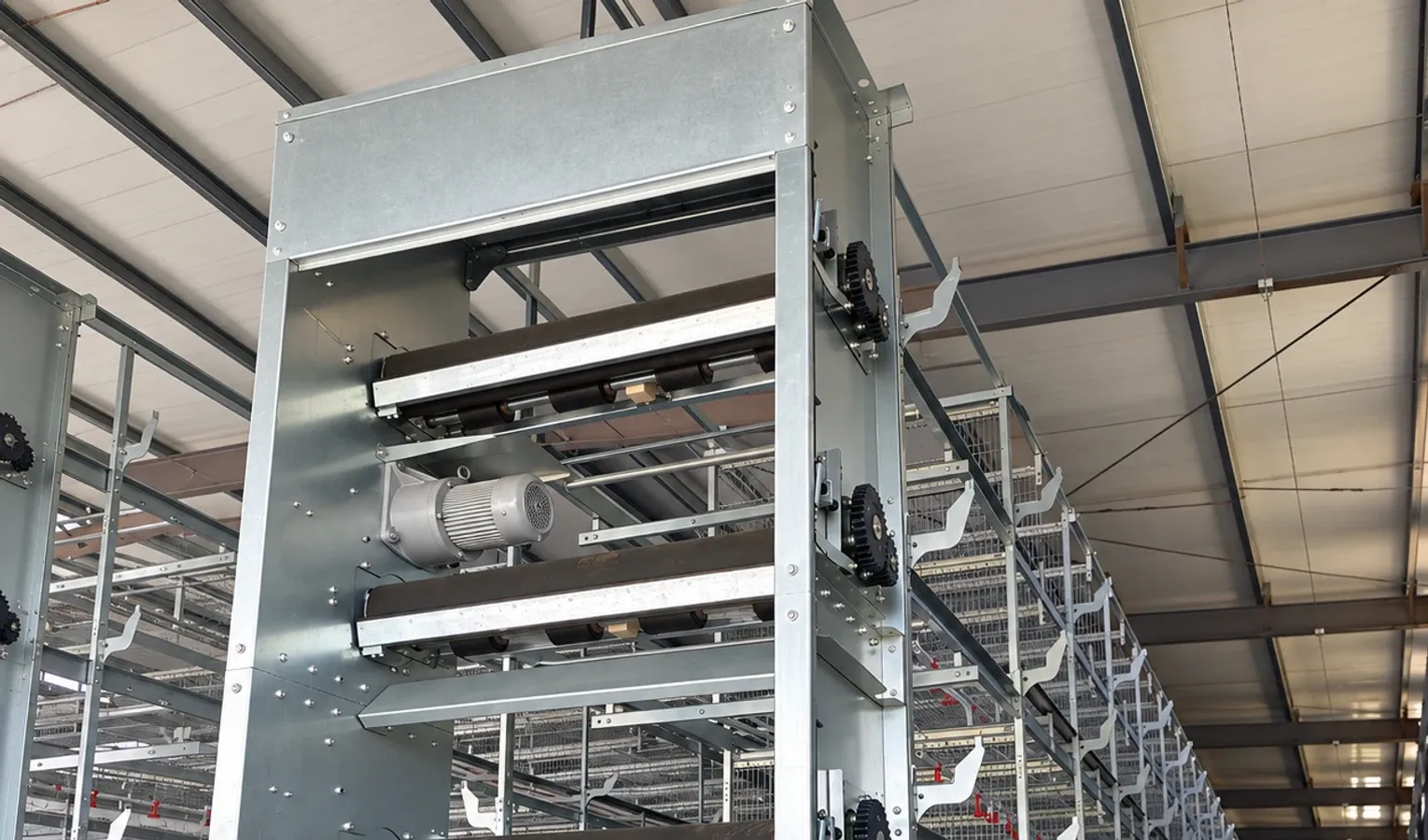
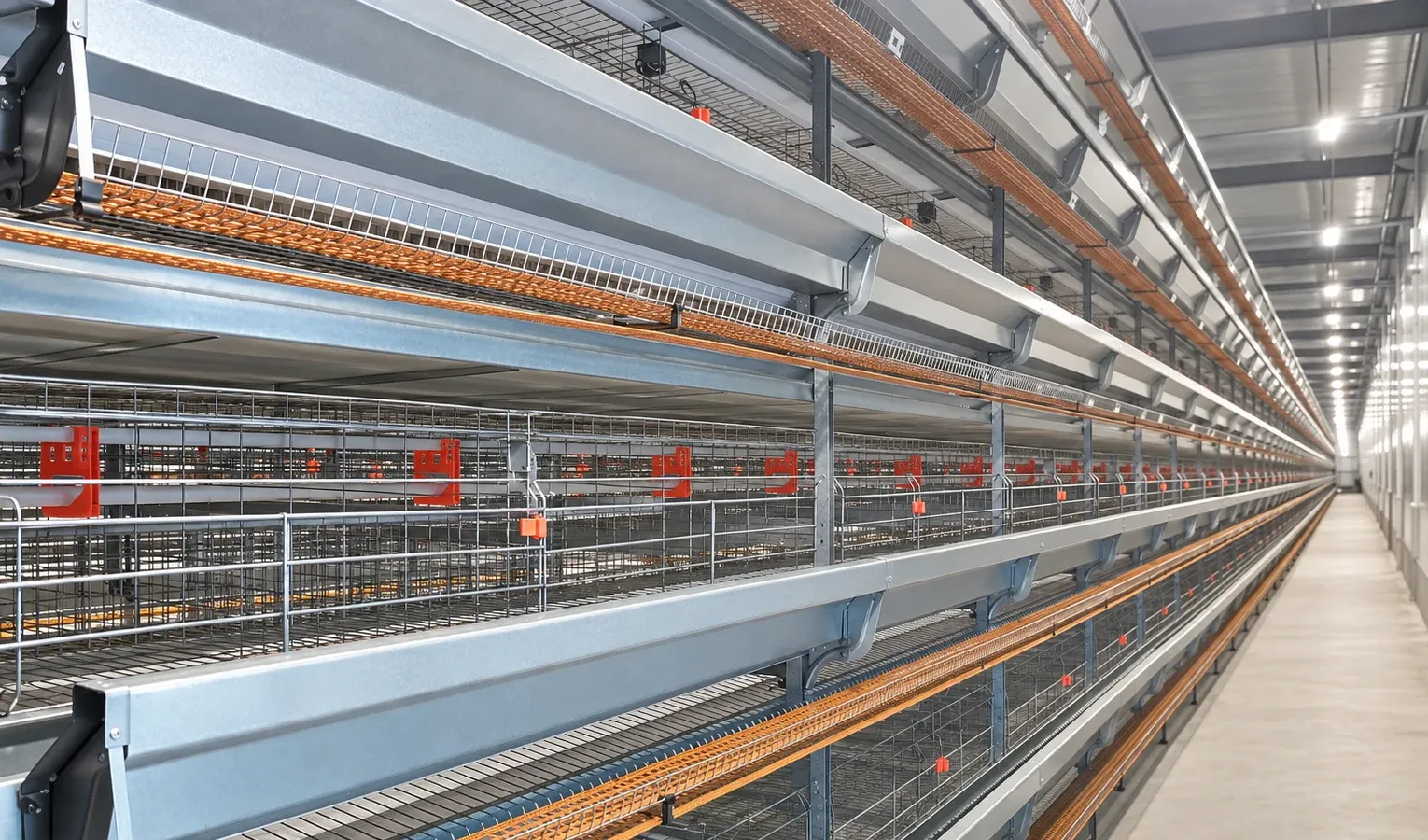
Inspect accessible troughs or pans, joints, supports and moving components. Check whether feed is distributed consistently along the line. Settings and adjustments should follow the installed equipment's instructions. If a problem repeatedly appears at the same location, document it and ask for a mechanical assessment instead of compensating with repeated timer changes.
Account for the feed being used
The delivery system must be suitable for the form and characteristics of the feed. Tell the equipment supplier what is normally used and whether the farm expects changes. Observe material at transfer points and at the end of the line. Ask the nutrition adviser before making diet changes to solve what may be a delivery or equipment issue.
Measure improvement consistently
Use feed delivery and stock records, the actual flock count and comparable time periods. Record maintenance or management changes alongside the figures. A difference between two days may reflect delivery timing or a stock adjustment rather than improved efficiency. Look for a sustained pattern and investigate unexpected changes rather than claiming savings from a single observation.
Make good operation repeatable
Train operators in the same inspection and adjustment routine. Keep essential spare parts and note the settings agreed at commissioning. A simple checklist helps the next shift identify a change early. When upgrading equipment, ask which parts of the existing system will be reused and which interfaces are changed so a new feeder does not inherit an unresolved upstream problem.
Visual checklist
Related reading
Poultry Feeder Management: Finding and Reducing Waste
Automatic Poultry Feeding: Layout and Labour Planning
Further reading
Use the management guide for the actual breed, age and housing system when selecting flock targets. Review changes with the farm team and the relevant nutrition, health or equipment specialist.