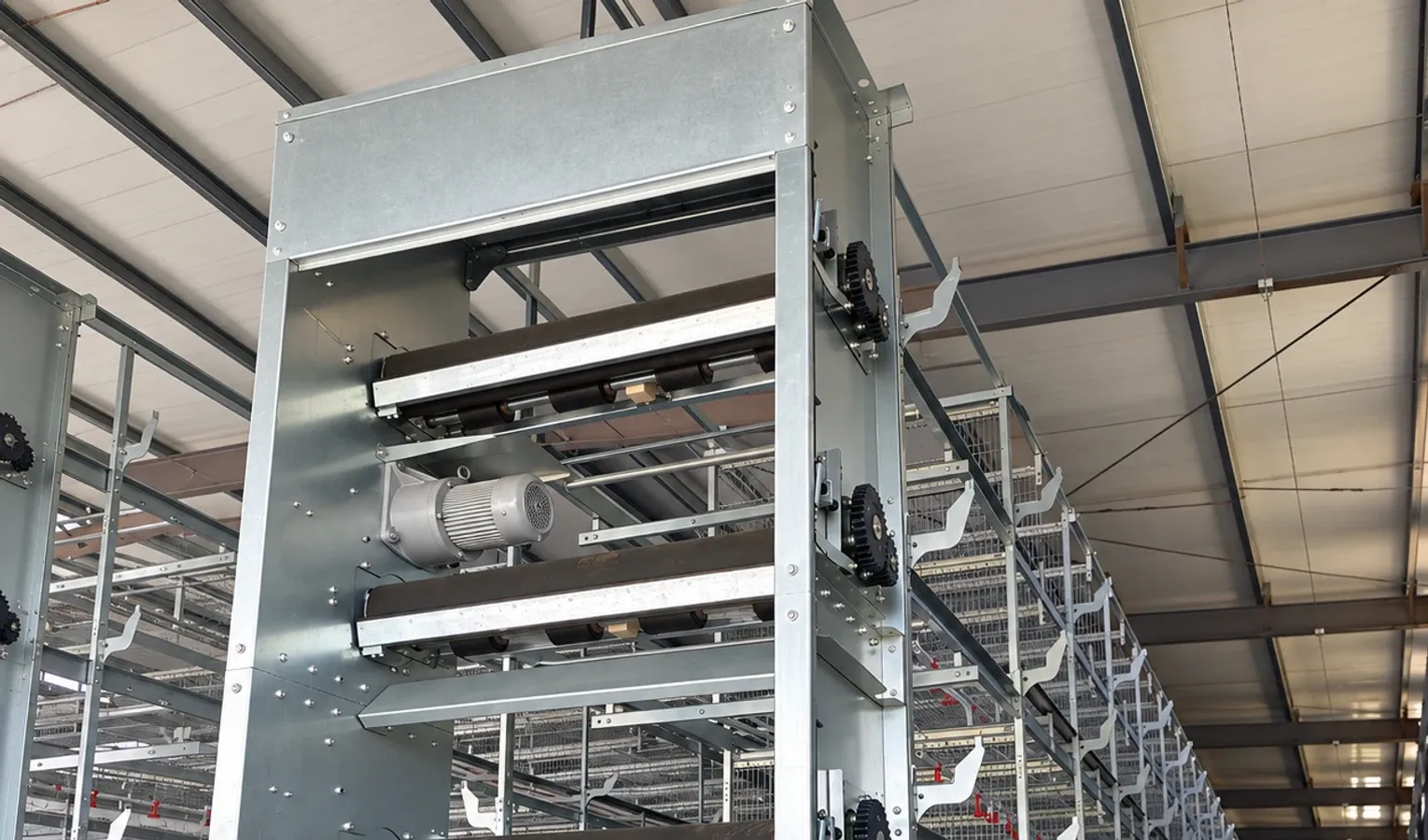
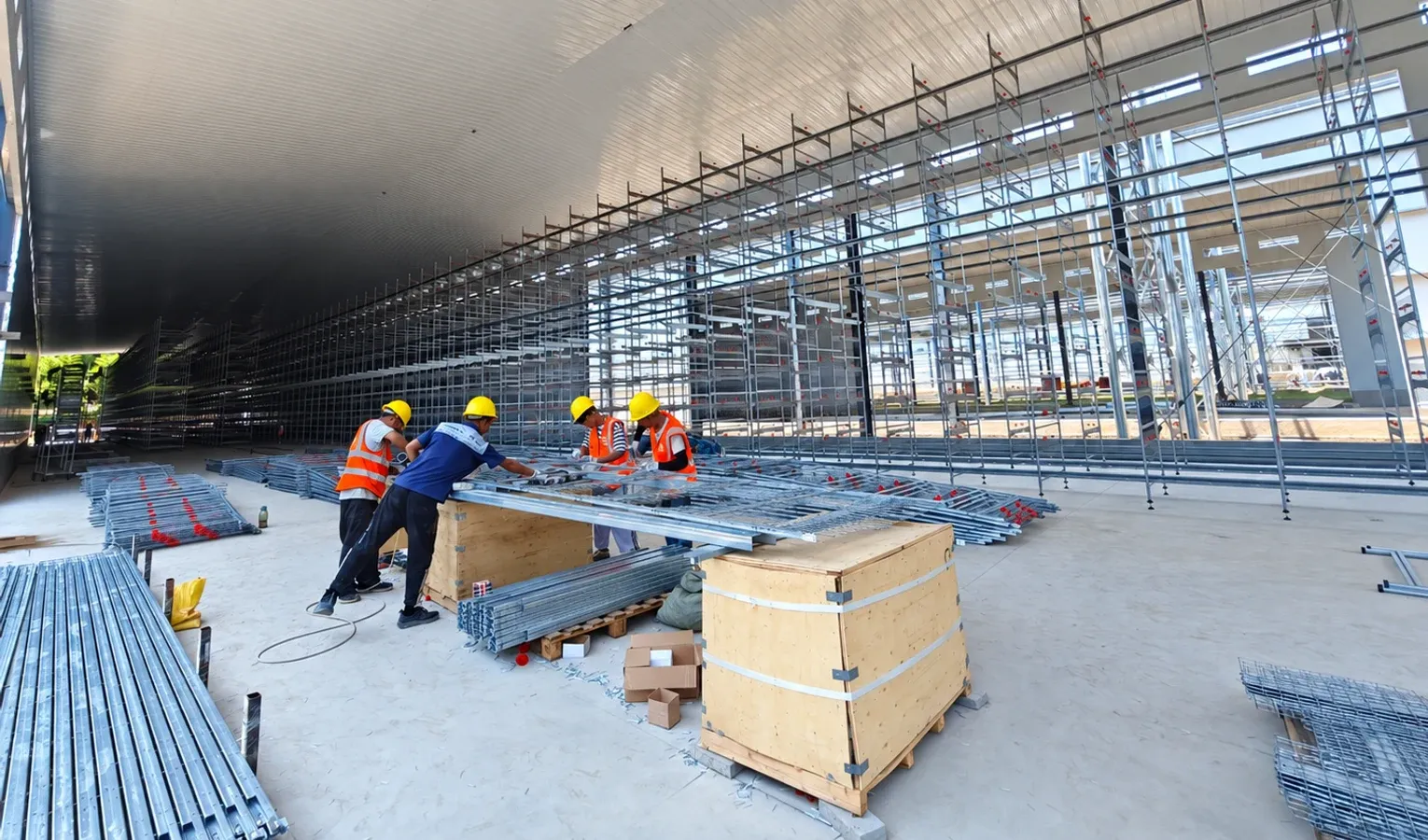
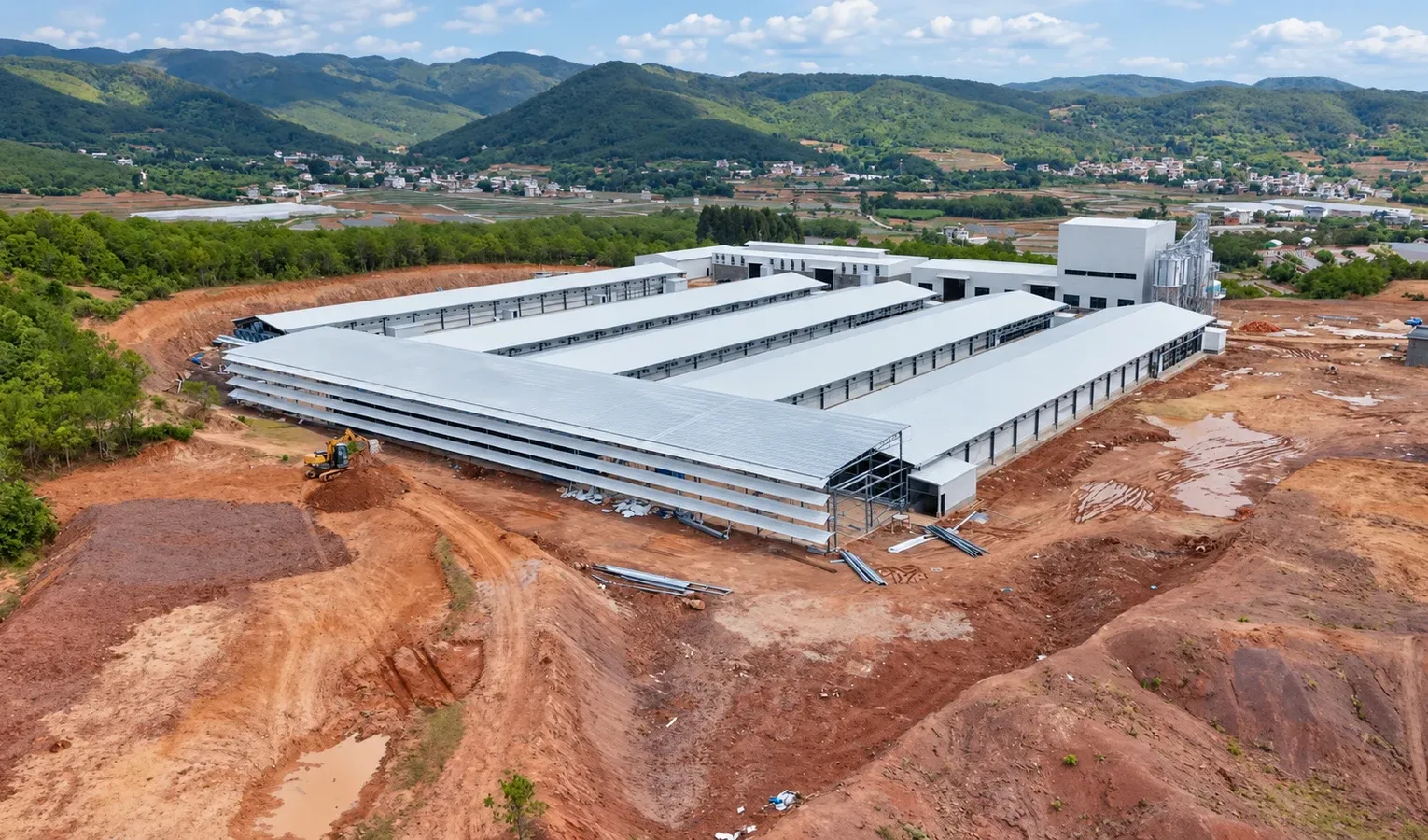
At a glance. Inspect feeder access, fill levels, feed condition and operating records to locate waste and evaluate changes in a commercial poultry feeding system.
Ask any producer where the money goes and the answer is always the same: feed. On most commercial layer and broiler operations, feed represents roughly 65-70% of total running cost, which means it is also the single line item where careless habits do the most damage. A flock that wastes even a small fraction of its ration is quietly eroding margin every single day, and because the loss is spread across thousands of birds and dozens of feedings, it rarely announces itself. The good news is that feeder waste is one of the most controllable costs on the farm. Get the hardware, the fill level, and the routine right and you can save 10% or more of your feed bill with no change to genetics, formulation, or bird numbers.
Why Feed Waste Hits the Bottom Line Hardest
Because feed is such a large share of cost, a percentage saved on feed is worth far more than the same percentage saved on almost anything else. If feed is 70% of running cost and you trim waste by 10%, you have just cut total operating cost by roughly 7% in one move. That is the kind of improvement that separates a profitable house from a break-even one. Every gram raked onto the floor is a gram you paid for, transported, and stored, and it returns nothing.
The One-Third Rule for Filling Feeders
The most common and most expensive mistake is over-filling. When a trough or pan is topped up to the brim, birds bill the feed sideways as they eat, flicking it over the edge in a behaviour known as billing-out. The fix is simple discipline: fill each feeder to no more than one-third of its depth per feeding.
- Shallow feed, deep savings — a trough filled one-third full keeps feed below the lip where birds can only peck downward, not rake outward.
- Refill on a schedule, not a whim — resist the urge to top up "so it lasts"; that convenience is exactly what causes spillage.
Get the Trough Lip and Rim Geometry Right
Feeder geometry does a surprising amount of the work for you. Set the trough so its lip sits about 3 cm above the bird's back. At that height birds must reach up and in to feed, which naturally keeps grain inside the pan rather than scattering it forward.
- Height above the back — a lip roughly 3 cm over the back line dramatically reduces raking and floor loss.
- Inward-turned rim — an anti-waste edge that curls back over the feed acts as a lip that catches billed grain and returns it to the trough.
Together, a correct height and an inward rim can eliminate a large share of mechanical spillage before you change anything else.
Feed Little and Often
Birds waste less when they are moderately hungry and the trough is not a standing buffet. A little-and-often routine keeps feed fresh, keeps birds interested, and empties the trough between meals. A practical target is 3-4 feedings per day, with the birds cleaning the trough down in about 20 minutes each time.
- Clean-up cadence — if the trough empties in roughly 20 minutes, portioning is about right.
- Trough cleared between meals — an empty trough before the next feed means fewer fines and stale feed accumulating in the corners.
If feed is always sitting in the pan, cut the portion. If birds are frantic and crowding, add a little. The 20-minute clean-up is your feedback signal.
Adjust Feeder Height as Birds Grow
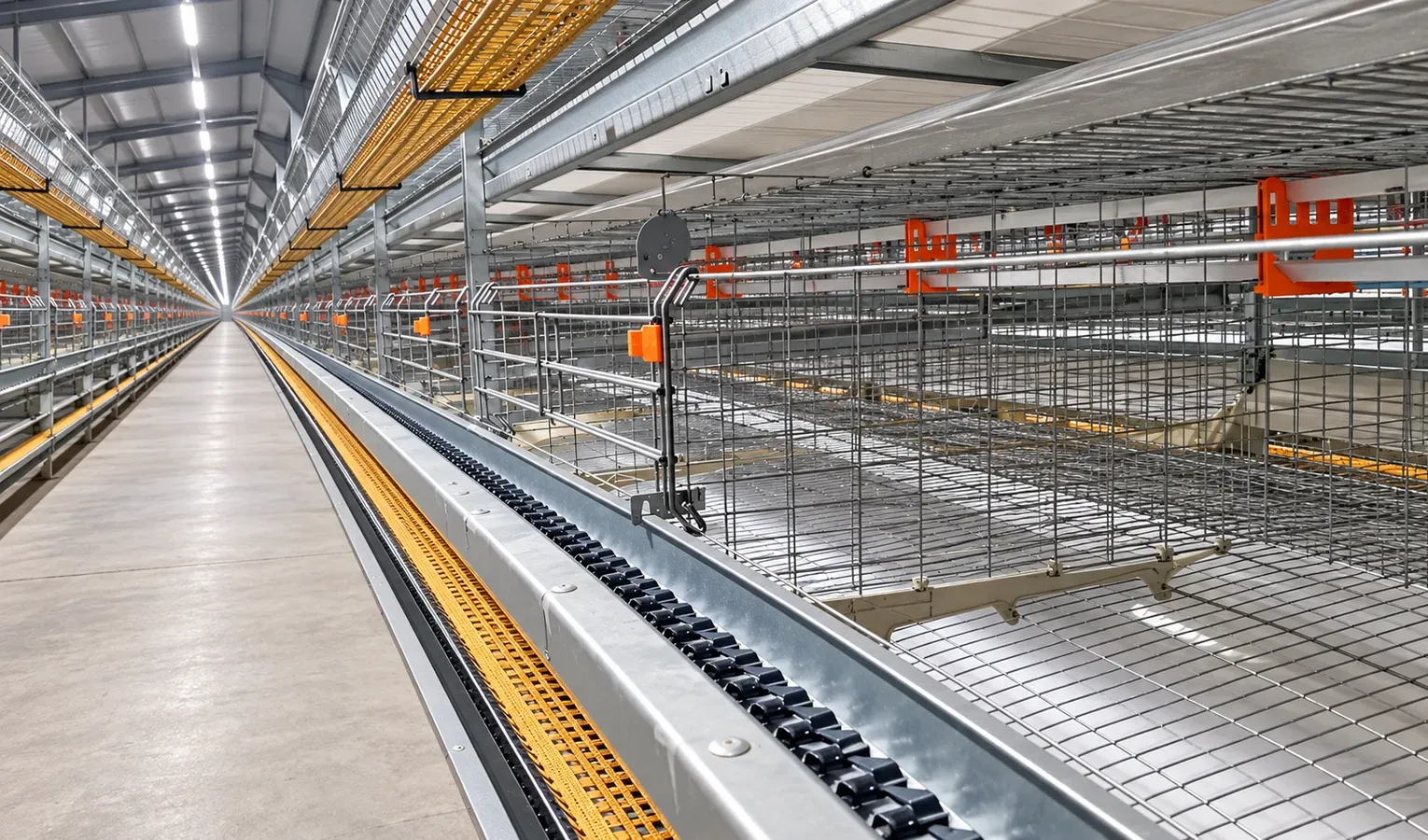
Birds are not a fixed size, and neither should your feeder height be. A pan or trough set correctly for young pullets will be far too low by the time they are in lay, inviting them to stand in it, foul it, and rake feed out. Re-check and raise feeder height regularly through the growing period so the lip stays at that 3 cm above the back target as the flock develops. In cage systems, verify trough height against the birds' actual reach at each life stage rather than setting it once and forgetting it.
Manage Feed in Hot Weather
Heat changes everything about intake. When temperatures climb, birds eat less, and feed intake commonly falls by 10-20% in hot conditions. If nothing else changes, that drop cuts the energy each bird takes in and hurts production. Two adjustments help:
- Raise energy density — adding 1-2% fat or oil to the ration lets birds hit their energy target on less feed, and fat also produces less metabolic heat during digestion than starch.
- Feed the cool hours — shift more of the daily ration to the cooler parts of the morning and evening when birds are willing to eat, rather than pushing feed during the midday peak.
Feeding cooler parts of the day also means feed sits in the trough for less time in the heat, reducing spoilage.
Particle Size, Pellet Quality, and Fines
A lot of "waste" is really the dusty fraction birds refuse to eat. Fines and powder sift to the bottom of the pan and get abandoned or blown out. Correct particle size and good pellet durability keep the ration uniform, so birds consume the whole portion instead of picking out the pieces they like.
- Fewer fines, less refusal — a durable pellet or an evenly ground mash reduces the dusty layer birds leave behind.
- Uniform particle size — consistent geometry stops selective feeding, where birds eat the tasty coarse bits and leave the balanced remainder.
Ask your mill about pellet durability and grind consistency; small changes at the feed line show up as less waste in the pan.
Don't Let Storage Eat Your Feed
Waste does not only happen at the trough. Feed can be lost long before it reaches a bird if storage is poor. Rodents, wild birds, and moisture are the three thieves.
- Rodents and wild birds — a single rat colony can consume and contaminate a meaningful volume of feed over a season; seal bins and bags and keep spillage cleaned up so you are not running a free buffet.
- Moisture and mould — damp feed cakes, spoils, and can turn toxic; keep storage dry, off the floor, and rotated first-in-first-out.
Keep Feeders Clean and Maintained
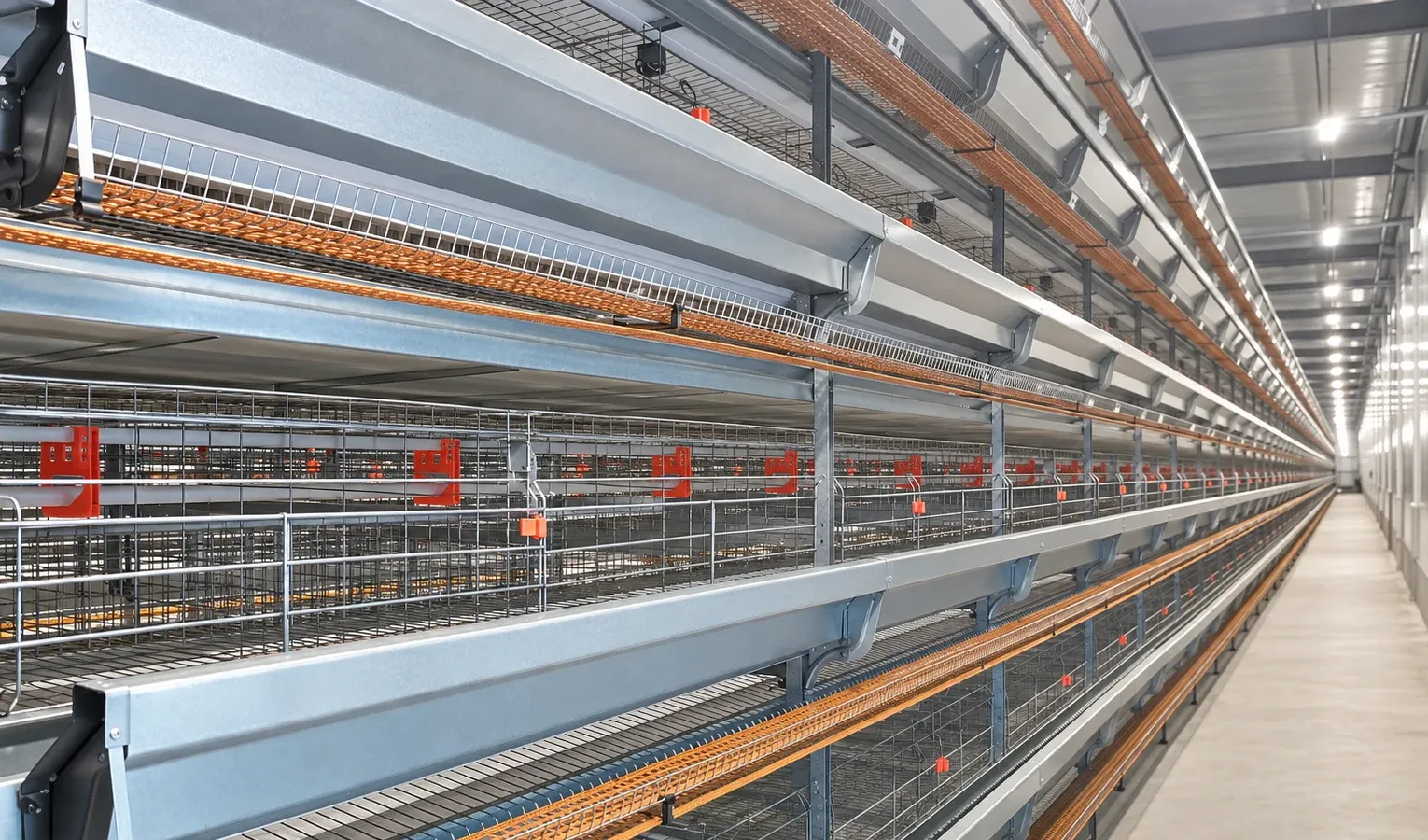
Caked feed, cracked pans, and misaligned troughs all cause loss. Old feed stuck in corners goes stale and puts birds off the fresh ration on top of it. A cracked or warped pan spills continuously. Walk the line regularly, clear out stale accumulation, and repair or replace damaged feeders so the geometry you set up actually holds.
Match Feeder Space to the Flock
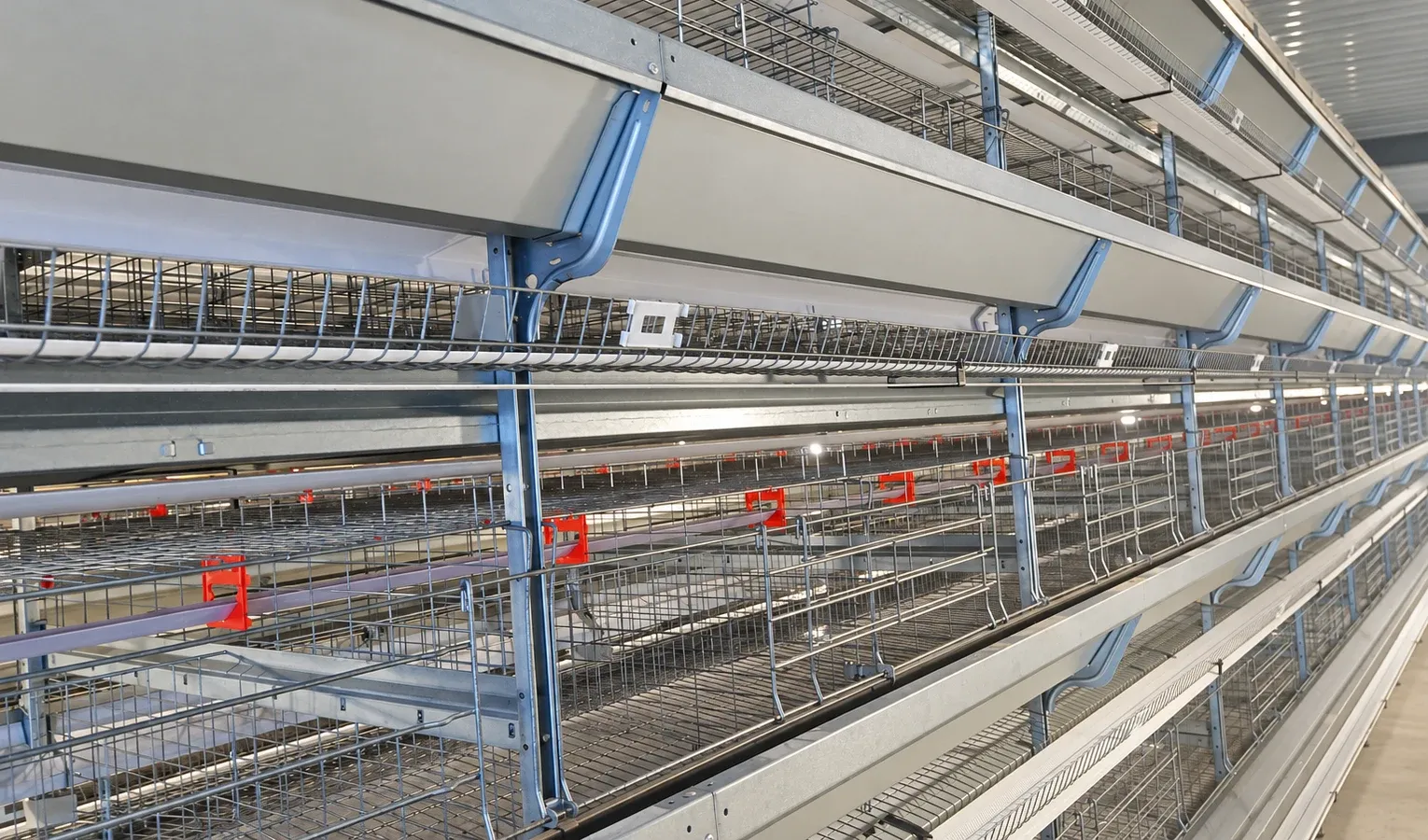
Too little feeder space causes crowding, aggression, and frantic feeding that flings grain everywhere; too much invites birds to stand in and foul the feed. Provide the feeder space appropriate for your birds' age and housing so every bird can eat calmly. Calm birds waste less than competing birds.
- Even distribution — a well-designed line delivers feed uniformly along its length so birds at the far end are not left short and scrambling.
- Access for every bird — enough space that timid birds can reach the trough reduces both waste and the flock unevenness that hurts overall performance.
Watch the Behaviour, Not Just the Numbers
Some of the best waste detection happens by simply standing in the house at feeding time and watching. Birds that fling their heads sideways are billing feed out; birds standing in the pan mean the feeder is too low; a floor dusted with grain under a particular feeder means that unit is over-filled, cracked, or misaligned. These visual cues appear immediately, long before a monthly feed-conversion figure would flag the same loss. A few minutes of observation at each feeding, walking the full length of the line, is among the cheapest diagnostics you have.
Measure, Then Manage
You cannot manage what you do not measure. Track feed delivered against birds housed and eggs or gain produced, and watch your feed conversion over time. A sudden worsening in conversion with no change in production is often a waste problem hiding in plain sight — an over-filled line, a dropped feeder, a rodent breach, or a batch heavy in fines. Regular walk-throughs at feeding time, watching how birds actually eat, will tell you more than any spreadsheet about where grain is going on the floor.
Bringing It Together
None of these steps is expensive or complicated on its own. Fill to one-third, keep the lip about 3 cm above the back with an inward rim, feed 3-4 times a day to a 20-minute clean-up, raise feeder height as birds grow, add 1-2% oil and shift feeding to cool hours when it is hot, tighten up particle size, and shut the door on rodents and moisture. Stack these habits and the combined effect is that recoverable 10% or more of a feed bill that already dominates your costs.
If you are reviewing your feeding setup and want to see how modern trough and pan designs handle fill level, lip height, and anti-waste rims, explore our feeding equipment or talk with our team about matching feeder geometry to your flock. For more on the input that pairs with feed, take a look at our related guides on water quality and daily intake.
Visual checklist
Related reading
Reducing Poultry Feed Waste: Inspection and Records
Pellet, Mash or Crumble: Comparing Poultry Feed Forms
Further reading
Use the management guide for the actual breed, age and housing system when selecting flock targets. Review changes with the farm team and the relevant nutrition, health or equipment specialist.