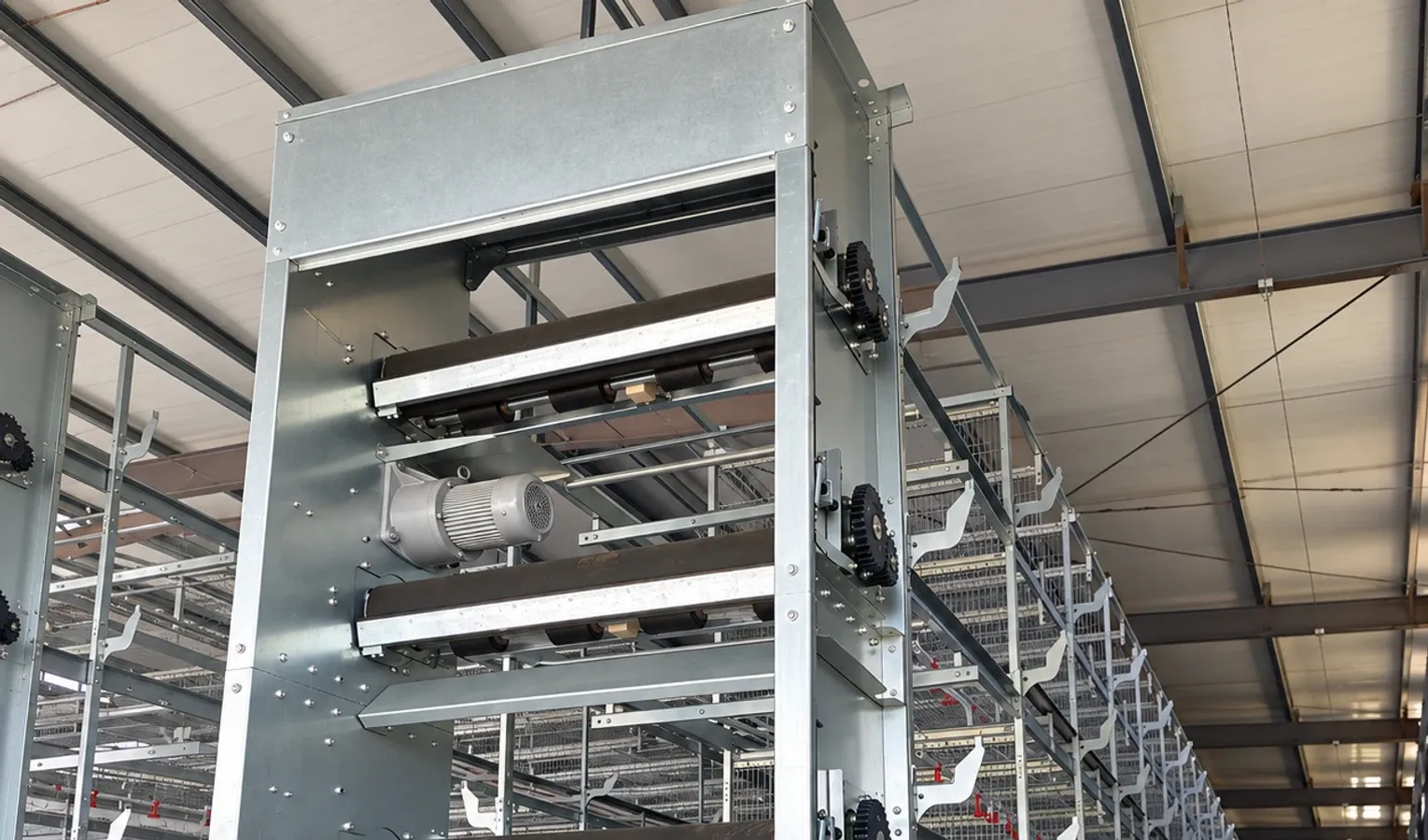
At a glance. Compare feed forms through bird age, particle size, fines, storage and delivery, and assess performance using records from the actual flock.
Two bags of feed can carry identical nutrition on the tag and still perform very differently in the house. The difference is physical form. Whether feed reaches the bird as a fine mash, a compact pellet, or a broken-down crumble changes how much the bird eats, how much it wastes, and how evenly it consumes a balanced ration. Feed form is one of the most underrated levers in poultry production: moving from mash to pellets can trim feed waste by 15-20% and raise broiler weight gain by 5-8%. But pellets are not free, and mash has its place. Here is how to weigh the choice.
Feed Form Is a Performance Variable
Nutritionists obsess over protein and energy, but the bird also responds to texture. Form affects intake rate, how selectively a bird can pick through the feed, feed density in the gut, hygiene, and dust. Treating feed form as a deliberate choice — not an afterthought of the mill — is the starting point for getting it right.
- Form drives intake, selective feeding, density, hygiene and dust
- Same nutrition, different performance
- A deliberate lever, not a mill default
What Pelleting Actually Does
Pelleting grinds and conditions the mash, then forces it through a die under heat and pressure to form dense cylinders. The process binds ingredients together so the bird cannot separate them, kills some pathogens, and increases bulk density. That physical binding is the root of most of the performance advantages that follow.
- Heat and pressure bind ingredients into dense pellets
- Prevents the bird from separating components
- Improves hygiene and bulk density
The Waste and Density Advantage
Because a pellet holds the whole formula together, the bird gets a complete mouthful every time and spills less. Feed waste drops by 15-20% compared with mash. Higher density also means more nutrients per bite, so the bird takes in more of a balanced ration in the same feeding effort. Less on the floor, more in the bird.
- Feed waste down 15-20% versus mash
- Higher density delivers more nutrients per bite
- Complete formula in every mouthful
Performance Gains From Pellets
The waste and intake advantages translate into measurable output. Broilers on pellets show weight gain up by 5-8% relative to mash, and layers can lift egg production by 3-5%. For fast-growing meat birds especially, the efficiency of eating a dense, non-selectable feed compounds over a short grow-out into a meaningful difference at slaughter.
- Broiler weight gain +5-8% on pellets vs mash
- Layer egg production +3-5% on pellets
- Gains compound over the production cycle
Ending Selective Feeding
Given a mash, birds are natural pickers — they eat the palatable, larger particles and leave the fine powder, which is often where minerals and additives concentrate. That means the bird eats an unbalanced diet even though the formula was balanced. A pellet locks everything together, so every bite carries the intended nutrient profile. This anti-selection effect is one of the biggest hidden wins of pelleting.
- Mash lets birds leave the fines, unbalancing intake
- Fines often carry minerals and additives
- Pellets stop selective feeding and deliver the intended profile
Hygiene, Dust and the Barn Environment
Pelleting's heat treatment reduces pathogen load, and the compact form produces far less dust than mash. Less dust means a cleaner respiratory environment for the birds and the people working the house, plus less feed lost to the air. These are real welfare and working-condition benefits that rarely show up in a feed-cost spreadsheet.
- Reduced dust improves air quality for birds and workers
- Heat treatment lowers pathogen load
- Less feed lost as airborne fines
The Cost and Energy Downside
Pellets earn their keep but they are not free. Pelleting adds equipment, energy, and processing cost at the mill, and every batch consumes power to condition and press. Mash is cheaper to produce because it skips that step entirely. The decision is an economic one: do the performance gains outrun the added processing cost for your birds and your market?
- Pelleting adds equipment, energy and processing cost
- Mash is cheaper to produce
- The choice is ultimately an economic trade-off
Pellet Durability and the Fines Problem
A pellet is only as good as it stays. If pellets crumble in handling and transport, you are back to feeding mash — plus dust. Pellet quality is measured by the pellet durability index (PDI): a PDI above 90 is considered good, and you want fines below 10% by the time feed reaches the bird. Poor durability quietly erases the very benefits you paid to create.
- PDI above 90 indicates a durable pellet
- Keep fines below 10% at the point of feeding
- Fragile pellets give back the gains of pelleting
Getting Pellet Size Right
Physical dimensions matter. The optimal pellet diameter of about 2-2.83 mm gives the best feed conversion for the bird, while the corn or grain going into the mix is typically ground to 3-5 mm before pelleting. Match pellet size to the bird's beak and swallowing capacity, and the ration flows in efficiently; get it wrong and intake or waste suffers.
- Optimal pellet diameter 2-2.83 mm for best FCR
- Corn grind 3-5 mm feeding into the pellet
- Size the pellet to the bird's beak and stage
Crumble for Young Chicks
Newly hatched chicks cannot handle a full-size pellet, so pellets are broken back down into crumble — a coarse, granular form that small beaks can manage while still capturing pelleting's anti-selection and hygiene benefits. Crumble bridges the gap between a chick's tiny mouth and the advantages of a bound, complete feed, which is why starter diets so often come in crumble form.
- Crumble for young chicks, sized to small beaks
- Keeps pelleting's anti-selection and hygiene benefits
- The standard form for starter diets
When Mash Still Makes Sense
Mash is not simply the loser. It is cheaper to make, and the slower, more selective eating it encourages can be useful — for example where you want to moderate intake or manage body weight. Some strains and situations perform perfectly well on a good mash. The point is not that pellets always win, but that form should be chosen for the bird, the goal, and the budget.
- Mash is cheaper and needs no pelleting line
- Slower, selective eating can help control intake or body weight
- Feed form interacts with beak type and particle preference
The Hidden Cost of Fines
Fines — the powdery material that breaks off pellets — are where the economics can quietly leak away. Every percentage point of fines above the 10% target is feed the bird eats selectively or wastes, plus dust in the air and on equipment. Fines also unbalance intake in exactly the way pelleting was meant to prevent, so a poorly durable pellet delivers the cost of pelleting with the drawbacks of mash. Screening fines out and recirculating them, along with a good binder and proper conditioning, keeps the finished feed doing its job.
- Fines above 10% erode the benefits you paid for
- They create dust and reintroduce selective feeding
- Good conditioning, binders, and screening keep fines in check
Storage and Handling Matter Too
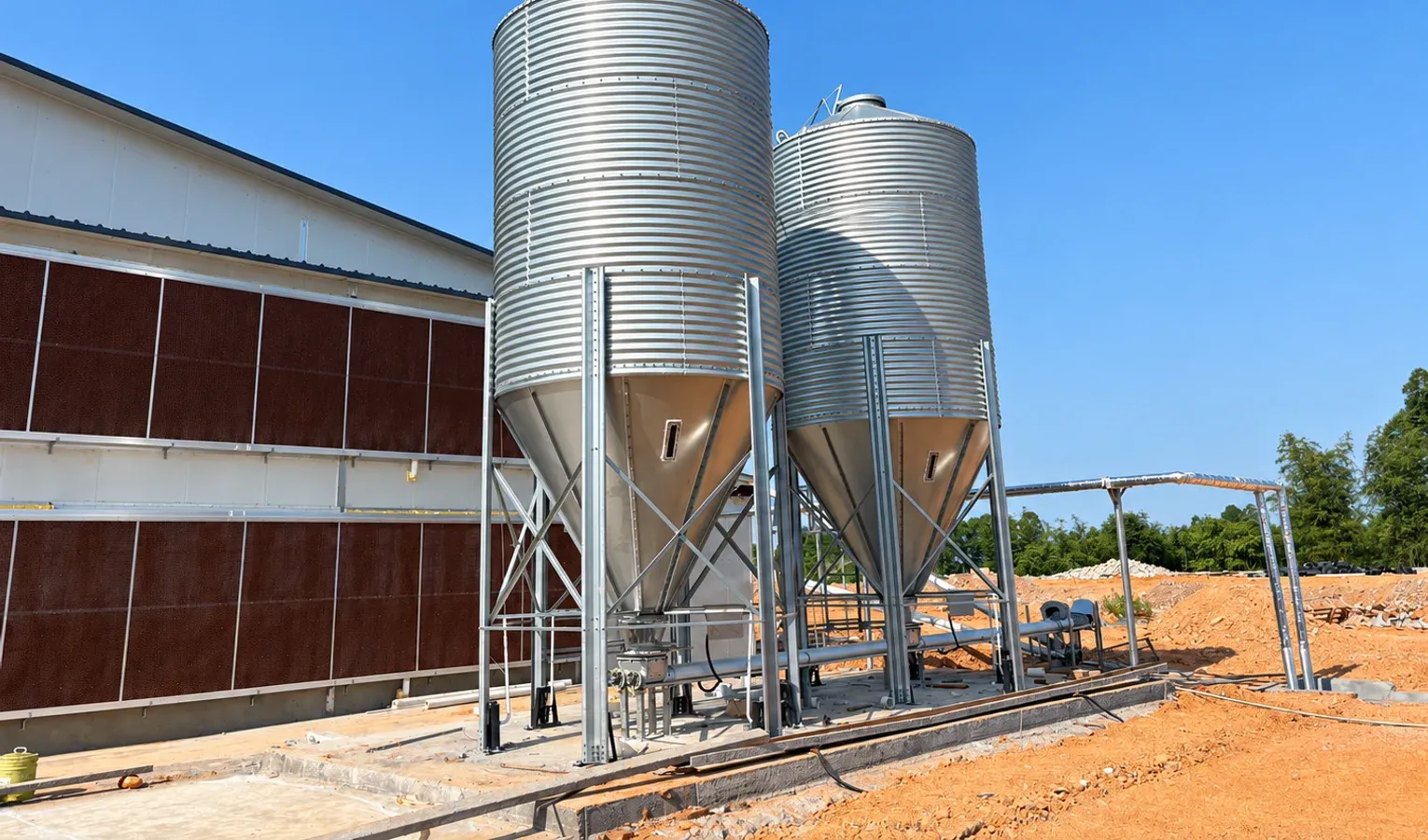
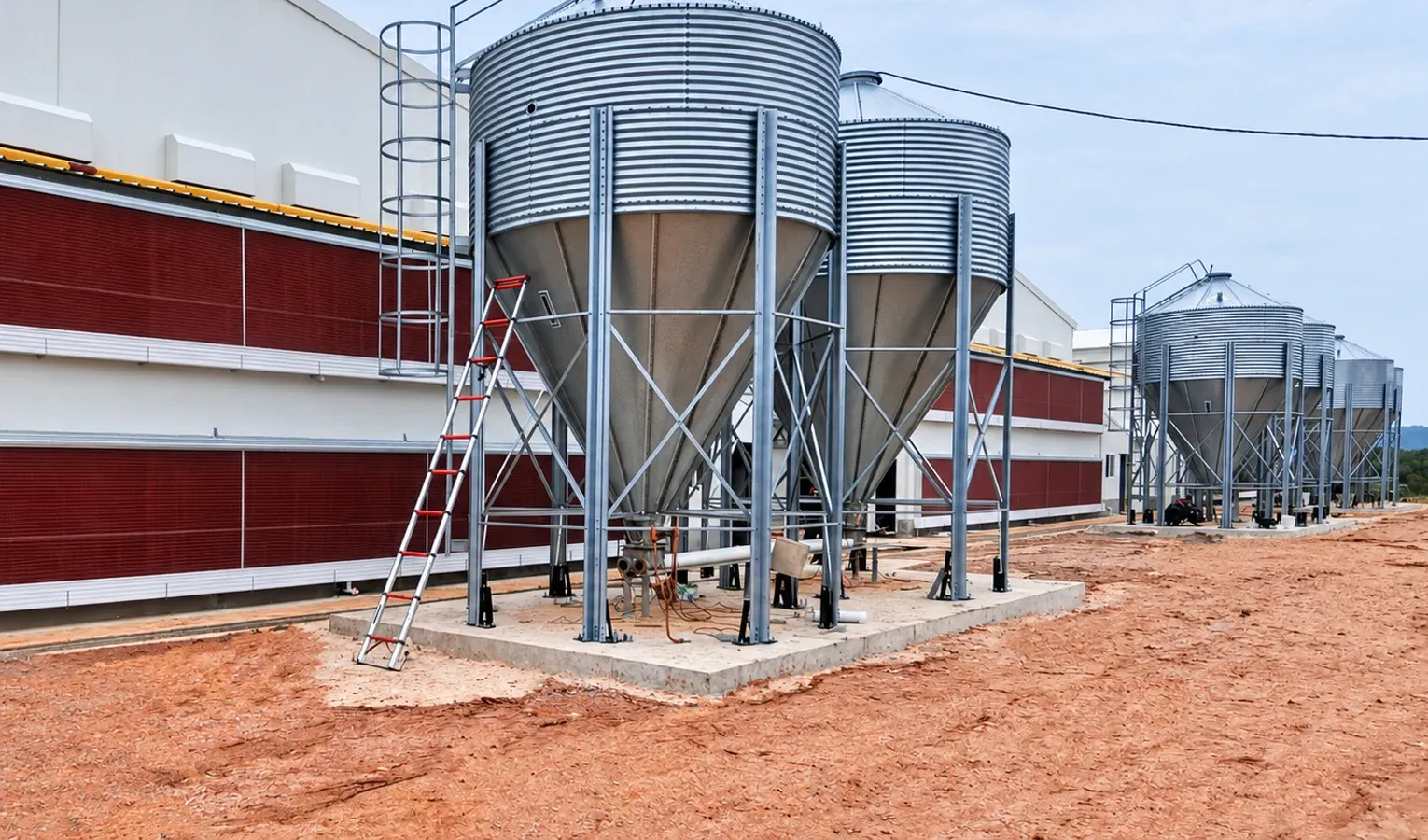
Feed form interacts with how feed is stored and moved. Pellets survive augering and transport better than a mash that separates and dusts, but they still degrade with rough handling, moisture, and long storage. Mash can bridge or separate in bins if moisture creeps in. Matching your silo, auger, and feed-line design to the feed form protects the quality you built at the mill all the way to the trough.
- Pellets handle and transport better but still degrade with abuse
- Moisture and rough augering create fines and separation
- Match storage and feed-line design to the feed form
Making the Call for Your Flock
The right feed form is the one whose gains beat its costs in your specific situation: bird type, age, mill capability, feed-handling chain, and market all feed into it. A pellet that arrives as fines helps no one, and a cheap mash that birds pick through wastes its own balance. Every figure here is a typical range that shifts with species, strain, and equipment, so consult your breed guide or a local nutritionist or vet when you set your feeding program.
- Weigh performance gains against processing cost
- Consider bird type, mill capability and handling chain
- Treat figures as typical ranges and confirm with your breed guide or a nutritionist/vet
Feed form is where nutrition meets engineering — the best formula in the world still has to arrive in the bird in a shape it will eat cleanly and completely. If you are weighing pellet versus mash and want feeding and storage equipment that keeps feed in good condition and minimizes waste from mill to trough, explore our feeding-system range or talk with our team about matching equipment to your feed program.
Visual checklist
Related reading
Broiler Feeding Phases: Starter, Grower and Finisher
Poultry Feeder Management: Finding and Reducing Waste
Further reading
Use the management guide for the actual breed, age and housing system when selecting flock targets. Review changes with the farm team and the relevant nutrition, health or equipment specialist.