At a glance. Map feed storage and delivery, match the mechanism to the house and review labour tasks, distribution checks and maintenance before automating feeding.
Feed is the single largest running cost on any poultry farm, and manual feeding wastes both feed and labor. An automatic feeding line delivers a precise ration to every cage on schedule, reducing waste and freeing your team for higher-value tasks.
We break down how automatic feeding works, the payback period versus manual feeding, and what to look for when specifying a system for layer or broiler houses.
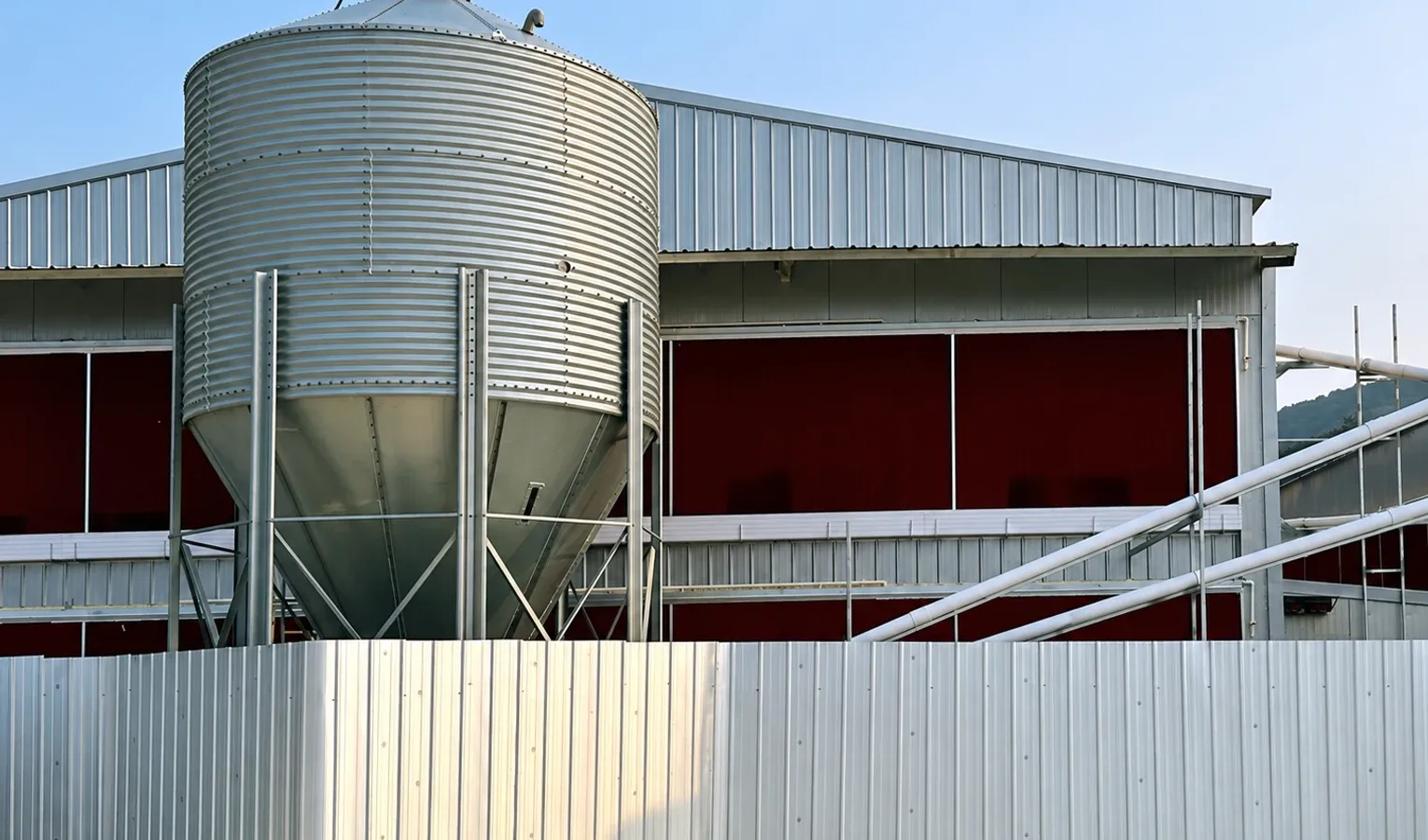
Map feed from storage to the last trough
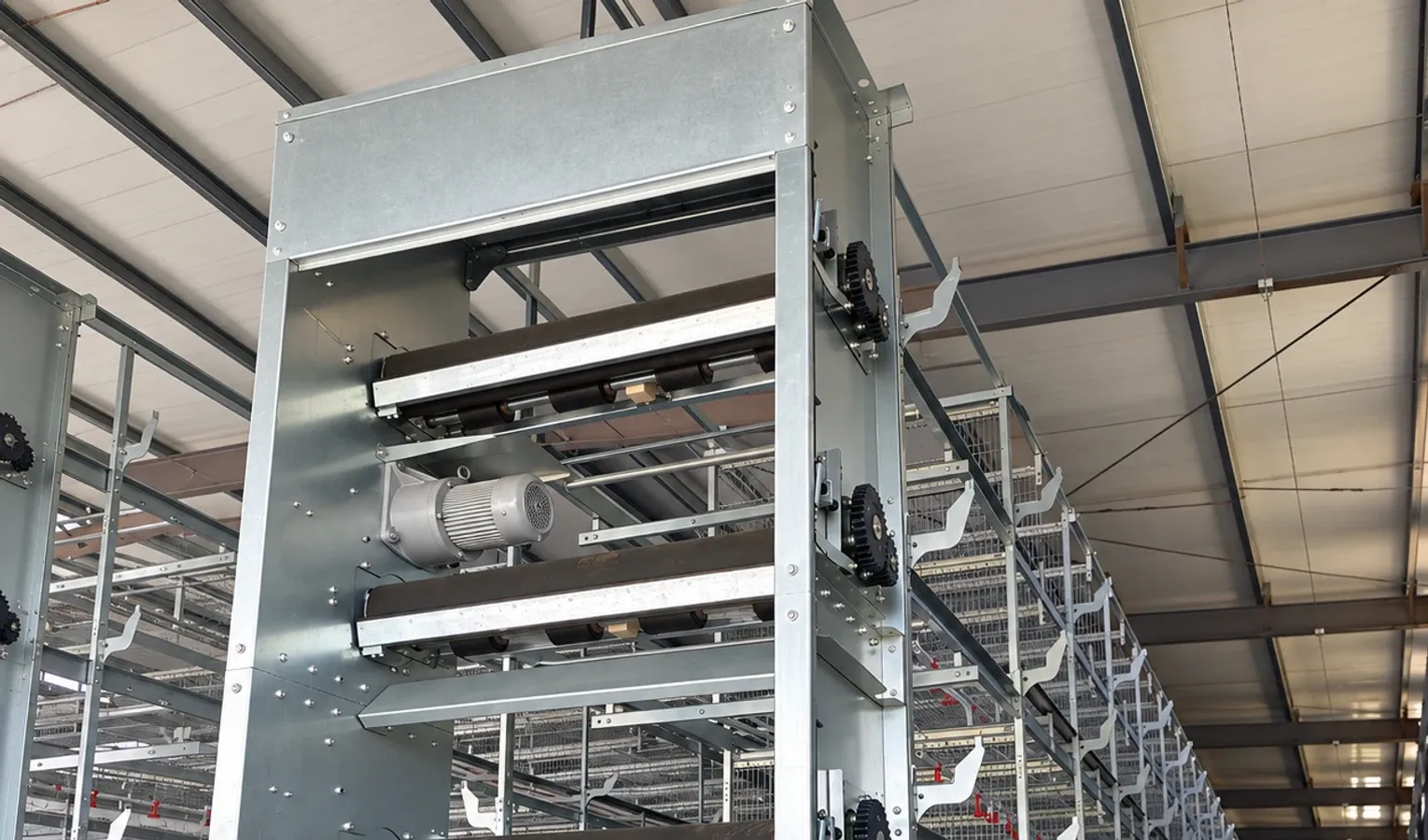
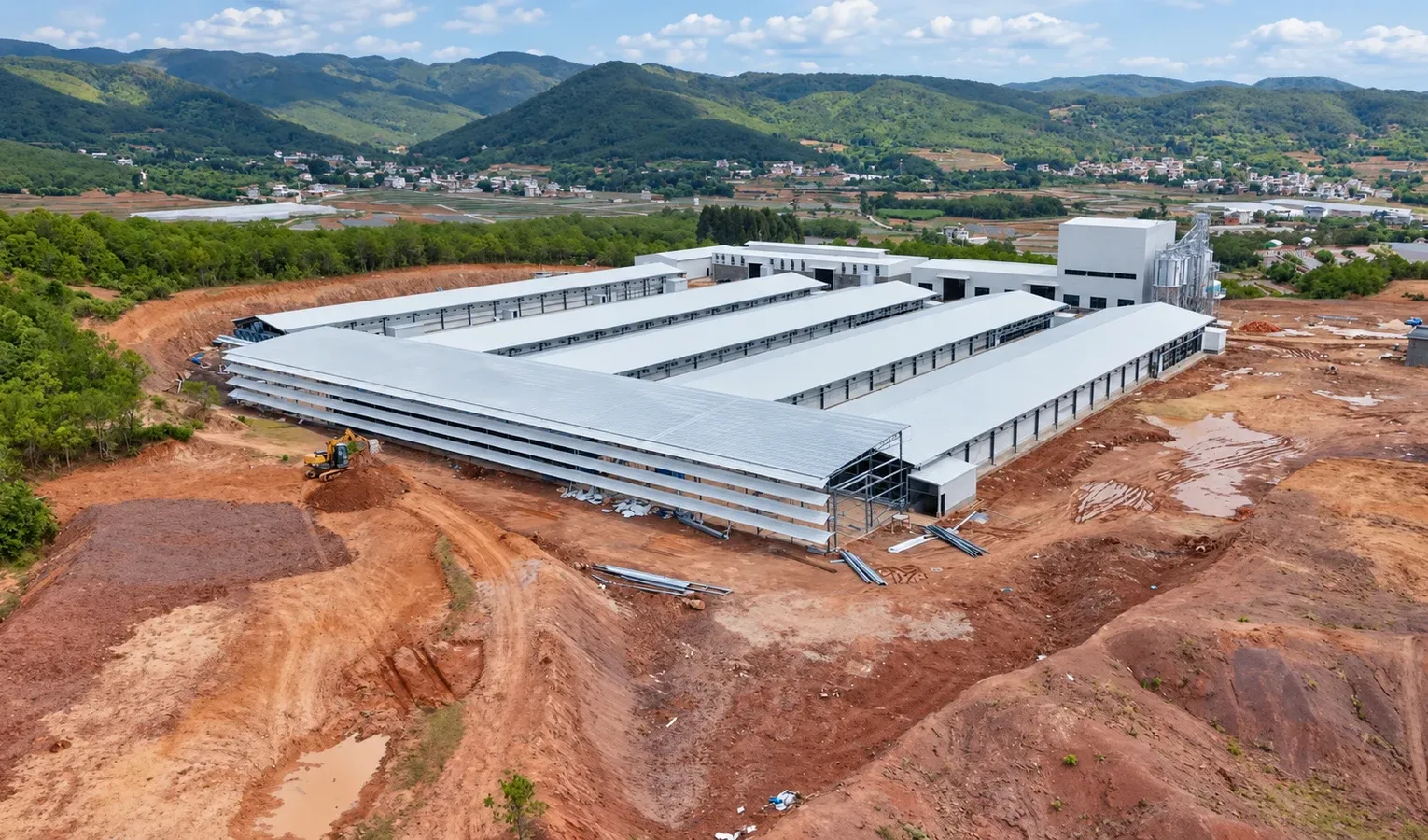
An automatic feeding system is a delivery chain. It can include a silo, transfer equipment, a hopper, distribution drives and troughs or pans. Establish which of those items are already present and which must be supplied. For a long house, ask how the selected arrangement delivers feed to the far end and how the operator confirms that every row has received it.
Match the mechanism to the housing
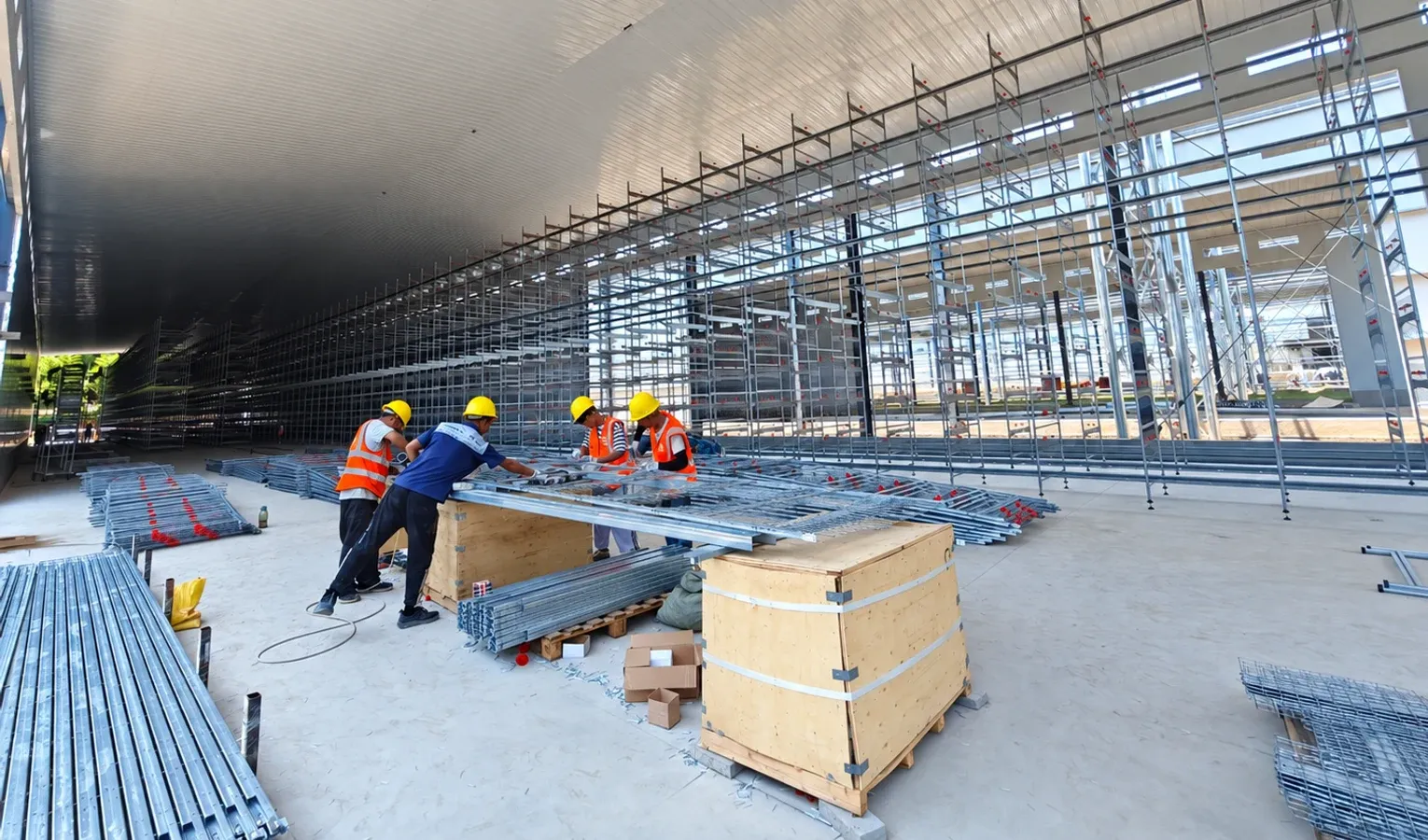
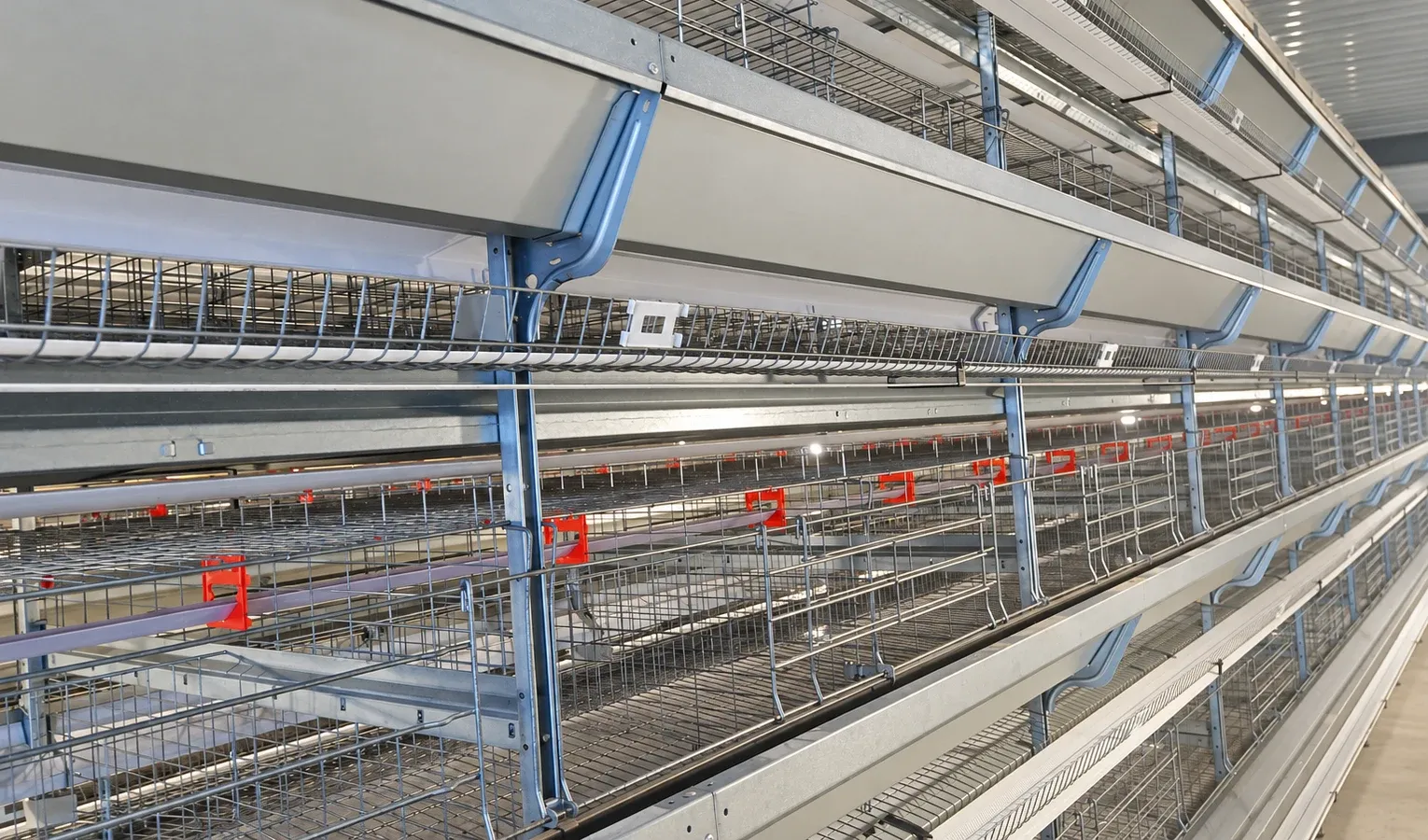
Cage houses may use travelling hoppers or chain distribution, while floor houses commonly use pan feeding lines. These arrangements are not interchangeable simply because both are described as automatic. The cage front, aisle width, feed form and flock age influence the choice. Obtain a drawing and an operating description for the actual layout being quoted.
Calculate labour around real tasks
Automation changes the work; it does not remove the need for trained staff. Workers still receive feed, inspect delivery, check controls and clean equipment. Write down the present tasks and identify which will change after installation. Compare time spent on those tasks over a normal working week instead of accepting an unsupported percentage saving.
Commission distribution before placement
Run the system empty as specified by the manufacturer, then observe delivery with the intended feed. Check starting and stopping, corner or transfer points and the end of each line. Look for material accumulating where it should not. Keep guards in place and isolate power before clearing a blockage or working on a drive. Record the settings that produced a consistent delivery pattern.
Keep a simple operating record
Track feed delivered, feed remaining and any stoppages by house or row. A sudden change deserves inspection before the timer is adjusted again. Compare like periods and account for flock size and feed changes. Keep the recommended wear parts available and make sure more than one operator knows how to stop the system and contact service support.
Visual checklist
Related reading
Automatic Poultry Feeding: Comparing Delivery Systems
Poultry Feeder Management: Finding and Reducing Waste
Further reading
Use the management guide for the actual breed, age and housing system when selecting flock targets. Review changes with the farm team and the relevant nutrition, health or equipment specialist.