At a glance. Plan brooding and rearing equipment around bird access, adjustment, house conditions and transfer to the laying facility as the flock develops.
A layer flock is only as good as the pullets it started from. Proper brooding and rearing equipment during the first weeks sets bird body weight and uniformity for a strong laying cycle.
We cover A-type pullet cages, brooding temperature, and the transfer to layer houses, so your birds reach peak production on schedule.
Treat rearing as its own equipment stage
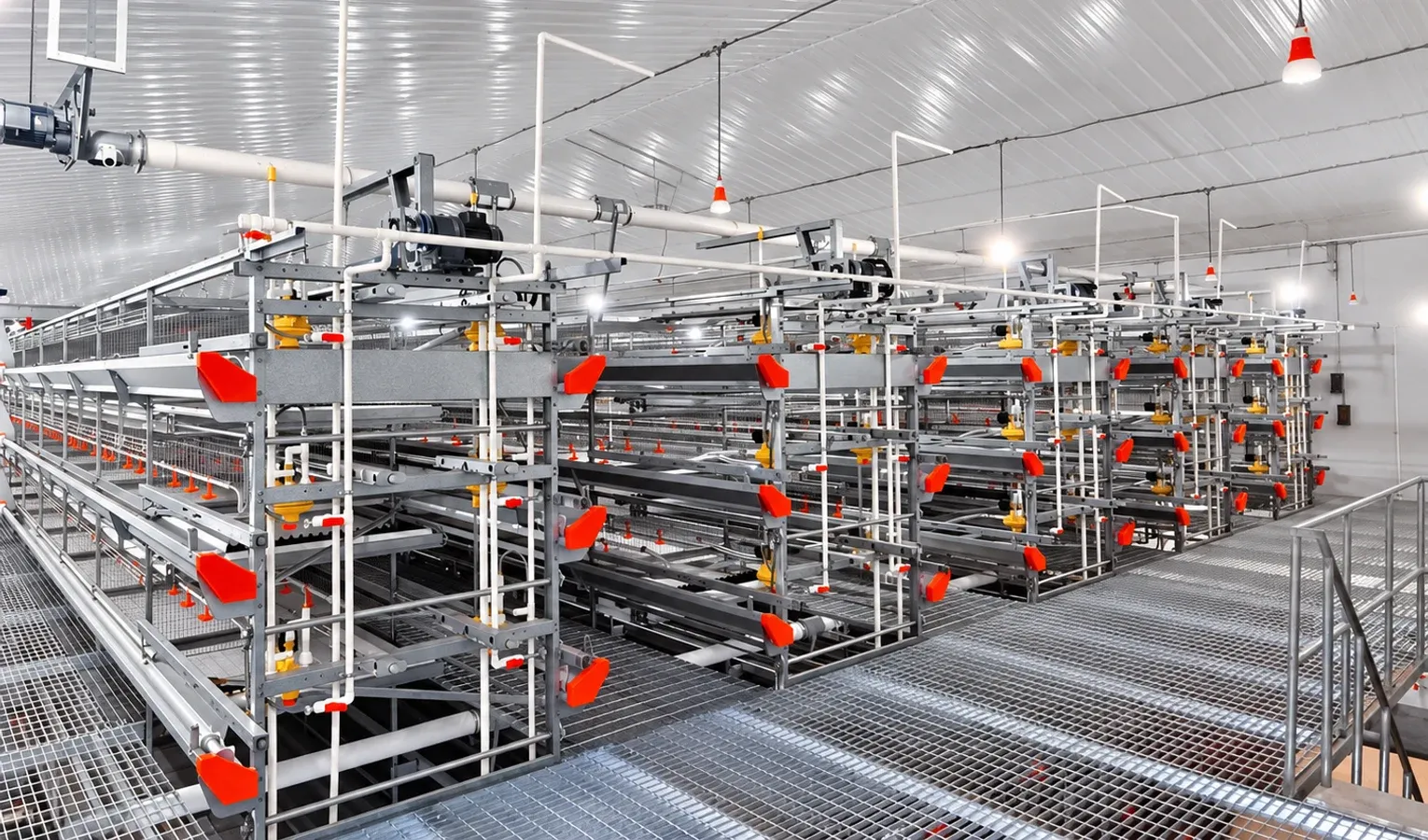
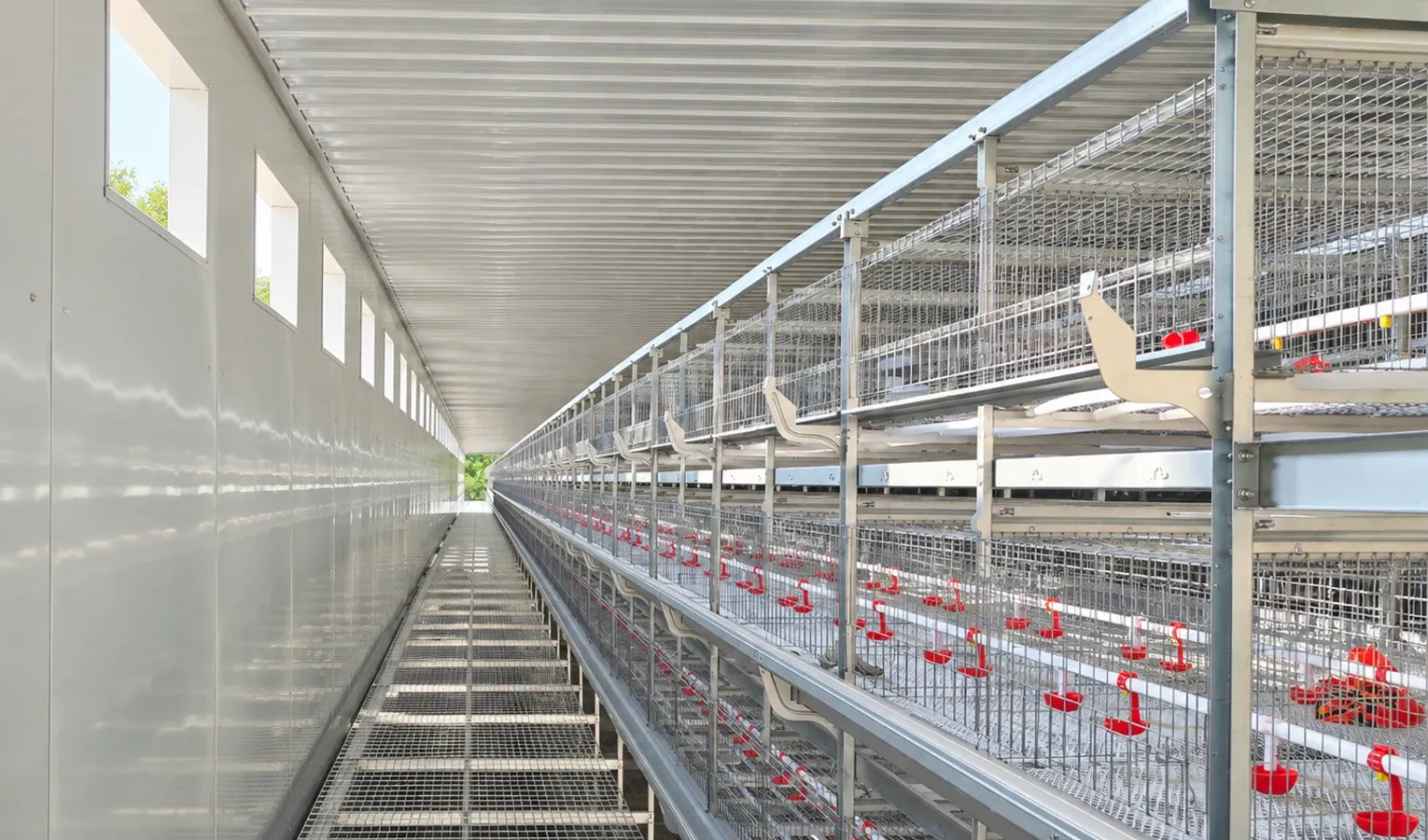
Pullet housing should be assessed for the period before birds enter the laying house. Feeding, drinking, inspection and handling need to suit young birds and the way the farm manages them. A layer cage is not automatically an appropriate substitute because the dimensions appear similar. State the intended placement and transfer stages when requesting a proposal.
Plan adjustment and access
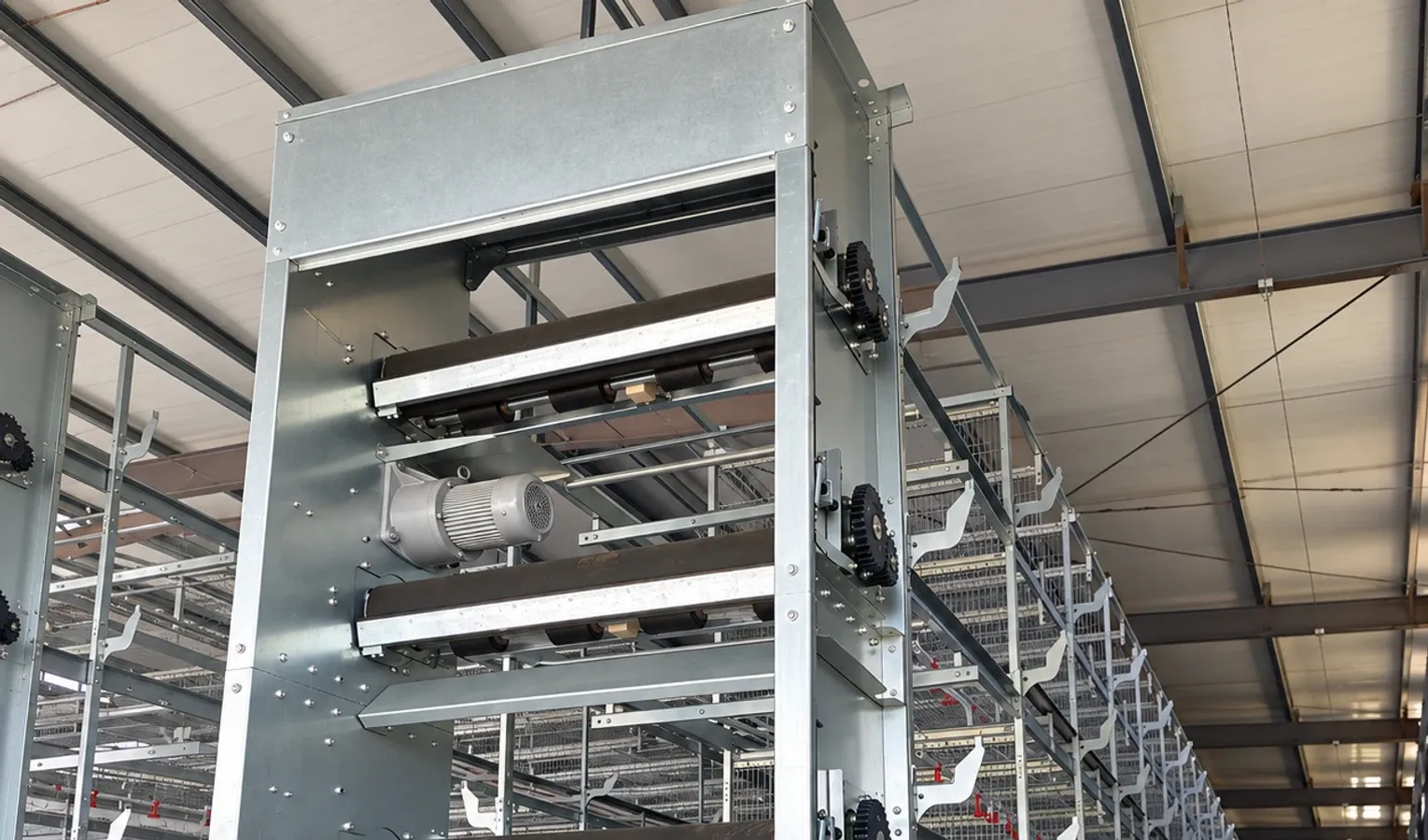
Ask how drinkers, feed access and any adjustable components are managed as the birds grow. Staff must be able to observe birds on each tier and reach equipment for routine checks. Review the layout from the operator's point of view, including the upper tiers and the far end of the house. Confirm the tools and access equipment required for daily work.
Coordinate the house and management programme
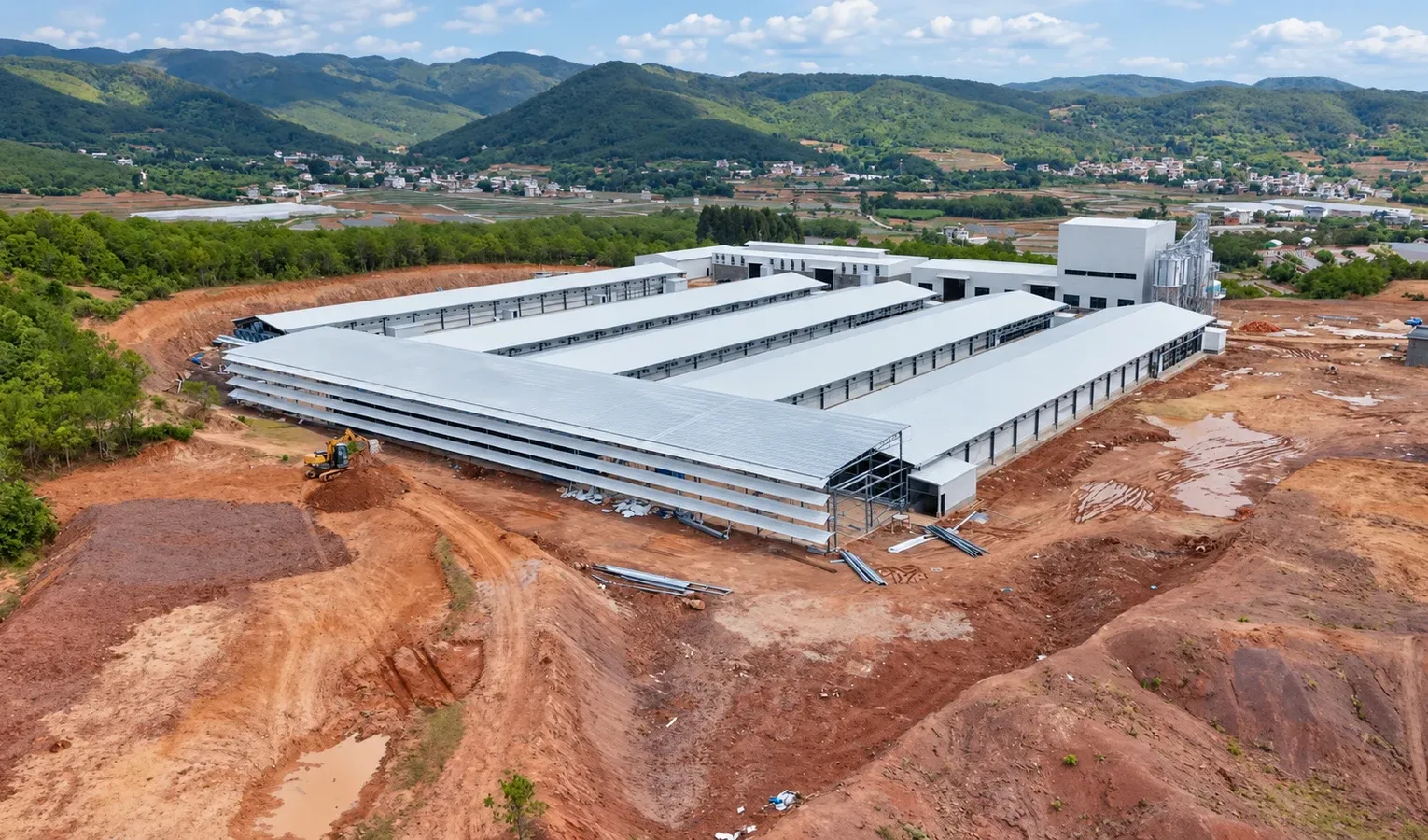
Housing, lighting, temperature control and feeding should be discussed together with the current guide for the selected flock. Equipment should support the farm's management programme, not substitute for one. Record the control settings and changes approved by the farm team. Avoid copying a programme from a different strain or building without checking the assumptions.
Prepare the transfer route
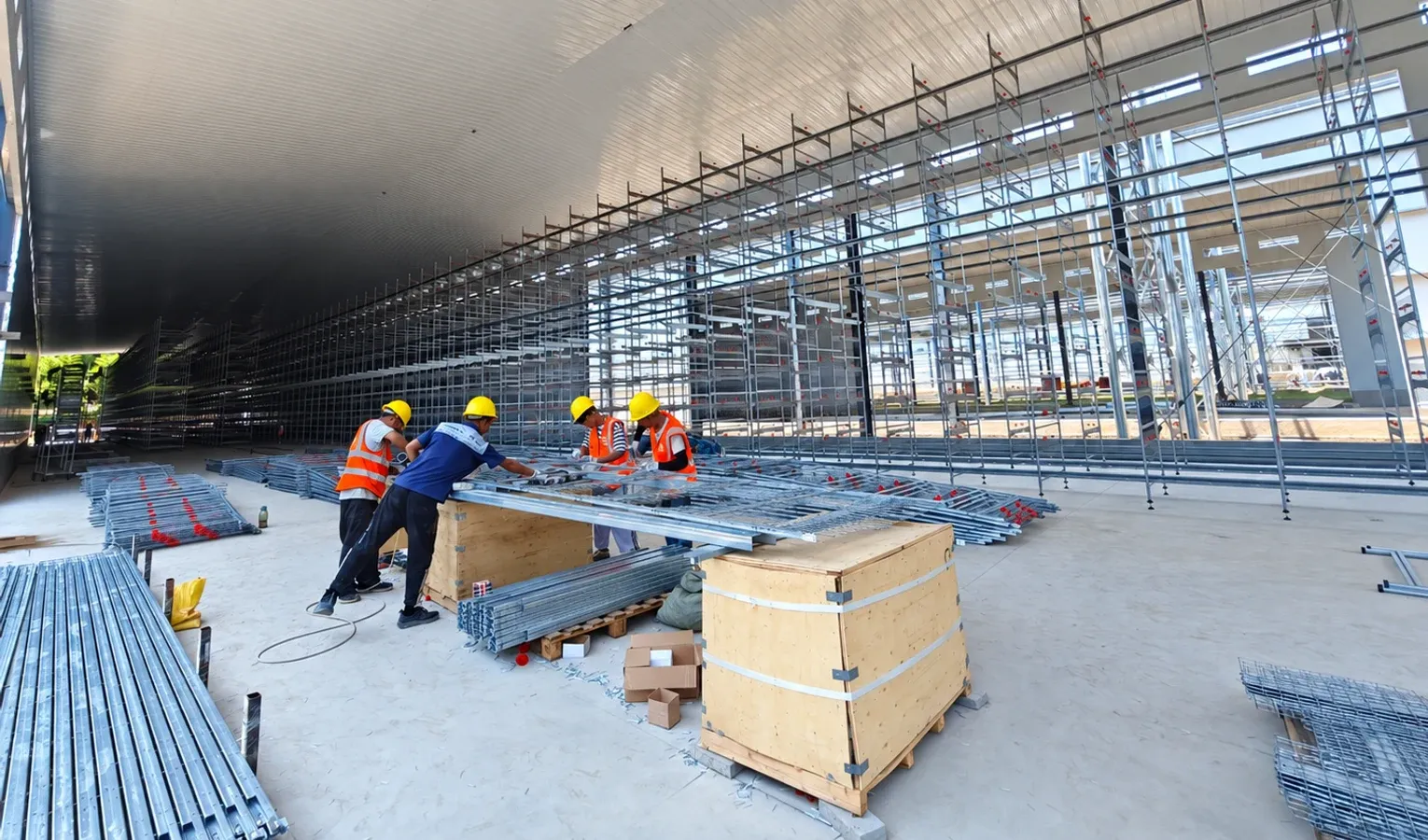
The move from rearing to laying involves people, birds and equipment outside the cage itself. Plan doors, handling access and receiving arrangements before the flock reaches transfer age. Compare drinker and feeding arrangements between the two houses and discuss how birds will be introduced to the destination equipment. Make responsibilities clear to everyone involved.
Keep practical rearing records
Record routine observations, equipment faults and relevant flock measurements consistently. Differences between rows or tiers should prompt inspection of access and equipment as well as management conditions. Keep the location of each observation so changes can be followed up. When requesting help, include the housing layout and photographs of the affected area rather than only a whole-house average.
Visual checklist
Related reading
Pullet Rearing: Monitoring Growth and Uniformity
Pullet Lighting: Rearing and Transfer Planning
Further reading
Use the management guide for the actual breed, age and housing system when selecting flock targets. Review changes with the farm team and the relevant nutrition, health or equipment specialist.