At a glance. Plan farm zones, controlled entry, delivery routes and cleaning responsibilities to make poultry biosecurity part of everyday work.
Biosecurity is the cheapest insurance a poultry farm will ever buy. A well-designed program stops disease before it arrives, rather than fighting it once birds are already dying. The strongest farms build protection in 3 layers - conceptual, structural and operational - and combine them with all-in-all-out flow and a 10-14 day cleaning break between flocks. Get these fundamentals right and you cut medication use, protect performance, and sleep better during every disease season. This guide walks through each layer in the order you would actually plan and run a commercial house.
What Biosecurity Really Means
Biosecurity is not a single fence or a footbath. It is a complete system that keeps pathogens away from your birds, contains anything that slips through, and prevents spread between houses. Think of it as three concentric rings of defense working together.
The three classic layers are worth memorizing, because every decision falls into one of them:
- Conceptual biosecurity: where you place the farm in the landscape
- Structural biosecurity: how you lay out fences, roads, houses and zones
- Operational biosecurity: the daily routines your staff repeat every shift
- The weakest layer sets your real protection level, so no single ring can be skipped
- Most breakdowns are operational - a skipped boot change, an unlogged visitor
The Cost of an Outbreak
Farmers who resist biosecurity spending have usually never lived through a severe outbreak. When a viral disease enters a naive flock, mortality can climb steeply within 24-72 hours, egg production can collapse, and survivors often carry lifelong damage.
The losses go far beyond the dead birds themselves:
- Lost income from birds that die or stop producing
- Weeks of extra medication, labor and veterinary intervention
- Downgraded or condemned product and broken contracts
- Contaminated houses that need extended cleaning and disinfection
- The risk of infecting your next flock through residual contamination
Set against these losses, fences, showers and disinfectant are trivial. Prevention almost always wins.
Conceptual Biosecurity: Choosing the Site
The first and most permanent decision is location. A poorly sited farm fights an uphill battle forever, because it constantly re-inhales pathogens from its neighbors.
When selecting or evaluating a site, keep the production area well separated from known sources of infection:
- Locate away from villages, dense housing and busy main roads
- Keep a generous distance from other poultry farms and hatcheries
- Avoid proximity to live-bird markets, slaughter points and rendering plants
- Where the land allows, sit upwind and uphill of contamination sources
- Ensure a reliable supply of clean water and good drainage
- Leave room to expand without crowding houses together later
You cannot move a farm once it is built, so this decision deserves real study before a single post goes in the ground.
The Clean Road and Dirty Road Principle
One of the most powerful structural rules is to physically separate clean traffic from dirty traffic. Feed, day-old chicks and eggs should never share a path with manure, dead birds and culled animals.
Design two distinct routes that do not cross:
- A "clean road" reserved for feed delivery, chick placement and egg or product collection
- A "dirty road" reserved for manure removal, mortality disposal and cull transport
- Separate gates or access points for each where possible
- Clear signage and staff training so drivers never mix the two
- Scheduling so clean and dirty movements happen at different times if one lane must be shared
If clean and dirty traffic ever meet, contamination has a direct highway into your production zone.
Farm Zoning
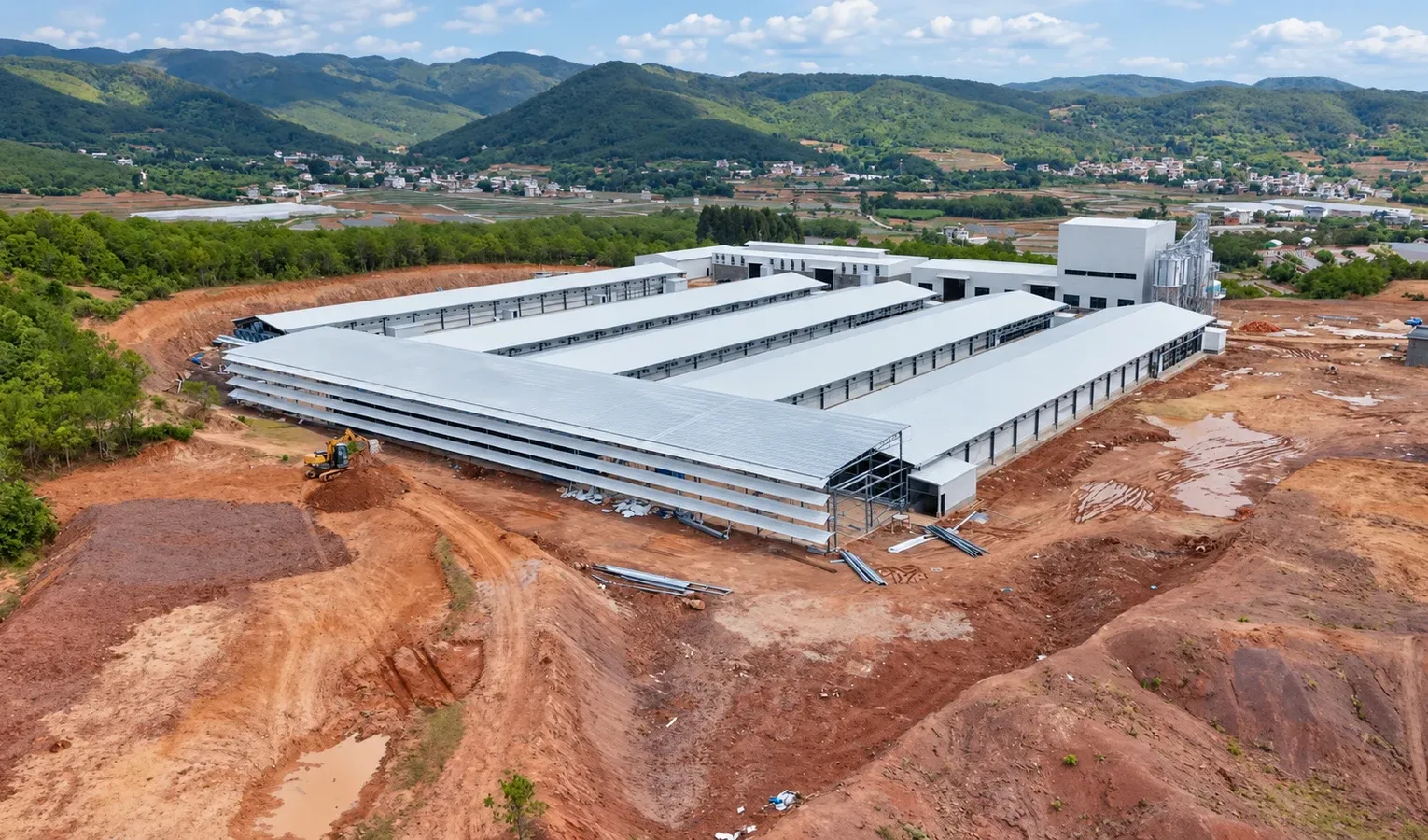
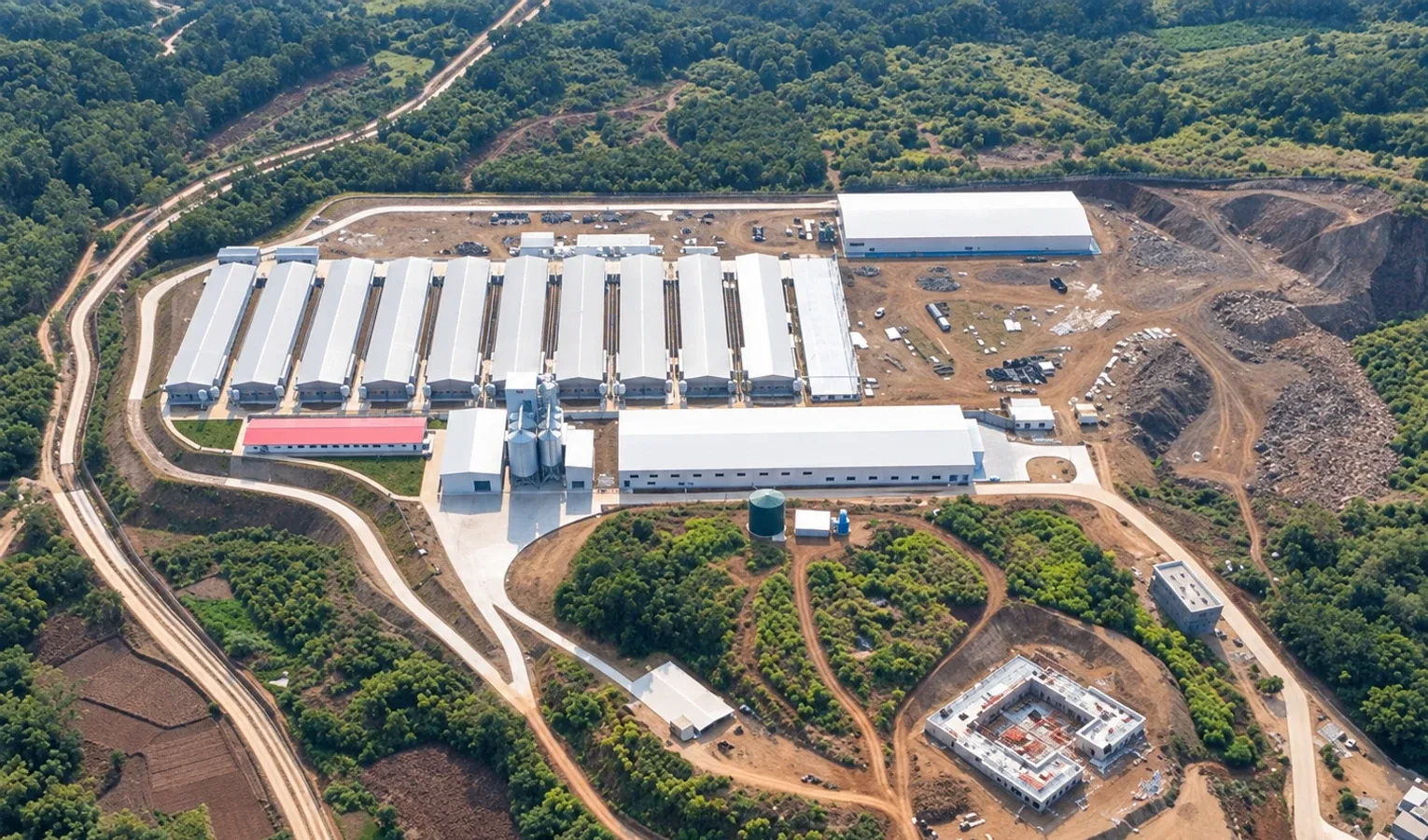
Inside the perimeter, divide the farm into functional zones ranked by cleanliness. This keeps human and vehicle traffic flowing from clean areas toward dirty ones, never the reverse.
A practical layout separates work, life and waste:
- A living and office zone near the entrance for staff, records and visitors
- A production zone for the bird houses, entered only after changing and showering
- An isolation or quarantine house placed at the farm edge, downwind of the main flock
- A manure and dead-bird handling area at the far, downwind end of the site
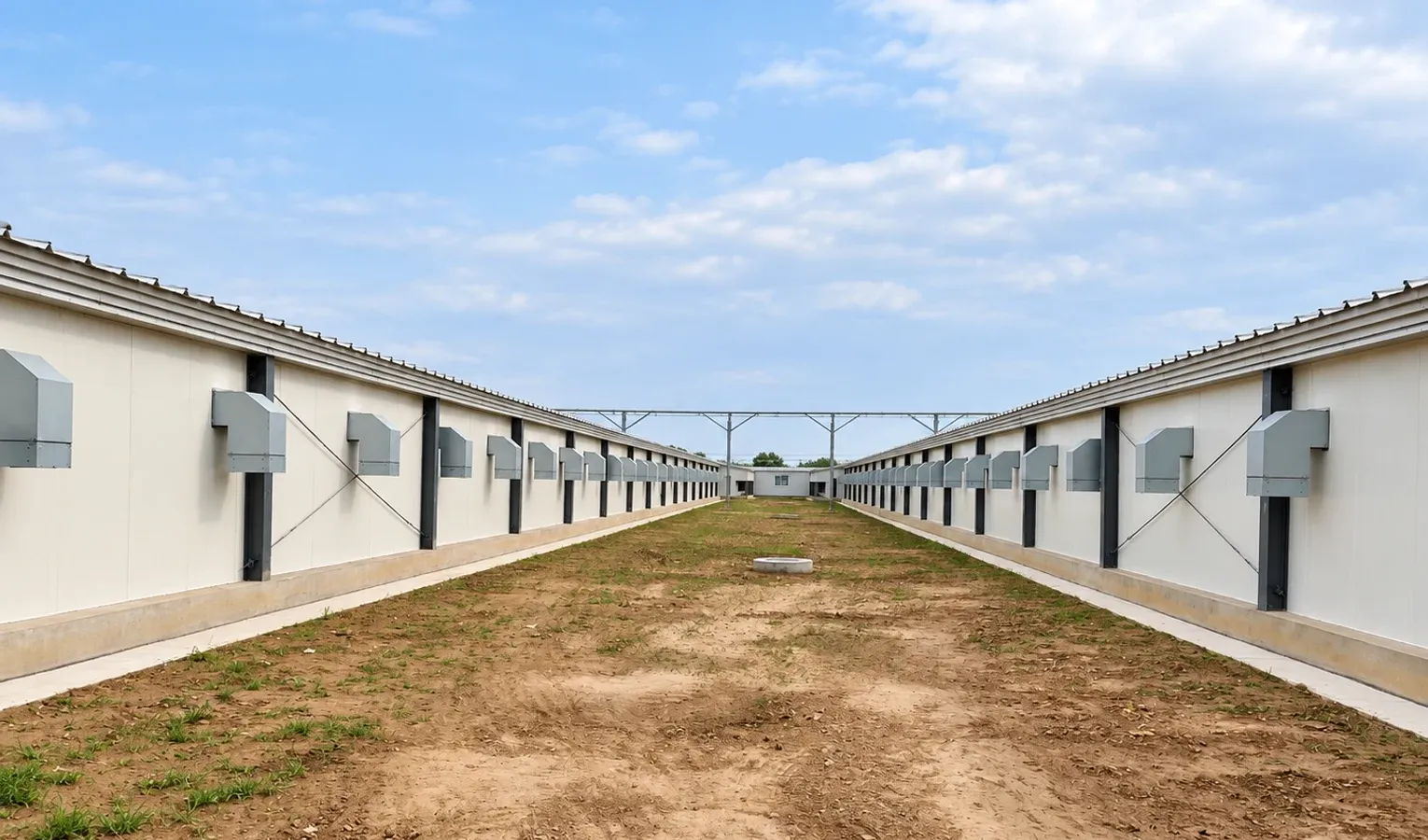
- Clear buffer distances between houses to slow house-to-house spread
Placing the highest-risk activities downwind and at the boundary protects the birds at the center.
Perimeter and Entry Control
The perimeter turns your zoning plan into an enforceable barrier. A farm with an open boundary has no real biosecurity, no matter how good the paperwork looks.
Build a controlled edge with a single, monitored way in:
- A solid, well-maintained fence around the whole production area
- One controlled entry point rather than several informal gaps
- A vehicle disinfection arch or wheel dip at the gate
- A shower-in facility with a clean change of clothes and dedicated farm boots
- One-way personnel flow from clean to dirty, never doubling back
- A locked gate and a named person responsible for who enters
People Flow and Downtime
People are among the most common ways disease walks onto a farm. Anyone who has recently handled other birds can carry virus on skin, hair, clothing and footwear.
Control human traffic tightly and keep records:
- Require visitors to observe a downtime of 48-72 hours since last contact with other poultry
- Log every entry with name, date, last poultry contact and reason for the visit
- Provide farm-supplied clothing and boots so nothing arrives from outside
- Route staff so they work from youngest or cleanest birds toward oldest or sick birds
- Restrict non-essential visitors entirely during high-risk disease periods
These downtime figures are a reference framework - confirm the exact interval with your local veterinarian and tighten it during a regional outbreak.
Footbaths Done Right
Footbaths and boot dips at every house door are simple, but they are frequently useless in practice. Disinfectant loses strength quickly as mud and manure build up, so a dirty footbath offers false comfort.
Make each dip actually work:
- Place a footbath or boot dip at the entrance to every house
- Scrub visible dirt off boots before stepping in - organic matter inactivates most disinfectants
- Mix disinfectant to the label concentration, not by guesswork
- Refresh the solution at least once daily, and more often in wet or heavy-traffic conditions
- Keep dips shaded and covered so sun and rain do not degrade them
Treat the mixing ratios on your disinfectant label as the reference standard, and ask your veterinarian to confirm the right product and dilution for your local pathogen pressure.
Vehicles and Deliveries
Vehicles carry contamination on tires, wheel arches and undercarriages, and delivery drivers often visit several farms in one day. Every vehicle that enters is a potential courier of disease.
Manage incoming transport deliberately:
- Disinfect wheels and lower bodywork at the entry arch or dip
- Keep feed trucks and other vehicles on the clean road only
- Ask drivers to stay in their cabs; hand over paperwork without farm entry
- Position feed bins and loading points at the perimeter so trucks never reach the houses
- Schedule mortality and manure collection separately, on the dirty route
Rodents, Wild Birds and Insects
Wild animals ignore your fences and footbaths. Rodents, free-flying birds and insects are major vectors, so pest control is a core part of biosecurity rather than an afterthought.
Deny pests food, water and access:
- Run a continuous rodent baiting and monitoring program around houses and stores
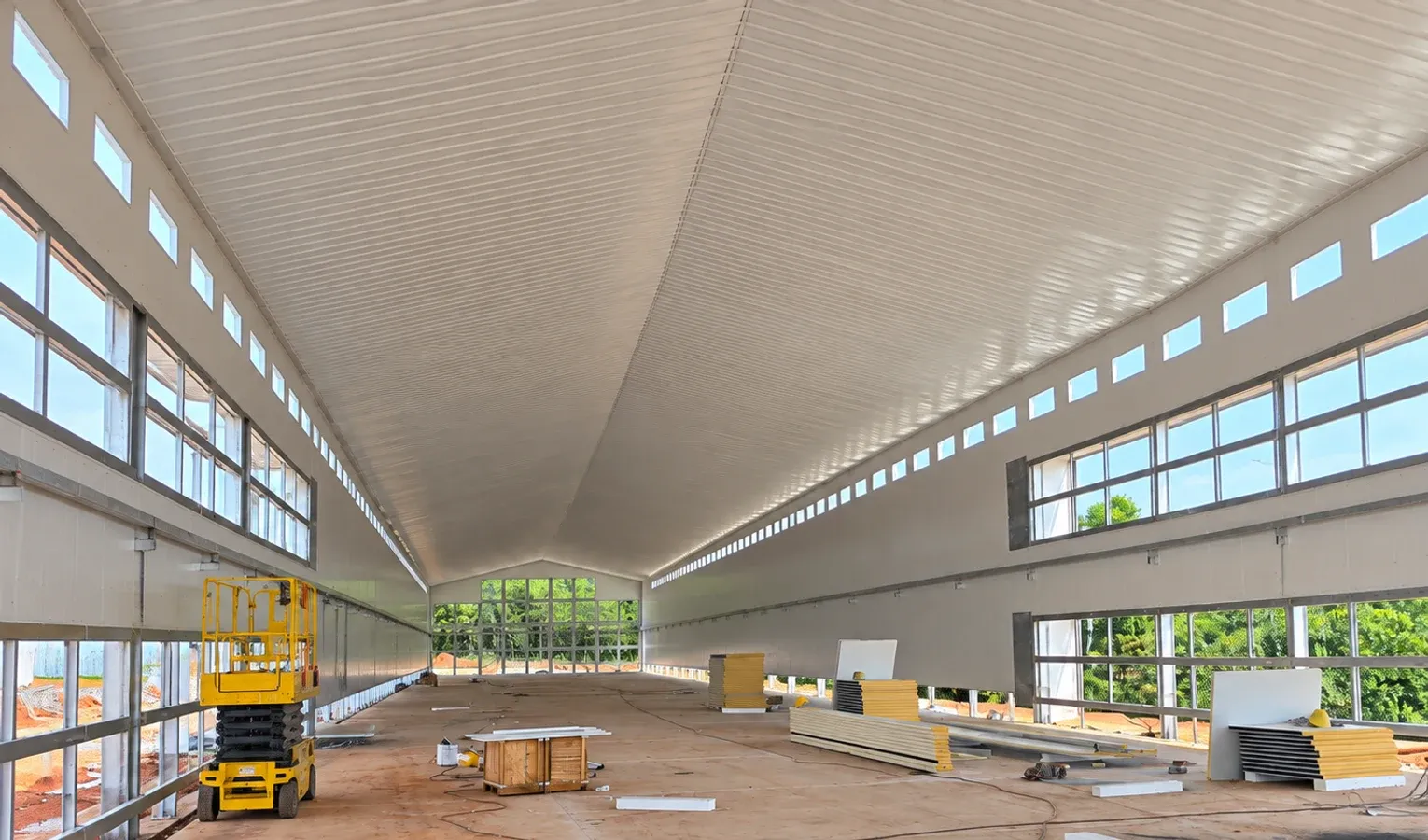
- Fit bird-proof netting or mesh over air inlets and openings
- Control flies, beetles and other insects that move between manure and feed
- Remove standing water, spilled feed and vegetation that shelter pests
- Store feed in sealed, rodent-proof bins and clear spills promptly
Water and Feed Hygiene
Contaminated water and feed can dose an entire house with pathogens at once. These inputs deserve the same scrutiny as the birds themselves.
Protect what goes into the birds:
- Source water from a protected supply and test it regularly
- Sanitize water lines and flush them between flocks
- Store feed dry and cool to prevent mold and mycotoxin growth
- Keep feed systems closed to rodents, wild birds and moisture
- Clean drinkers and feeders on a fixed schedule
Sourcing Healthy Chicks
Biosecurity starts before the chicks arrive. Birds hatched from infected parent stock can bring vertically transmitted disease straight into a clean farm.
Buy from suppliers who prove their flock health:
- Source chicks from monitored breeder flocks with documented health status
- Prefer breeders certified clean for key vertical diseases such as Mycoplasma and Salmonella
- Ask for vaccination and monitoring records with each batch
- Place a single age group per site to support all-in-all-out flow
- Quarantine and observe new arrivals in the isolation house when introducing birds
Consider any supplier health scheme a reference baseline - review it with your veterinarian and match it to the disease risks specific to your region.
A Simple Daily Checklist
Biosecurity fails on ordinary days when routines slip, not during dramatic emergencies. A short, visible checklist keeps standards steady across every shift and every staff member.
Post a daily list at the entrance covering the essentials:
- Confirm the perimeter gate is closed and the entry log is up to date
- Shower or change into farm clothing and boots before entering production
- Check and refresh footbaths at each house door
- Verify the vehicle dip or arch is charged and working
- Walk the pest lines and record any rodent or wild-bird activity
- Move through houses from youngest to oldest, clean to dirty
Combine this daily discipline with all-in-all-out placement and a 10-14 day cleaning and drying downtime between flocks to break disease cycles completely.
Every farm sits in a different landscape, with its own neighbors, prevailing winds and local disease pressures. If you are planning a new site or tightening an existing one, our team is glad to help you think through house placement, zoning, road layout and ventilation so your biosecurity system is built into the farm from the ground up. Reach out and we will work through your layout with you.
Visual checklist
Related reading
All-In-All-Out Poultry Management and Downtime
Empty Poultry House Cleaning and Disinfection Planning
Further reading
Disease prevention and treatment must be adapted to the flock and local requirements. Confirm medicines, vaccines and disinfectant procedures with the responsible veterinarian and the approved product instructions.