At a glance. Review how flock age, feed intake, egg output and shell quality inform a layer phase-feeding discussion with the farm nutritionist.
A hen at the start of lay and a hen at the end of lay are, nutritionally, two different animals. The young bird is still growing, building bone reserves, and pushing toward peak; the old bird has stopped growing, produces fewer but larger eggs, and absorbs calcium less efficiently. Feeding both the same diet either overfeeds the old flock or starves the young one. Phase feeding solves this by dividing the laying cycle into stages and matching the diet to each. Done well, it protects the peak, saves feed, and holds shell quality deep into late lay.
Why One Diet Cannot Fit the Whole Cycle
A single fixed formula is always wrong somewhere. If you set it rich enough for peak, you waste protein and calcium on the late-lay flock. If you set it for the average, you cap the peak and let shells thin at the end. Because the hen's requirements move steadily through the cycle, the diet has to move with them. Phase feeding is simply the practice of changing the formula two or three times so it stays close to the real requirement.
The Three Classic Phases
Most layer programs split the production cycle into three phases, timed by age and production rate rather than the calendar alone.
- Phase 1 — onset to about 40 weeks, covering the climb and the peak plateau
- Phase 2 — roughly 40 to 60 weeks, the early decline
- Phase 3 — 60 weeks and beyond, late lay with the oldest, largest-egg birds
The exact transition points depend on the flock's production and egg weight, so treat the ages as guides and confirm with your breed management guide.
Protein and Amino Acids by Phase
Layer diets typically run 16-18% crude protein, highest in Phase 1 and easing downward as production and egg mass fall. What really matters is the balance of digestible amino acids behind that protein figure, especially methionine and lysine, which drive egg mass. Within the working range, each extra 1% of dietary protein raises egg weight by about 1.2 g, so protein is also your lever for egg size. Reduce it too aggressively in later phases and you shrink both egg numbers and egg weight.
Energy: Fuel Before Protein
Layer diets generally target energy around 2700-2850 kcal/kg. Energy is the fuel the hen burns first, and it deserves priority because of a costly trap: when the diet is short on energy, the hen burns dietary protein for fuel instead of turning it into egg. That "burns protein" effect wastes your most expensive ingredient and can quietly cap production. Getting energy right first, then balancing amino acids to it, is the foundation of an efficient layer diet.
Calcium: The Rising Requirement
Calcium demand climbs across the cycle because shell quality gets harder to maintain as hens age. A practical progression runs from about 3.5% dietary calcium at onset up toward 4% in late lay, delivering roughly 4 g of calcium per hen per day. That daily intake, not just the percentage, is what forms sound shells — so calcium levels must be read alongside feed intake, which changes with temperature and age. During heat stress or peak stress, calcium may be pushed toward 3.6-3.8%, and briefly to 4%, always in consultation with your nutritionist.
Available Phosphorus and the Calcium Balance
Phosphorus works in partnership with calcium for bone and shell. Layer diets usually supply 0.30-0.40% available phosphorus, and the ratio to calcium matters as much as the absolute levels. Too much phosphorus relative to calcium softens shells; too little undermines the bone reserves the hen draws on overnight. Because young pullets still mineralize bone while older hens rely on it, phosphorus is dialed down carefully as the flock ages rather than held flat.
Feed Intake Changes Everything
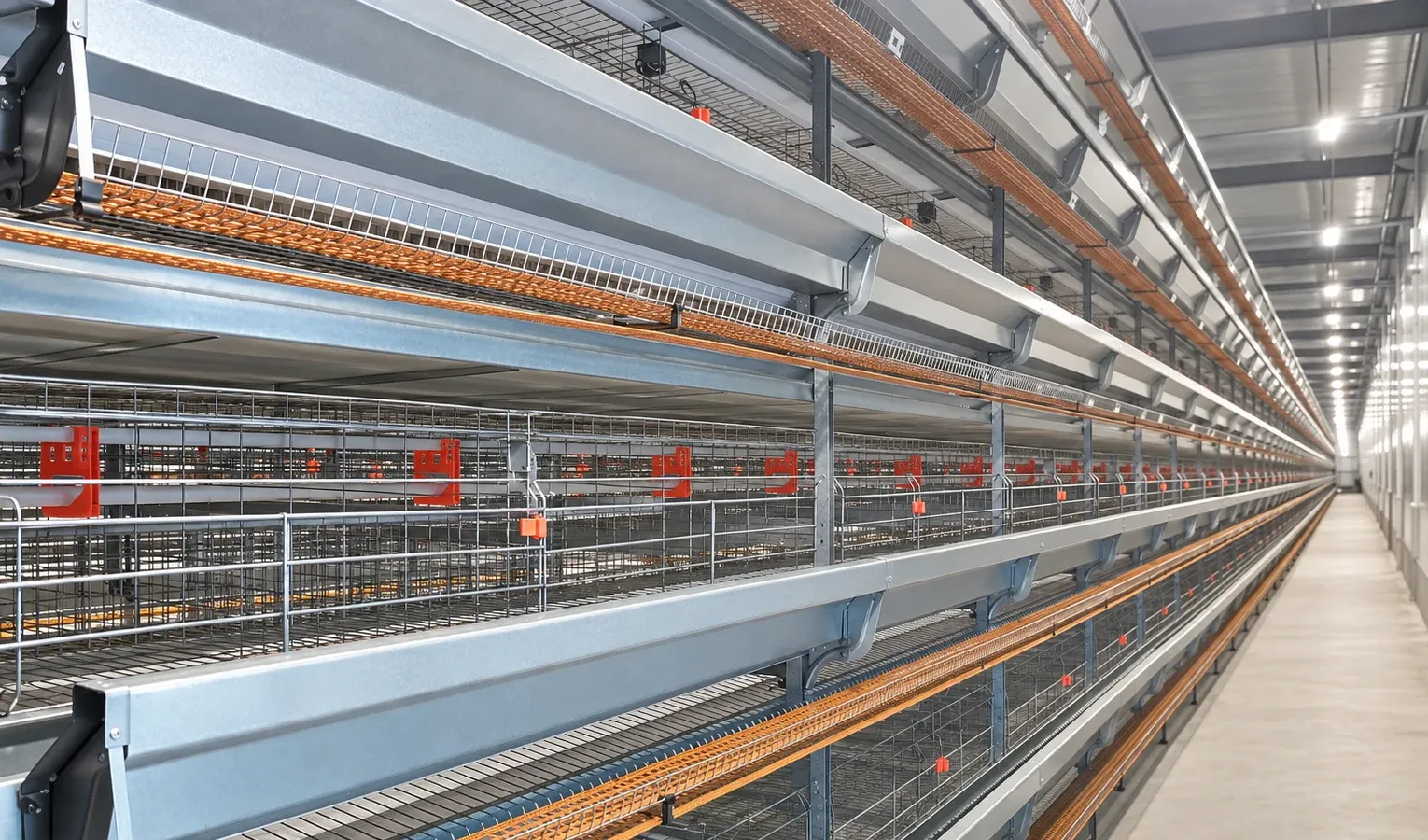
A diet is only a set of percentages until you multiply it by how much the flock actually eats. Layers commonly consume around 100-120 g per bird per day, but intake falls in hot weather and rises in cold. Because a hen eats to meet her energy needs, a drop in intake means she also gets less protein, calcium, and phosphorus from the same formula. That is why summer diets are often concentrated — the same nutrients packed into fewer grams. Always translate your target nutrient intakes into grams per bird before trusting the percentages.
Phase 1: Feeding the Peak
The first phase carries the flock through the climb and the plateau, so it is the richest diet of the cycle. Protein and amino acids sit at the top of the range, calcium starts around 3.5% and rises with production, and energy is held firm to protect the peak. This is not the place to economize — nutrients saved here are eggs lost for the rest of the cycle.
Phase 2: Managing the Early Decline
By around 40 weeks the flock is past peak, production is easing, and egg weight is climbing. The Phase 2 diet trims protein modestly to control egg size and cost, while calcium continues to rise because shells are getting harder to hold together. The art is to reduce the diet only as fast as production genuinely falls — cutting ahead of the flock steepens the decline and hurts persistency.
Phase 3: Protecting Shells in Late Lay
The final phase feeds the oldest hens, which lay the largest eggs and absorb calcium least efficiently. Here calcium reaches its highest levels, coarse-particle limestone becomes especially valuable for overnight shell formation, and protein is kept just high enough to hold egg mass without over-inflating egg size. Shell quality, not peak production, is the priority that defines Phase 3 success.
Transitioning Between Phases Smoothly
Diet changes should be made gradually and triggered by the flock, not just its age. Watch production rate, egg weight, feed intake, and shell quality, and move to the next phase when the flock has clearly entered the next stage of the curve. Abrupt switches cause intake dips that can knock a percent or two off lay. Blending old and new diets over a few days smooths the transition.
Common Phase-Feeding Mistakes
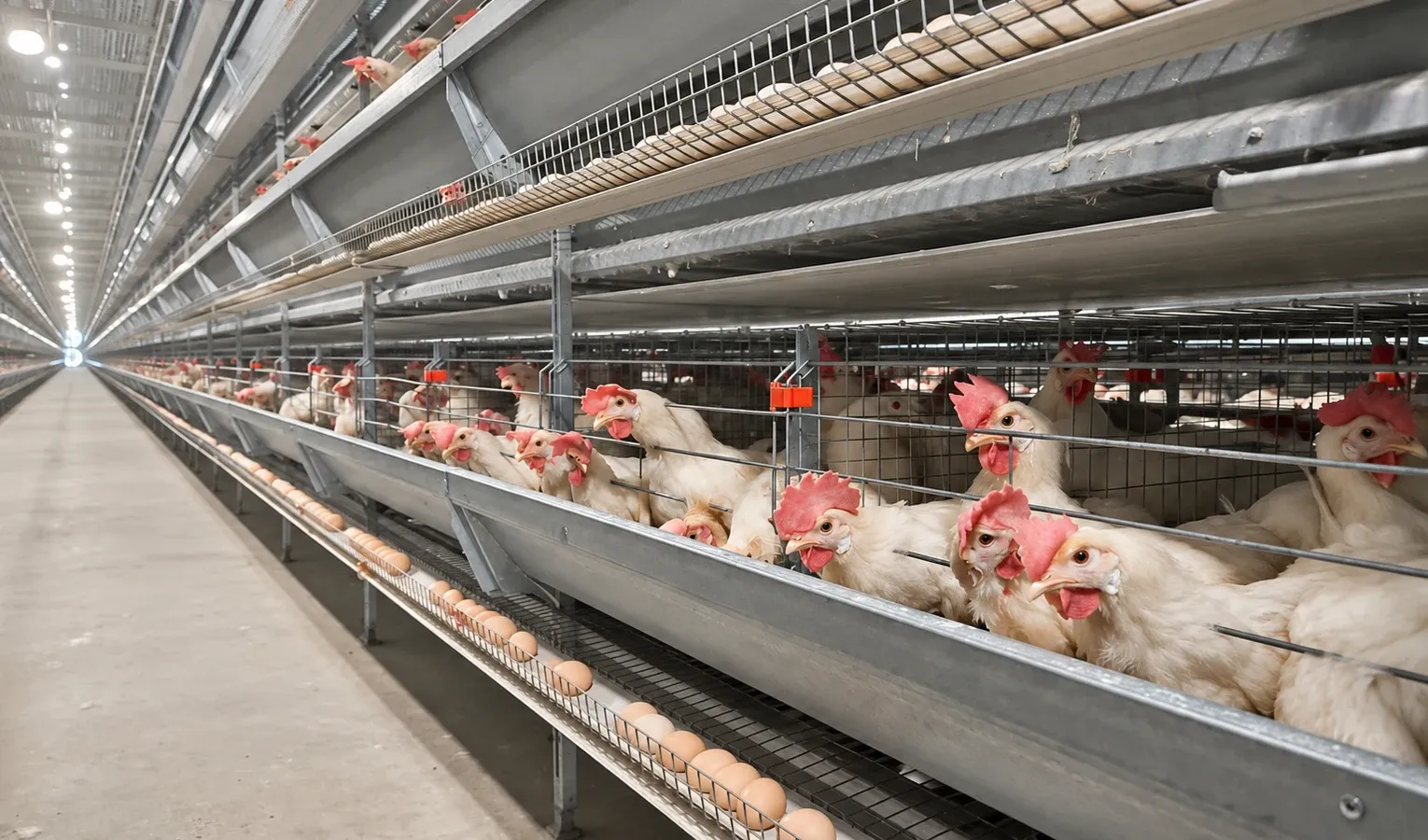
A few errors show up again and again on farms moving to phase feeding:
- Cutting protein too early — shrinks egg size and can dent persistency
- Ignoring feed intake — correct percentages, wrong grams per bird
- Flat calcium — failing to raise calcium as hens age thins late-lay shells
- Energy neglect — under-fueling the diet so the hen burns protein
- Calendar-only timing — switching phases by age while ignoring actual production
Pre-Lay: The Bridging Phase
Although the classic program has three phases, many nutritionists add a short pre-lay phase in the roughly two weeks before first egg. This transition diet raises calcium from pullet levels toward about 2-2.5% so the hen can start laying down medullary bone reserves before shell demand begins. It bridges the sharp gap between a low-calcium developer feed and the 3.5% calcium of early lay, preventing the skeletal shortfall that otherwise caps the peak and thins the first shells. The pre-lay phase also lets feed intake climb ahead of the production curve, so the hen is already eating enough by the time lay accelerates. Treating pre-lay as a genuine phase — not an afterthought — sets the flock up to hit target peak with sound early shells. As with every transition, introduce it gradually and time it to the flock's maturity rather than the calendar alone.
Whole-Cycle Economics of Phase Feeding
Phase feeding is ultimately a cost-control tool as much as a performance one. Feeding the peak-level diet to a late-lay flock wastes expensive protein and calcium the older hen cannot use efficiently, while under-feeding a young flock forfeits eggs worth far more than the feed saved. By stepping the diet down in line with genuine requirement, phase feeding trims the feed bill without touching the eggs that pay the bills. Because feed is the largest single cost on most layer farms, even modest per-tonne savings across the flock's 60-week-plus cycle add up substantially — provided the savings come from matching requirement, never from cutting ahead of the flock.
Let Us Help You Build a Phase Program
Phase feeding rewards precision, and precision starts with knowing your flock's age structure, breed, intake, and climate. Tell us your flock size and where you farm, and our team will help you sketch a three-phase plan and match feeding equipment to it. Share your details and we will help you feed the whole curve, not just the average.
Visual checklist
Related reading
Layer Feed by Life Stage: A Planning Guide
Layer Calcium Nutrition: Intake and Particle Size
Further reading
Use the management guide for the actual breed, age and housing system when selecting flock targets. Review changes with the farm team and the relevant nutrition, health or equipment specialist.