At a glance. Plan manure handling beyond the cage row, including discharge routes, clearances, inspection access and responsibilities at equipment handover.
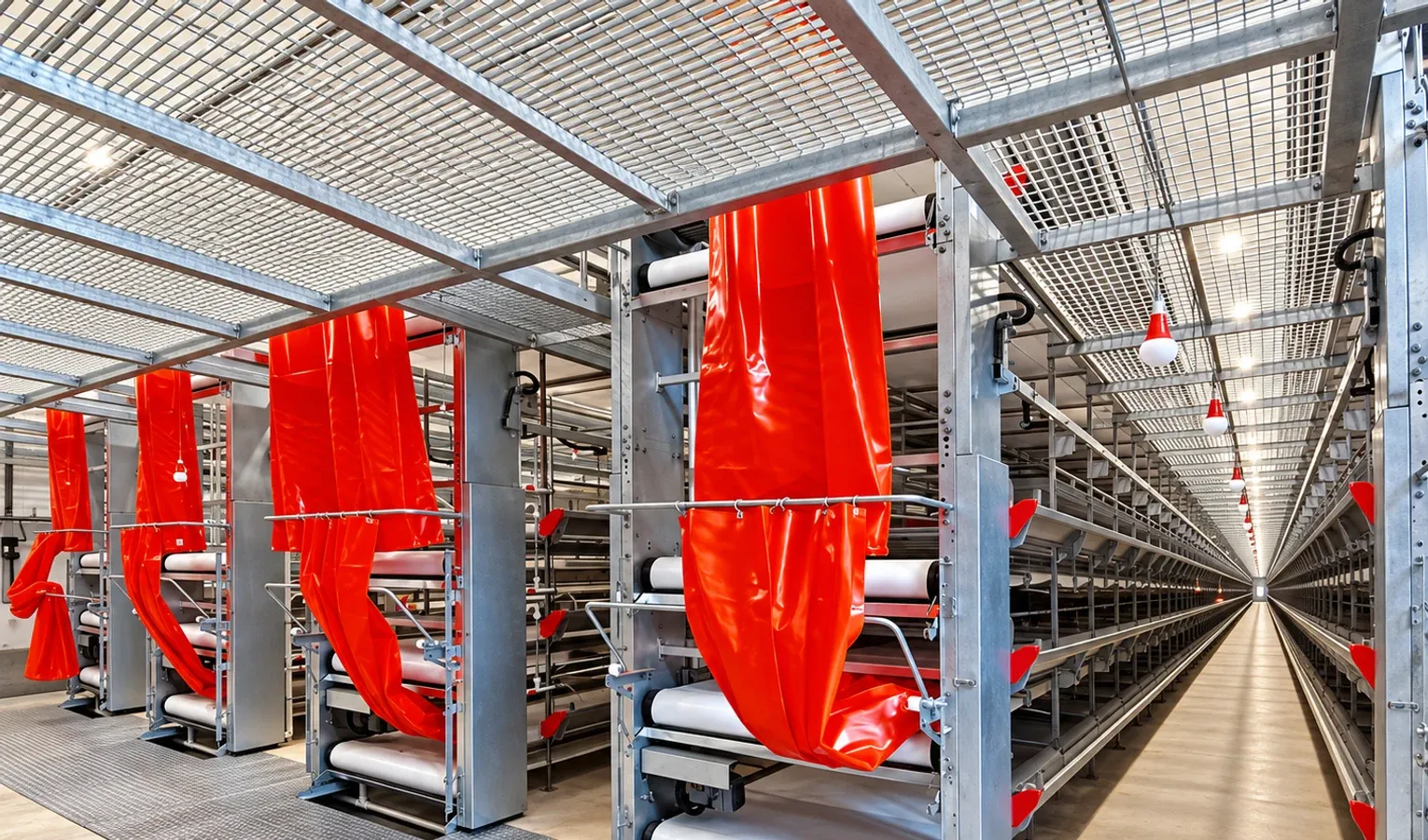
Efficient manure removal is the difference between a healthy flock and a farm plagued by ammonia and disease. A belt or scraper system moves droppings out of the house automatically, cutting labor and keeping air quality high.
This article explains how belt-type and scraper-type manure systems work, how often they should run, and how proper manure handling improves both bird welfare and the value of your manure as fertilizer.
Follow the manure beyond the cage row
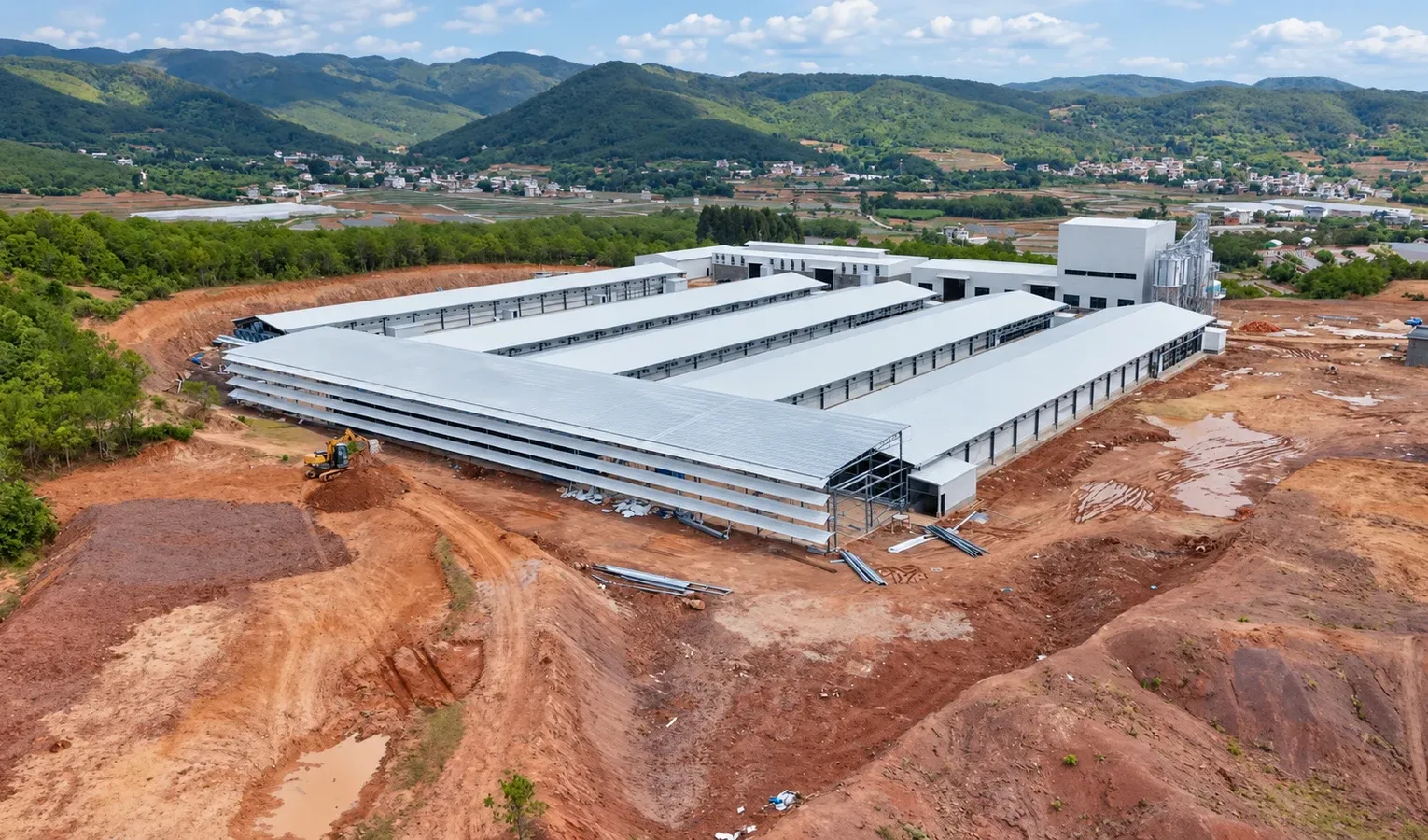
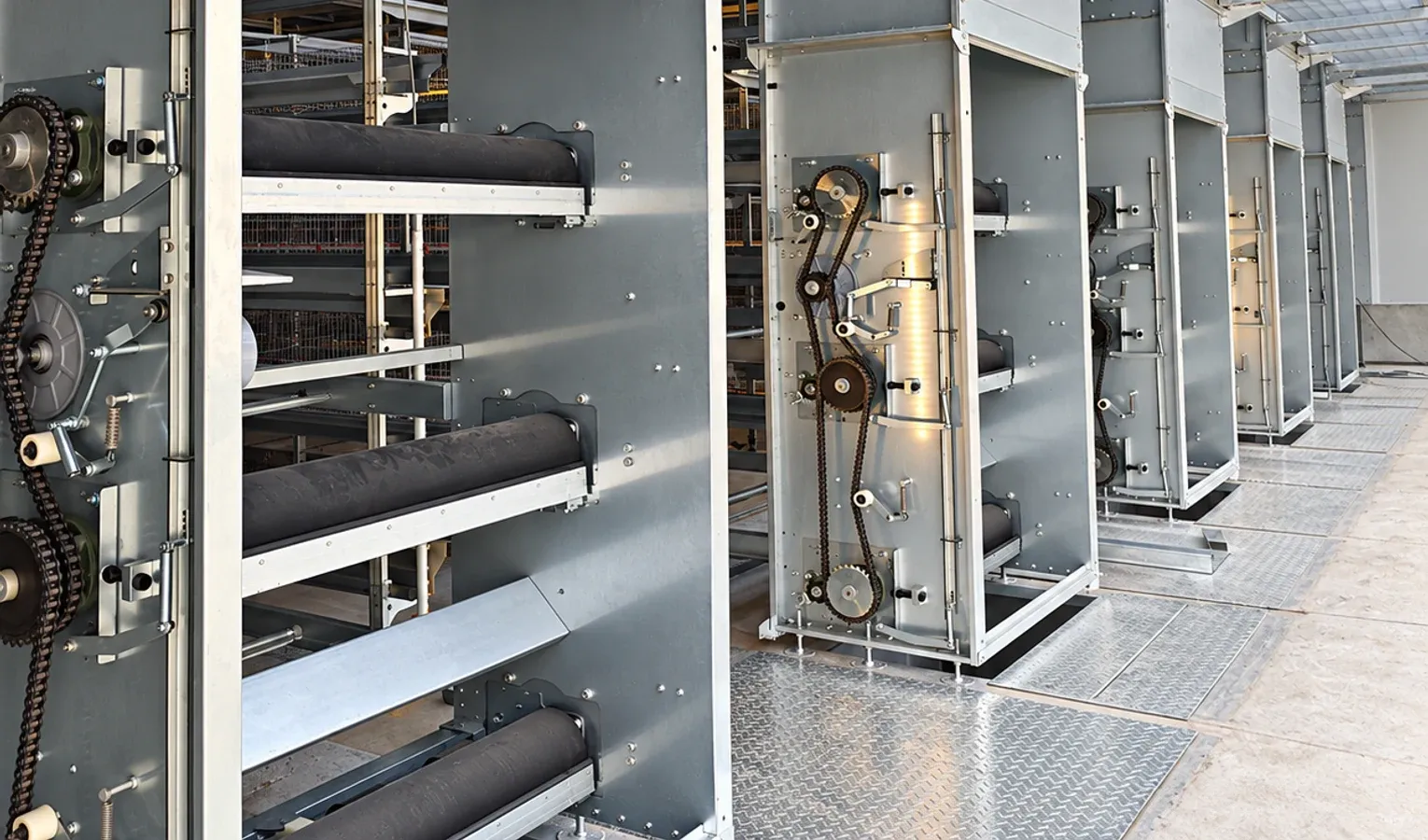
Manure removal starts inside the housing but ends at a storage or handling point outside it. Trace the entire route on the layout: collection surface, belt or scraper, cross conveyor, discharge and the next storage stage. A system can move material out of the cages while still creating a bottleneck at the building exit if downstream handling has not been planned.
Check clearances and access
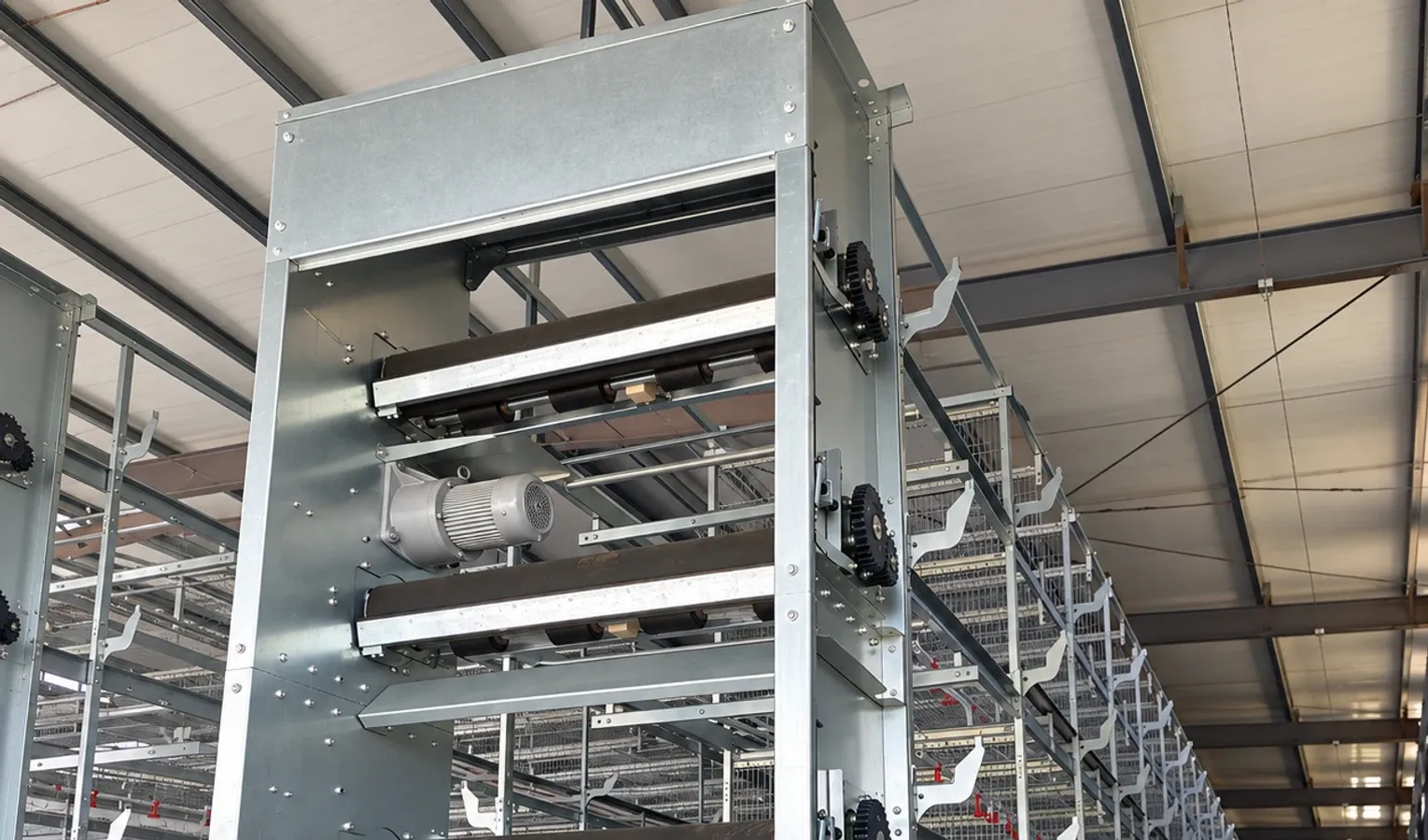
Allow space around drives, tensioning points and discharge equipment. Ask how a belt is inspected and how a worn component can be replaced without dismantling an unrelated system. The floor and access doors should suit the proposed maintenance method. Drainage, weather protection and vehicle access around the discharge area also need to be agreed with the building team.
Separate removal from drying
Moving manure and reducing its moisture are different tasks. A manure belt may be connected to a separate drying or handling arrangement, but the capabilities should be stated in the proposal. Ask which fans, conveyors and controls are included. Do not assume that a collection belt alone produces material suitable for every storage, transport or end-use requirement.
Establish an inspection routine
Observe belt tracking, material build-up and the condition of accessible scrapers and supports. Keep records of stoppages and unusual loads so recurring issues can be investigated. Cleaning methods and operating intervals should follow the equipment instructions and the farm's conditions. Isolate the equipment before clearing a jam and keep people away from moving belts and transfer points.
Agree responsibilities at handover
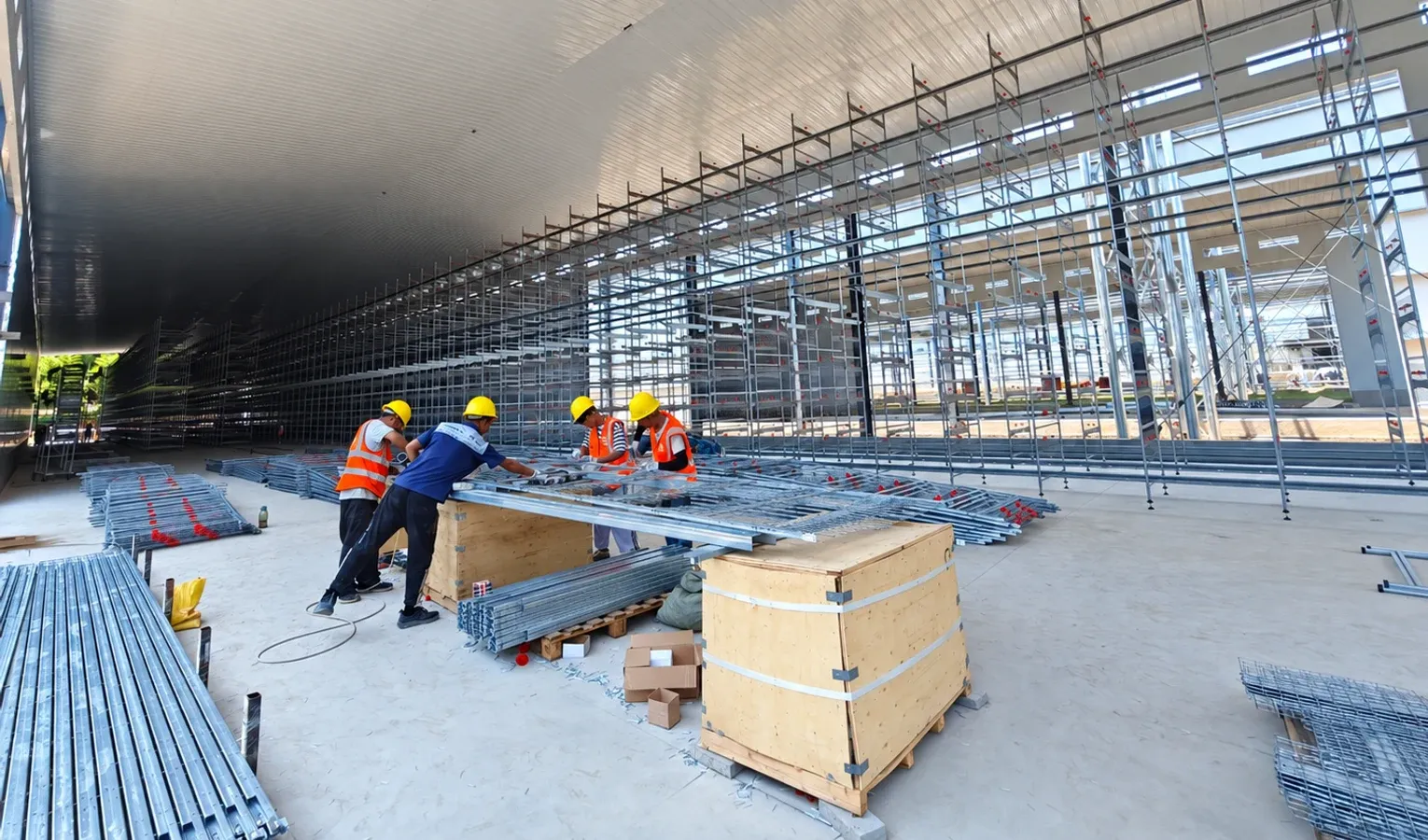
The handover should identify the operator, maintenance contact, spare-part list and permitted adjustments. Confirm who handles the material after discharge and whether additional site works are required. Planning these interfaces early helps the farm avoid a completed cage installation with nowhere practical to move or store the collected manure.
Visual checklist
Related reading
Poultry Manure Belts: Drying and Ammonia Management
Poultry Manure Composting: Materials and Monitoring