At a glance. Review how heat affects intake and production, then use farm records and climate conditions to assess cooling and operational priorities.
Heat stress is usually discussed as a welfare and mortality problem, and it is both. But the reason it deserves a place on every producer's balance sheet is that it bleeds money continuously, degree by degree, long before any bird dies. A layer flock does not simply switch from "fine" to "in crisis" at some threshold — it loses feed intake, body weight, egg number, and egg quality on a measurable slope as the thermometer climbs. Putting real numbers on that slope turns cooling from an expense into an investment with a calculable return. This is the economics of heat stress, one degree at a time.
The Comfort Zone Is Narrower Than You Think
Laying hens are most productive in a surprisingly cool band.
- The comfort range for layers sits around 18 to 24°C, with the optimum closer to 18 to 23°C.
- Ideal relative humidity in that band is roughly 60 to 65 percent.
- Inside this zone, feed intake, egg mass, and shell quality are stable and predictable.
Everything above the top of that band is a slow, compounding cost — and in most climates, "above the band" describes a large part of the year.
Where Production Starts to Slip
The losses do not wait for extreme heat; they begin close to the comfort zone.
- Above roughly 28°C, birds show the first signs of heat stress and begin adjusting behaviour.
- Above 30°C, egg production starts to fall measurably.
- The further and longer the temperature stays above these thresholds, the steeper the losses become.
Recognising that the cost begins at 28°C, not at some dramatic extreme, is the key economic insight. Most heat-stress money is lost in the "not that hot" range.
The Feed-Intake Slope: 1.6% Then 4.6% Per Degree
Feed intake is the clearest, most quantifiable casualty of heat, and it falls in two distinct phases.
- From about 25 to 30°C, feed intake drops roughly 1.6 percent for every 1°C rise.
- From about 32 to 38°C, the loss accelerates sharply to roughly 4.6 percent per 1°C.
That acceleration is the heart of heat-stress economics. The first few degrees above comfort cost you a little; the next few cost you nearly three times as much per degree. A house that spends afternoons at 35°C is losing feed intake — and therefore nutrient supply — far faster than the linear intuition suggests.
Why Falling Feed Intake Wrecks the Books
Feed intake is not just a cost line; it is the delivery system for every nutrient the bird needs to make an egg.
- A hen that eats less takes in less protein, calcium, and energy.
- Less protein means smaller or fewer eggs; less calcium means thinner shells.
- The bird cannot make a full-sized, well-shelled egg on a heat-shrunk ration.
So a drop in feed intake shows up twice: once as apparent feed savings, and again — much larger — as lost egg mass and downgraded egg quality.
Egg Production Collapse at the Extreme
At the top of the heat range, the losses stop being incremental and become severe.
- At around 37°C, egg production can fall by about 30 percent.
- This is on top of feed intake already collapsing at 4.6 percent per degree.
- Shell quality drops in parallel as panting birds lose the carbon dioxide needed to build carbonate for the shell.
A single sustained hot spell in this range can erase weeks of margin, and the eggs that are laid are worth less because more of them are cracked or thin-shelled.
Egg Weight and Egg Quality Fade First
Before production number falls, egg weight and quality quietly erode — an early, easy-to-miss cost.
- Heat-stressed hens lay smaller eggs because they eat less protein and energy.
- Shell strength declines as respiratory alkalosis from panting starves shell formation of carbonate.
- More downgrades and breakage mean a lower average value per egg even when the count looks acceptable.
By the time the production drop is obvious on the count sheet, you have already been losing value on every egg for days.
Humidity Multiplies the Damage
Temperature alone does not tell the whole story; humidity determines whether birds can shed heat by panting.
- In humid heat, evaporative cooling from panting works poorly, so birds overheat at lower temperatures.
- The combination of high temperature and high humidity is far more dangerous than either alone.
- This is why a temperature-humidity index, not raw temperature, best predicts when losses accelerate.
Cooling strategy has to account for humidity, because a "moderate" temperature in a humid house can be as costly as a higher temperature in a dry one.
Turning the Slope Into a Cooling Budget
Once you know the cost per degree, cooling investment becomes a straightforward calculation.
- Estimate how many hours per year your house spends above 28, 30, and 32°C.
- Apply the feed-intake and production losses at each level to your flock size.
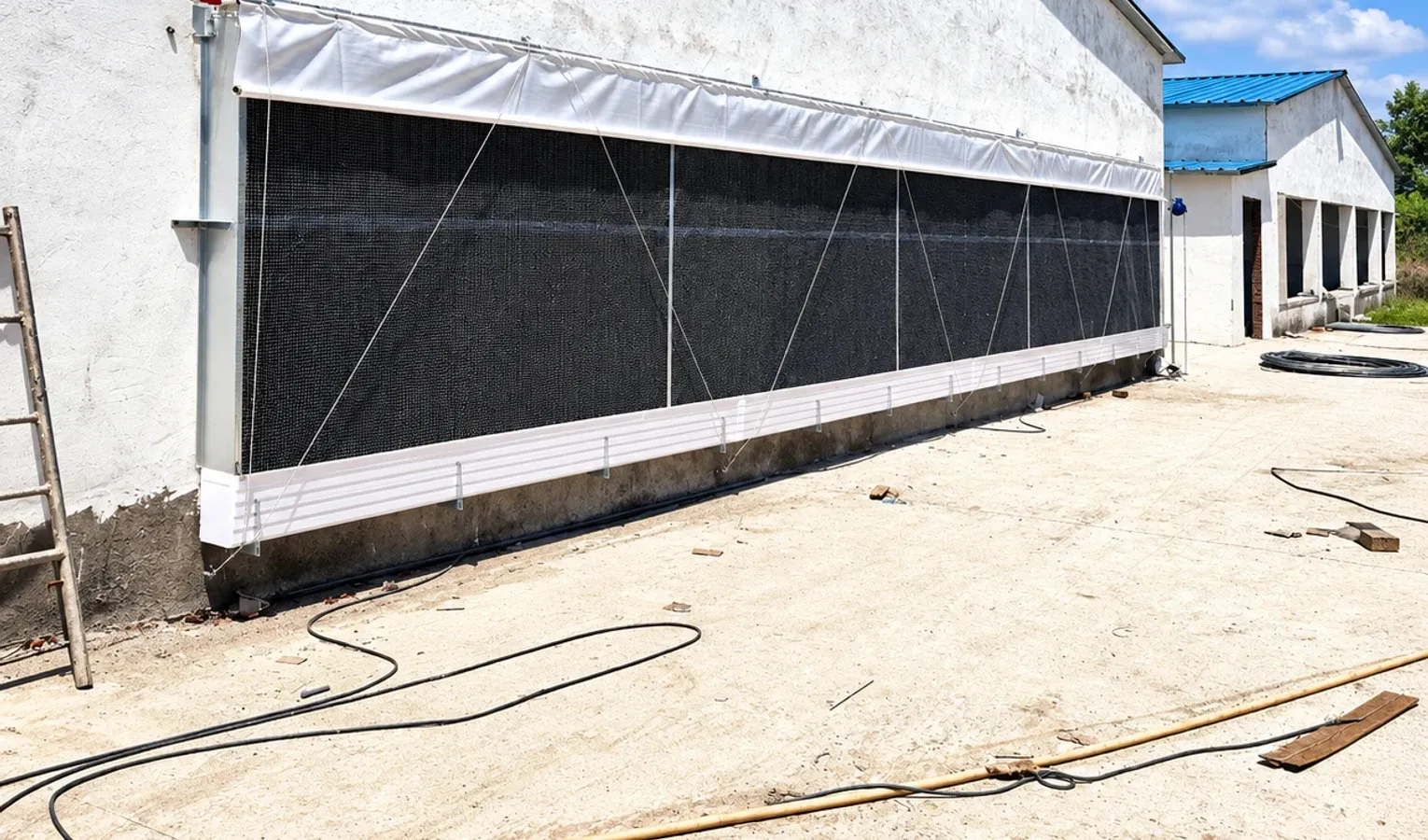
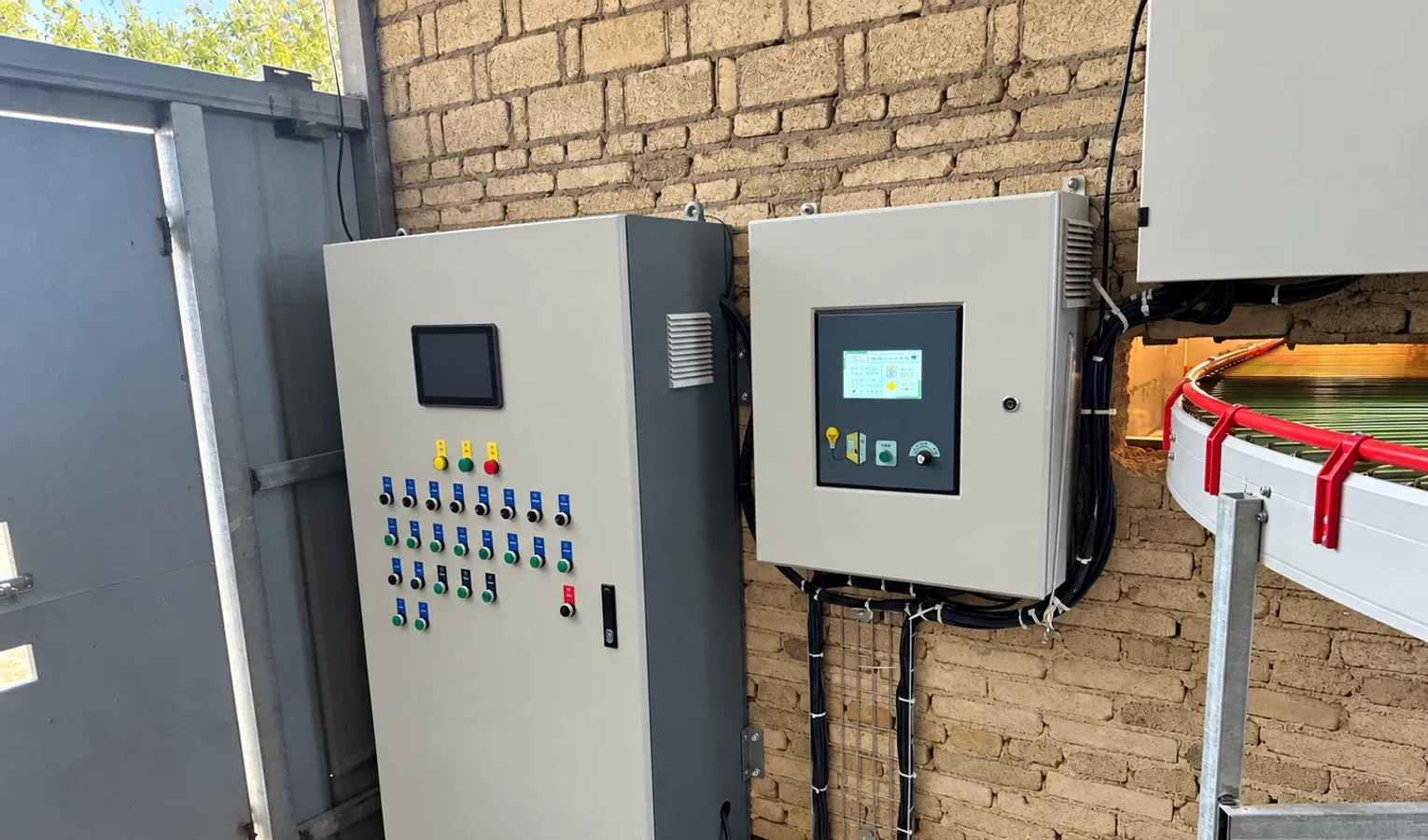
- Compare that annual loss to the cost of pads, fans, insulation, or controls that would cut those hours.
In hot climates the arithmetic is often decisive: the production saved in a single summer can justify a serious cooling upgrade, because the losses compound at 4.6 percent per degree in exactly the range cooling is designed to prevent.
The Cheapest Degrees to Buy Back
Not all cooling delivers equal return; the best value is in preventing the steep part of the slope.
- Keeping the house below the 32°C threshold avoids the 4.6 percent-per-degree zone entirely.
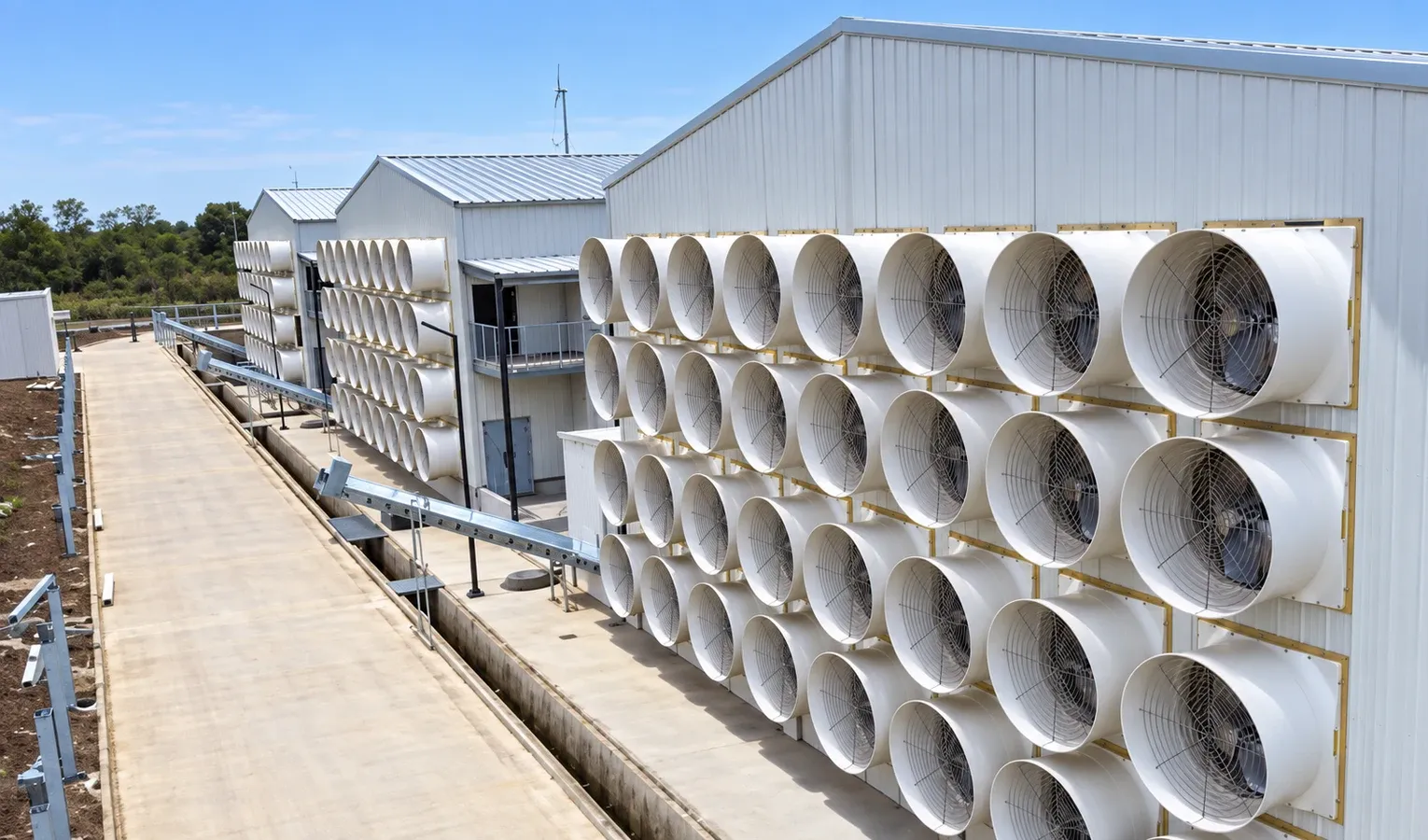
- Evaporative cooling and tunnel airflow that shave several degrees off the hottest hours protect the most valuable range.
- Shade, insulation, and reflective roofing cut the peak cheaply before mechanical cooling even starts.
The goal is not to hold 20°C all summer — that is rarely affordable — but to keep the flock out of the punishing high range where losses triple.
Management Levers Beyond Cooling
Cooling hardware is the biggest lever, but nutrition and routine recover part of the loss.
- Feed during the cooler hours of the day, when birds will actually eat.
- Raise nutrient density so each smaller meal still delivers protein and calcium.
- Ensure abundant cool drinking water, since water intake rises sharply in heat.
- Add electrolytes and support during hot spells to hold intake up.
These do not replace cooling, but they soften the slope and protect margin between upgrades.
A Heat-Stress Cost Checklist
To manage heat stress as a financial problem:
- Track hours above 28, 30, and 32°C across the year.
- Apply 1.6% per °C (25–30°C) and 4.6% per °C (32–38°C) feed-intake losses to your flock.
- Account for lost egg weight, shell quality, and the ~30% production hit near 37°C.
- Weight it all by humidity, not just temperature.
- Compare the total annual loss to the cost of cooling that removes those hours.
- Layer nutrition and feeding-time management on top of hardware.
Bringing It Together
Heat stress is not a single catastrophic event; it is a steady, quantifiable drain that starts at 28°C and accelerates to 4.6 percent of feed intake per degree in the high range, with egg production falling as much as 30 percent at 37°C. Once you see it as a slope with a price tag, cooling stops looking like an expense and starts looking like the highest-return investment on the farm.
If you want help translating your climate and flock into a cooling budget — sizing pads, fans, insulation, and controls against the production you would otherwise lose — our team can run those numbers with you. Get in touch and we will help you keep the flock out of the expensive end of the thermometer.
Visual checklist
Related reading
Layer Heat Stress: Water, Cooling and Daily Checks
Poultry Air Speed and Effective Temperature
Further reading
UGA poultry ventilation resources
Check operating targets against bird age, local climate, measured house conditions and the equipment specifications. A general design example does not replace a house-specific ventilation assessment.