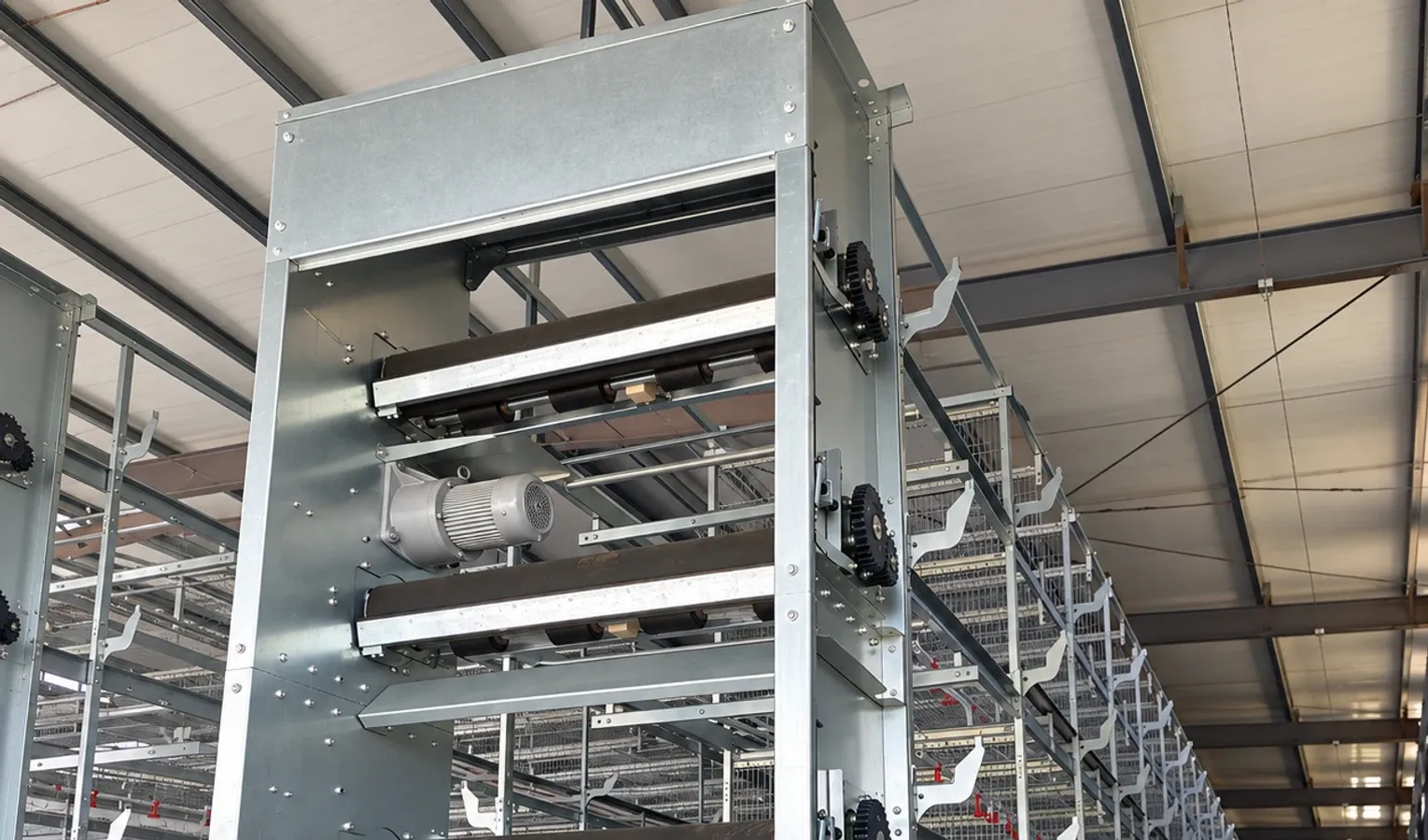
At a glance. Prepare a hot-weather routine for laying hens covering water access, ventilation, cooling equipment, feed observations and emergency readiness.
Heat is the summer enemy of every layer flock. A hen cannot sweat; she sheds heat by panting and by cutting the feed intake that generates metabolic warmth. As the barn climbs past her comfort zone, production falls, shells thin, and in extreme conditions birds die. The costs are real and measurable — but so are the defenses. With the right combination of cooling, water management, and nutrition, a flock can hold much of its production through a hot season. This article lays out the temperature thresholds that matter and the practical playbook for beating heat stress.
The Layer Comfort Zone
Laying hens are most comfortable and productive in a fairly narrow band of about 18-25°C. Within that range they eat normally, hold peak production, and form sound shells. Above it, the hen must spend energy on cooling instead of production, and every degree begins to cost. Knowing where your birds sit relative to this zone is the starting point for any heat-stress plan.
The Danger Thresholds
Heat stress is a staircase, and each step up has consequences worth knowing.
- From 28°C — heat stress begins; the hen starts diverting energy to cooling
- 30°C — production measurably declines
- 33°C — severe stress; intake and lay fall sharply
- 35°C — mortality risk becomes serious
These thresholds shift with humidity — moist heat is far more dangerous than dry heat because it blocks evaporative cooling — which is why temperature alone is not the whole story.
The Real Cost in Numbers
Put figures to the thresholds and the urgency becomes clear. Under conditions of about 33°C and 66% relative humidity, a flock can lose roughly 30% of feed intake and about 11% of egg production. That is a devastating hit to a business whose margins depend on holding the production curve. The intake drop is especially insidious because it starves the hen of the calcium and nutrients she needs for shells, compounding the direct effect of heat.
The Temperature-Humidity Index
Because humidity magnifies heat, the professional measure is the Temperature-Humidity Index (THI), which combines the two into a single stress score. Heat stress becomes a serious concern once THI crosses a threshold of about 70-72. Monitoring THI rather than temperature alone gives an earlier and more accurate warning, especially in humid climates where a "moderate" temperature can still be dangerous. Simple THI charts let you translate a thermometer and hygrometer reading into a real risk level.
Water: The First Line of Defense
When a hen is hot, water becomes her most important nutrient, and its temperature matters as much as its availability. Cool drinking water — ideally below 25°C — directly helps the bird shed heat and encourages the feed intake that warm water suppresses. Water consumption rises steeply in heat, so lines, tanks, and flow rates must keep up without interruption. Keeping water clean, cool, and abundant is the single most cost-effective heat-stress intervention available.
- Keep water below 25°C to aid cooling and support intake
- Flush lines during the day to keep water cool at the drinker
- Check flow and pressure — heat-driven demand can outstrip an undersized system
Cooling the House
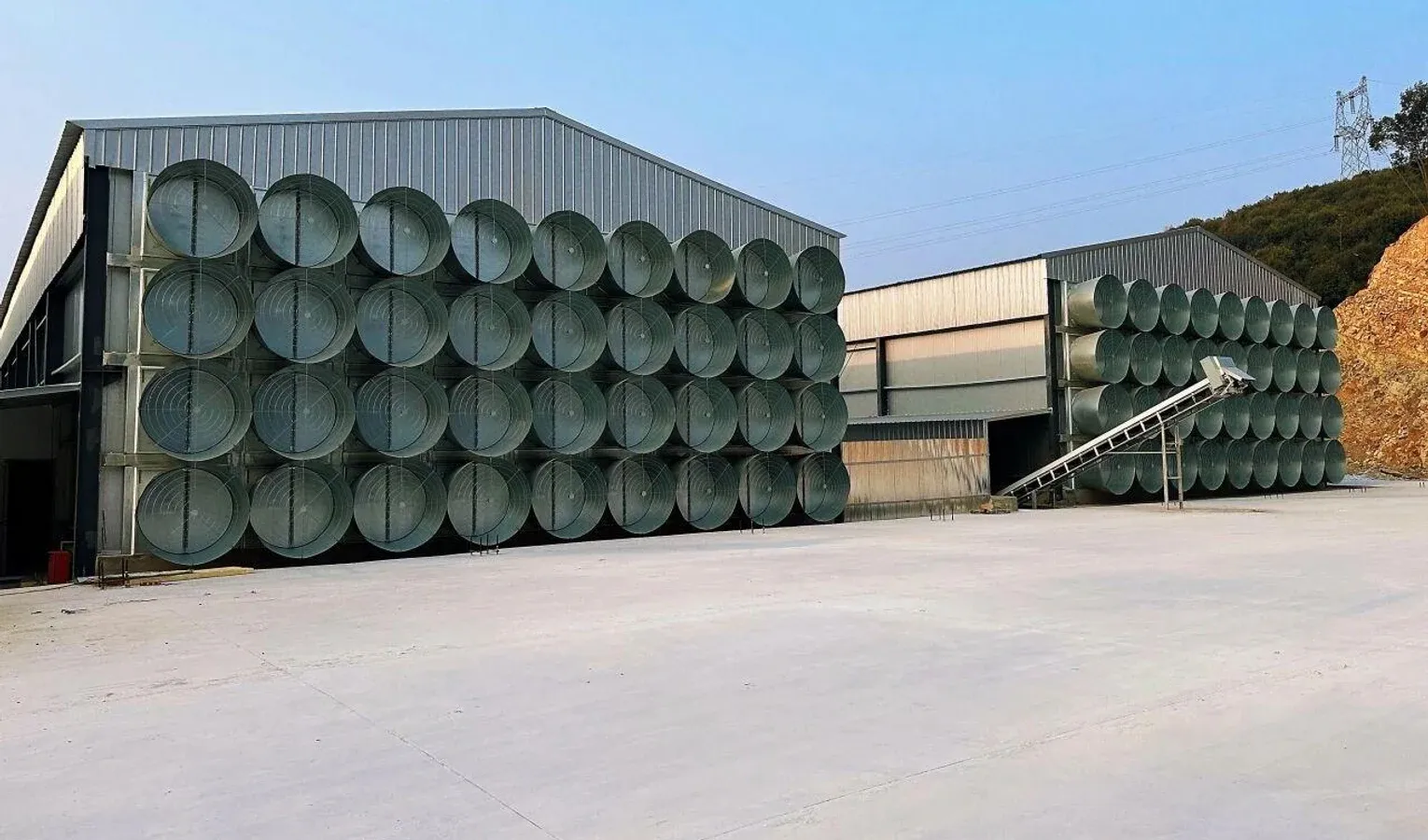
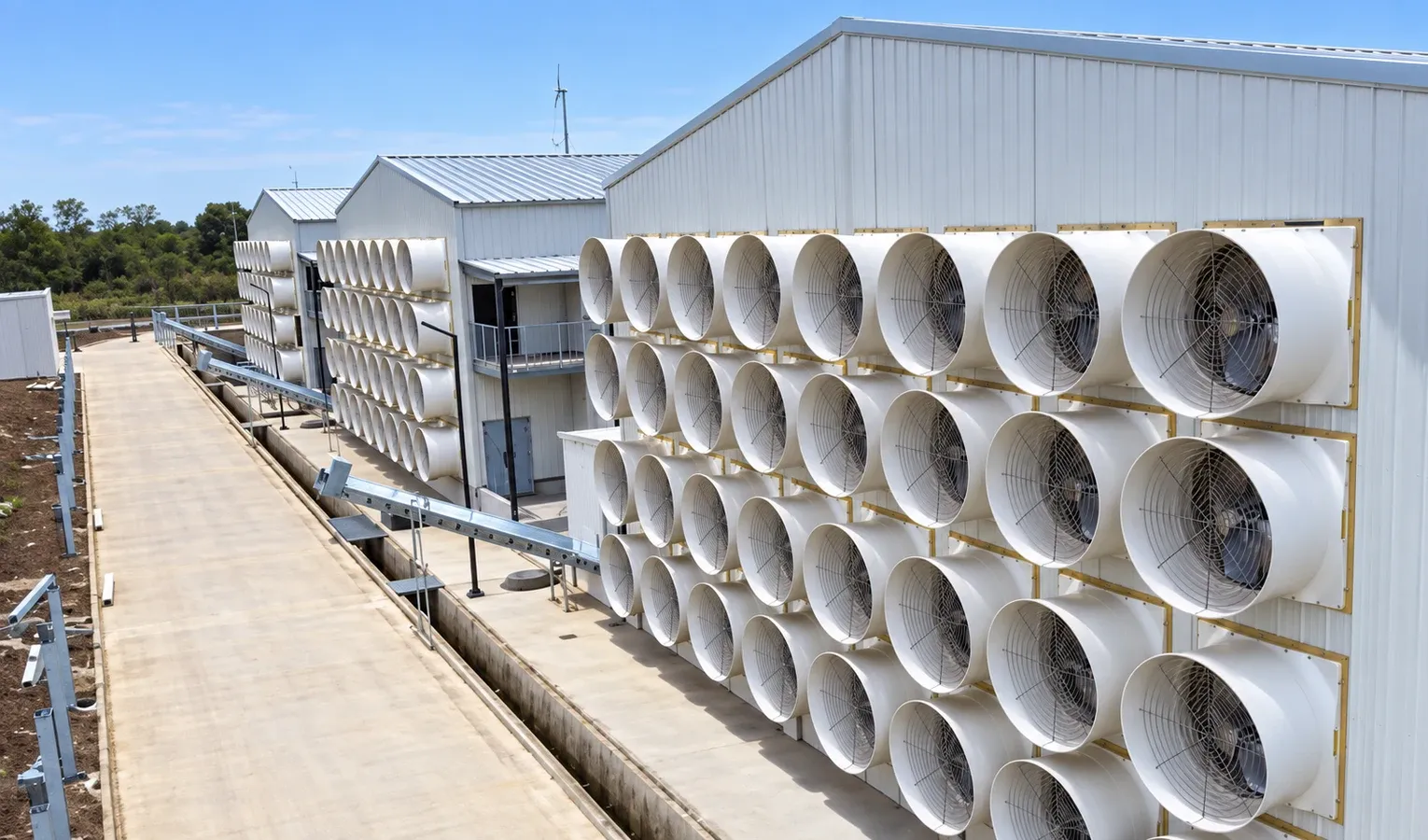
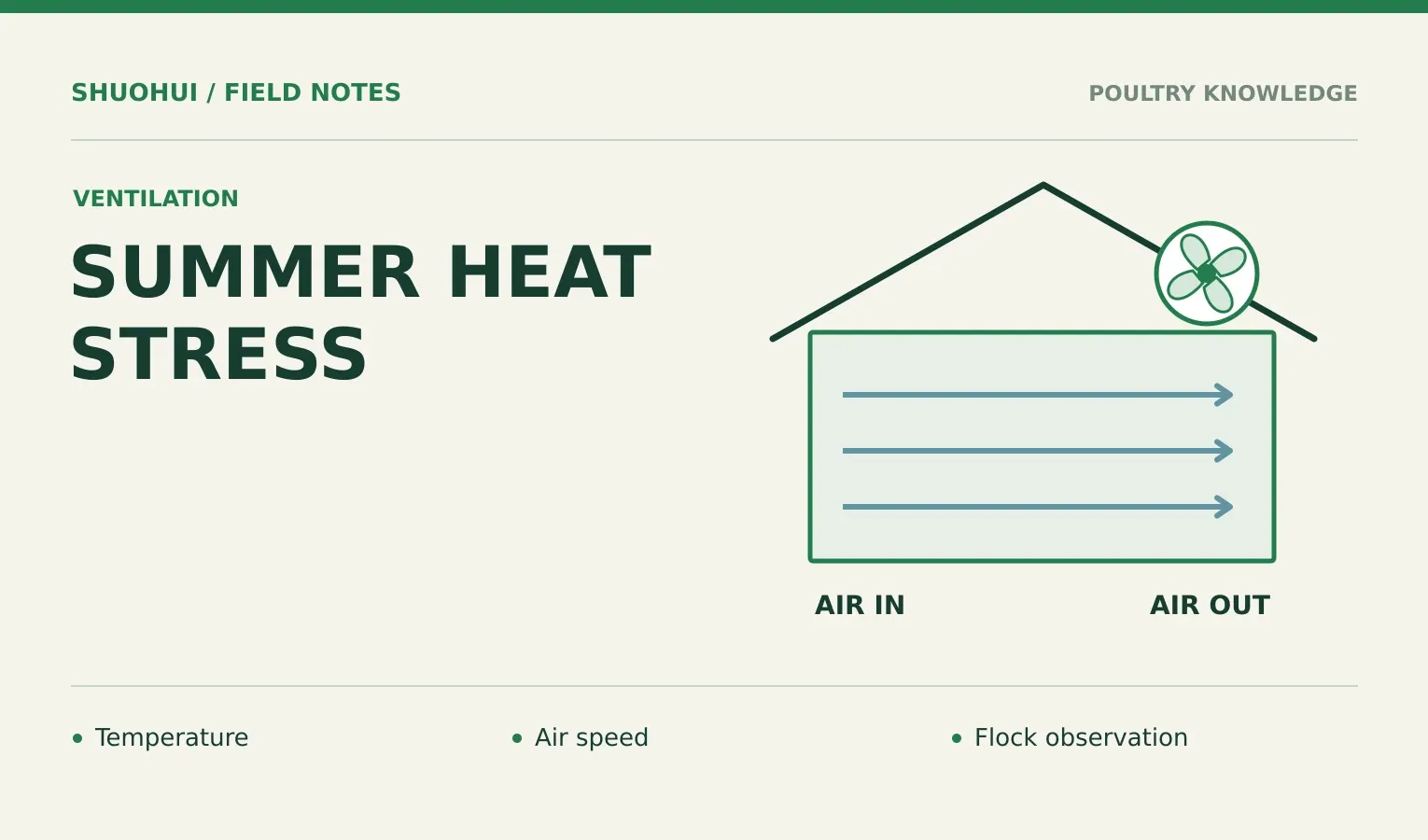
Ventilation and evaporative cooling are the physical defenses that keep barn conditions inside the safe zone. Moving air over the birds increases heat loss (wind-chill effect), while evaporative cooling pads or foggers lower incoming air temperature in dry conditions. The right system depends on your climate and house design, but the goal is the same: hold the barn as close to the 18-25°C comfort band as conditions allow, and keep THI below the 70-72 danger threshold. In humid climates, air speed matters more than evaporative cooling, since added moisture can do more harm than good.
Feeding Through the Heat
Because heat cuts intake, the summer diet must deliver the same nutrients in fewer grams — concentration is the strategy. Several nutritional tools help the flock cope:
- Add fat/oil — around 1.5% supplemental fat raises energy density with less metabolic heat than carbohydrate or protein
- Balance key amino acids — supplement lysine, methionine, and tryptophan so lower intake does not starve the hen of them
- Add sodium bicarbonate — buffers the respiratory alkalosis that panting causes and supports shell carbonate
- Concentrate calcium — maintain daily calcium grams despite lower feed intake
Every summer diet change should be checked with your nutritionist to keep the balance right at reduced intake.
Why Heat Thins Shells
Heat damages shells through a specific mechanism worth understanding. A panting hen blows off carbon dioxide, shifting her blood into respiratory alkalosis and reducing the carbonate available to the shell gland. Since carbonate is half of calcium carbonate, shells come out thinner even when calcium is adequate. This is why sodium bicarbonate supplementation and cooling both protect shell quality in summer — they address the carbonate shortfall as well as the intake drop.
Feeding and Working During Cool Hours
Timing shifts the burden of heat. Feeding during the cooler parts of the day — early morning and evening — encourages intake when the hen is most willing to eat, and gives the "heat increment" of digestion time to dissipate before the afternoon peak. Likewise, any handling, vaccination, or movement should be done in the cool of the day. Working with the daily temperature cycle rather than against it recovers meaningful intake and reduces stress deaths.
Managing the Peak of the Day
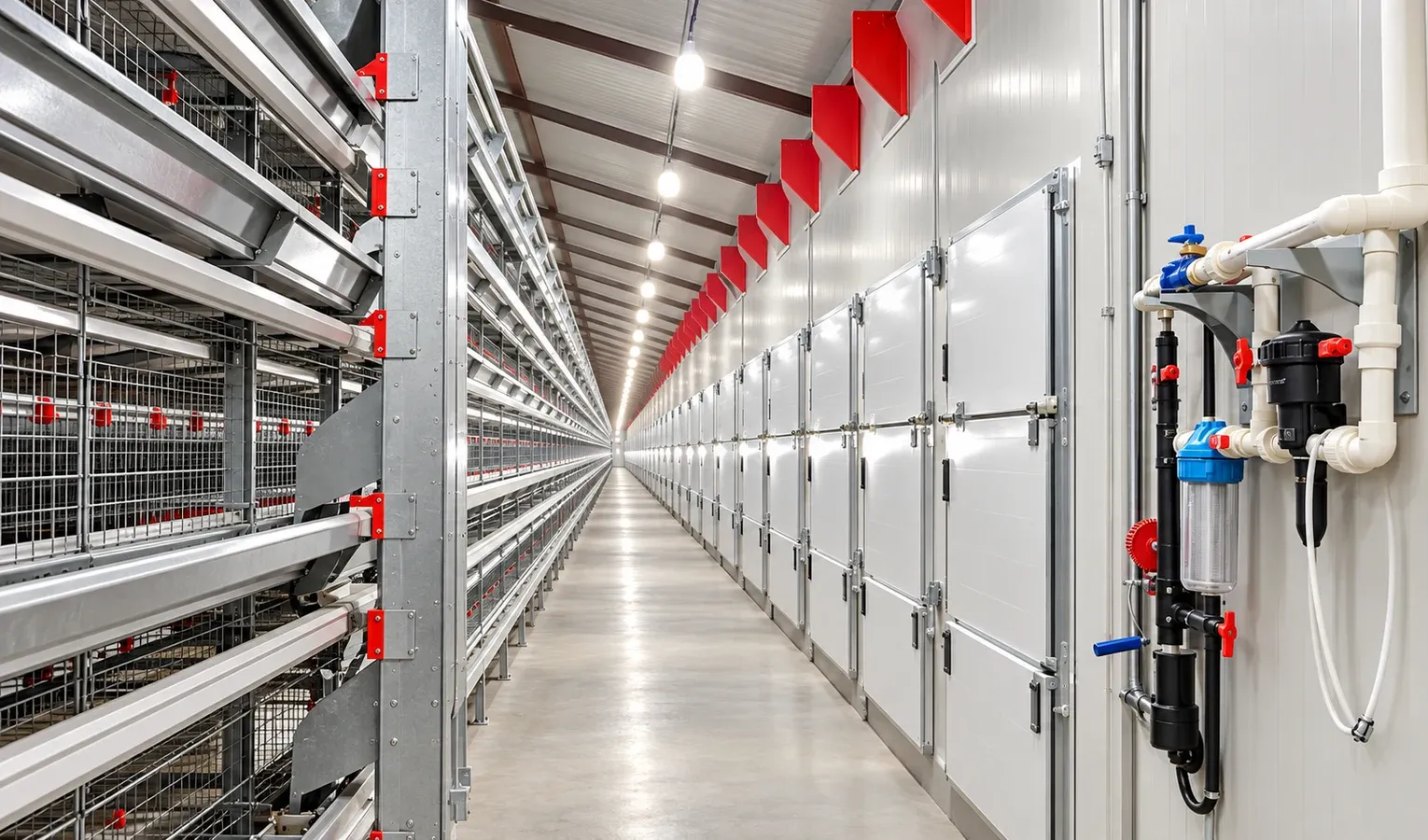
The hottest hours demand active management. Maximize air movement, keep evaporative cooling running where appropriate, ensure water is cool and flowing, and minimize any disturbance that adds to the birds' heat load. Avoid catching, moving, or crowding birds in the afternoon, when their heat tolerance is lowest and mortality risk is highest. A quiet, well-ventilated house with cool water gets a flock through the daily peak with the least damage.
Preparing Before Summer Arrives
Heat-stress management is far more effective as preparation than reaction. Before the hot season, service ventilation and cooling equipment, check water-system capacity, plan the summer diet, and set THI-based action thresholds so the team knows exactly when to escalate. Flocks that enter summer with a plan hold far more production than those that scramble once the barn is already hot. The best time to beat heat stress is before it starts.
Let Us Help You Prepare for the Heat
Beating heat stress is a system — cooling, ventilation, water, and nutrition working together to hold the flock in its comfort zone. Tell us your flock size, house type, and local summer climate, and our team will help you plan cooling and equipment sized to keep production through the hottest months. Share your details and we will help you get summer-ready.
Visual checklist
Related reading
Poultry Heat Stress: Production and Cooling Decisions
Water Management for Laying Hens
Further reading
UGA poultry ventilation resources
Check operating targets against bird age, local climate, measured house conditions and the equipment specifications. A general design example does not replace a house-specific ventilation assessment.