
At a glance. Review housing conditions, biosecurity and diagnostic records when discussing E. coli or Mycoplasma concerns with the flock veterinarian.
Few problems frustrate poultry managers more than the stubborn cough-and-rattle of chronic respiratory disease that keeps coming back no matter how many antibiotics you use. The reason is that two organisms - avian E. coli and Mycoplasma gallisepticum - work as a team, and behind them stands an environment of high ammonia, poor ventilation and airway-damaging viruses. Treating one while ignoring the others guarantees relapse. This guide explains why these agents travel together, how they spread, why keeping ammonia below 20 ppm matters so much, and how to build an antibiotic strategy around sensitivity testing and rotation. Every dose and figure here is a reference to confirm with your own veterinarian.
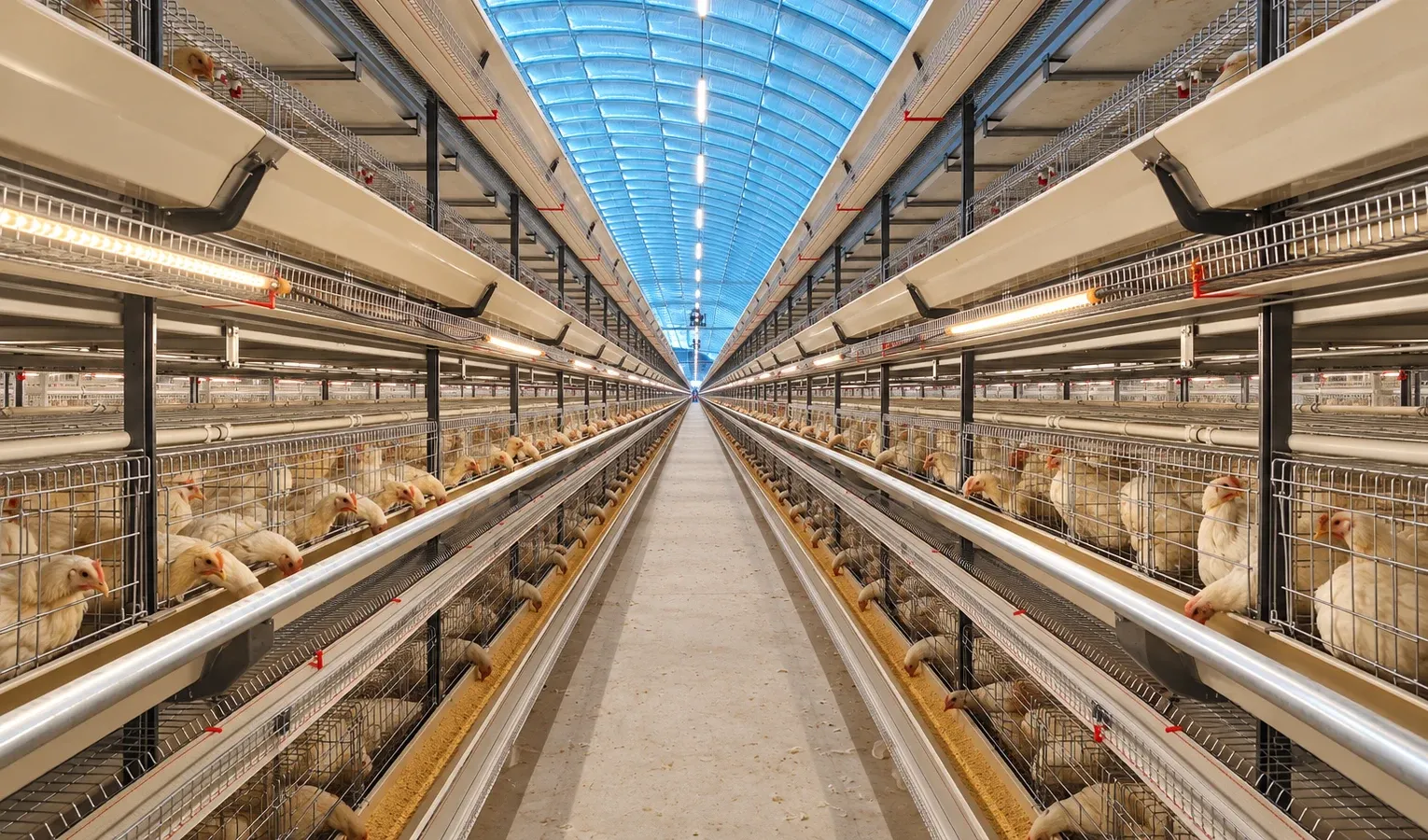
Why E. coli and Mycoplasma Travel Together
Avian E. coli, the cause of colibacillosis, is usually a secondary invader rather than a lone primary pathogen. It waits for something else - a virus, a Mycoplasma, dust or ammonia - to damage the airway or stress the bird, then moves in to cause serious disease. Mycoplasma gallisepticum is one of its most frequent partners, producing the classic "complicated CRD" that is so hard to shift.
- E. coli is typically a secondary, opportunistic invader
- It exploits airway damage caused by other agents
- Mycoplasma gallisepticum is a common co-conspirator
- Together they produce persistent "complicated CRD"
- Treating one without the other invites relapse
What E. coli Does in the Bird
Once E. coli gets a foothold, it can express itself in several distinct forms depending on where it lodges. The respiratory form produces airsacculitis, the septicaemic form (colisepticaemia) spreads through the bloodstream and kills, the enteric form disturbs the gut, and localised forms cause arthritis, synovitis, salpingitis and yolk sac infection in young chicks.
- Respiratory form: airsacculitis and cloudy air sacs
- Septicaemic form: colisepticaemia, often fatal
- Enteric form: gut disturbance and poor performance
- Localised forms: arthritis, synovitis and salpingitis
- Yolk sac infection strikes chicks in the first week
Chronic Respiratory Disease (CRD) and MG
Chronic respiratory disease is driven by Mycoplasma gallisepticum, and it tends to flare in winter and spring when cold stress and closed-up houses raise the pressure on the airway. On its own MG causes a slow, grinding respiratory disease, but complicated by E. coli it becomes far more damaging, with heavy air sac lesions and real mortality.
- CRD is caused by Mycoplasma gallisepticum (MG)
- It worsens in winter and spring with cold, closed housing
- MG alone causes slow, chronic respiratory signs
- Complicated by E. coli it turns severe
- Production and hatchability both suffer in breeders
Mycoplasma Synoviae
A second Mycoplasma, M. synoviae (MS), rounds out the picture. MS classically causes joint and tendon problems - infectious synovitis with swollen hocks and footpads and lameness - but it can also settle in the respiratory tract and add to air sac disease, overlapping with MG.
- MS causes synovitis, swollen joints and lameness
- It can also contribute to air sac and respiratory disease
- MS and MG signs can overlap in the same flock
- MS quietly erodes eggshell quality in layers
- Distinguishing MS from MG needs laboratory testing
How These Spread: Horizontal and Vertical
Both organisms spread horizontally between birds through respiratory droplets, contaminated equipment and people. But Mycoplasma has a second, more insidious route: vertical transmission from an infected breeder through the egg to the chick. That means a problem can arrive with your day-old chicks, already seeded before they ever reach your farm.
The practical lesson is decisive: source chicks from MG and MS-clean breeder flocks. No amount of on-farm hygiene fully compensates for infected parent stock.
- Horizontal spread: droplets, dust, equipment and people
- Vertical spread: infected breeder to chick through the egg
- Mycoplasma can arrive already present in day-old chicks
- Source chicks from certified MG/MS-clean breeders
- Clean parent stock is the foundation of control
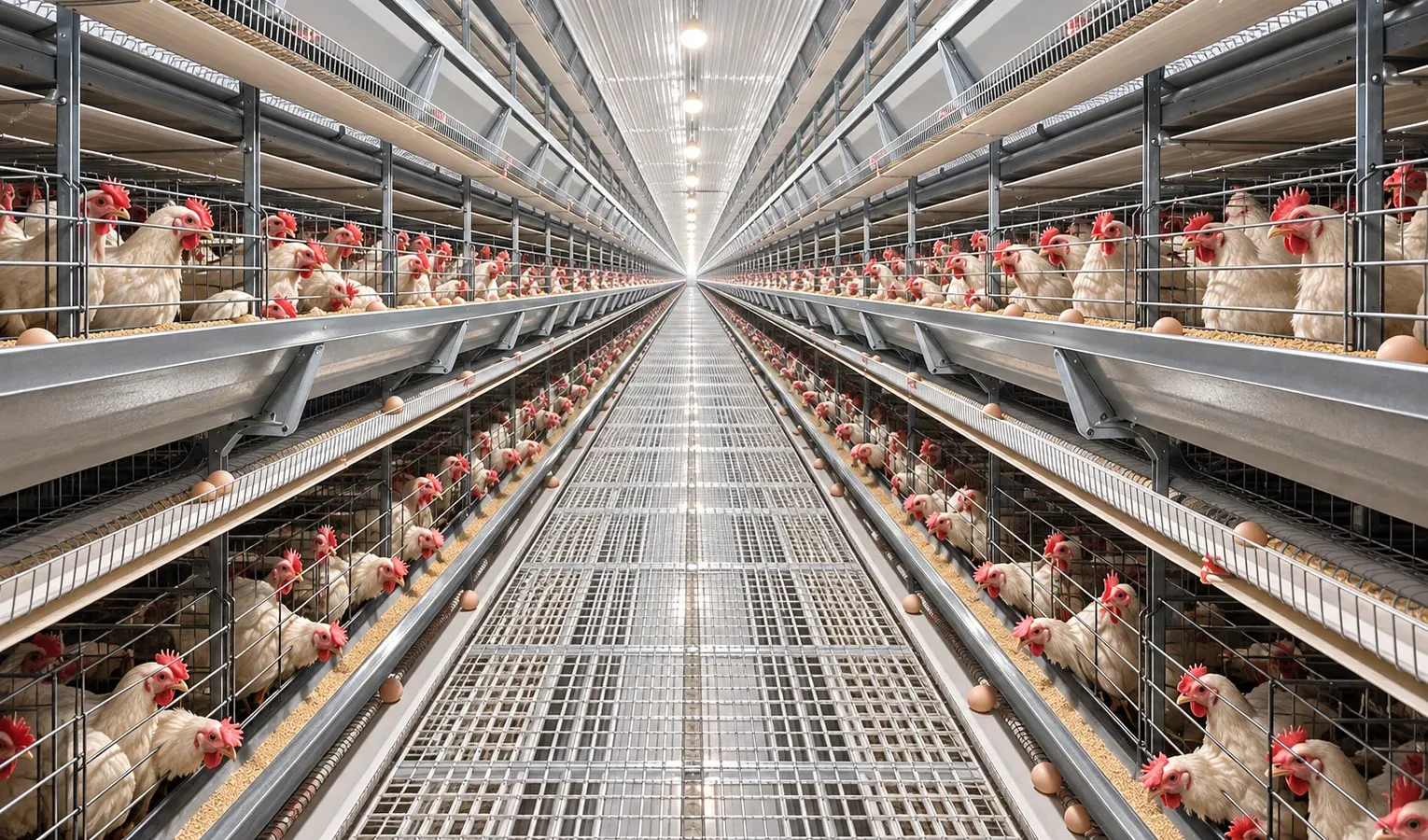
The Environmental Triggers: Ammonia and Ventilation
The real root cause of most CRD outbreaks is the environment, not just the bug. High ammonia above 20 ppm paralyses the tiny cilia that sweep the airway clean, poor ventilation lets dust and moisture build, and chilling stresses the birds - together opening the door wide for E. coli and Mycoplasma. Get the house right and half the battle is won before any medication.
- Keep ammonia below 20 ppm - higher levels cripple airway cilia
- Ventilate to remove dust, moisture and stale air
- Avoid chilling and sharp temperature swings
- Keep litter dry to limit ammonia generation
- A good environment prevents more disease than any drug
The Role of Viral Respiratory Disease
Viral infections are frequently the spark that lights the fire. Newcastle disease (ND) and infectious bronchitis (IB) damage the lining of the respiratory tract, stripping away the bird's first line of defence and paving the way for Mycoplasma and E. coli to invade. This is why a strong ND/IB vaccination program is a cornerstone of CRD control, not just a separate disease measure.
- ND and IB viruses damage the airway lining
- That damage lets E. coli and Mycoplasma invade
- A solid ND/IB vaccination program protects the airway
- Preventing viral disease prevents much bacterial disease
- Plan ND/IB vaccination with your veterinarian as a reference schedule for your region
Diagnosis and Sensitivity Testing
Because so many agents overlap, guessing at the cause wastes time and antibiotics. A proper diagnosis combines post-mortem findings, serology for MG and MS, and bacterial culture with antibiotic sensitivity testing. Sensitivity testing is especially valuable because E. coli resistance patterns vary enormously between farms and regions - the drug that worked last year may fail today.
- Confirm the diagnosis with post-mortem and laboratory work
- Use serology to detect MG and MS exposure
- Culture E. coli and run antibiotic sensitivity testing
- Let sensitivity results, not habit, choose the antibiotic
- Resistance patterns differ by farm - test rather than assume
Antibiotic Strategy and Rotation
When treatment is needed, several antibiotic classes are active against Mycoplasma and secondary E. coli: macrolides such as tylosin and tilmicosin, tetracyclines such as oxytetracycline and doxycycline, erythromycin, and fluoroquinolones such as enrofloxacin. The keys are to rotate classes, base choices on sensitivity testing, and never lean on a single drug until it fails.
This is a reference program only - confirm the exact antibiotics, doses and duration with your local veterinarian, and follow your region's antibiotic regulations, because rules on fluoroquinolones in particular vary widely.
- Macrolides: tylosin, tilmicosin
- Tetracyclines: oxytetracycline, doxycycline
- Others: erythromycin and, where permitted, enrofloxacin
- Rotate classes and be guided by sensitivity testing
- Confirm every choice with your veterinarian and local rules - this is a reference, not a prescription
Withdrawal Periods and Residues
Every antibiotic carries a withdrawal period, the interval between the last treatment and slaughter or egg sale that lets residues clear the bird. Honouring withdrawal times protects consumers, keeps your product legal for export, and safeguards your farm's reputation. Because withdrawal times differ by drug and country, build them into your treatment plan from the first dose.
- Always observe the labelled withdrawal period
- Withdrawal protects consumers and export eligibility
- Times vary by drug, formulation and country
- Keep clear records of every treatment and date
- Confirm exact withdrawal periods with your veterinarian for your market
Prevention: Biosecurity and Clean Breeders
Prevention beats treatment every time with this disease complex. Tight biosecurity keeps new strains out, all-in / all-out flow with proper downtime breaks the cycle between batches, and sourcing from MG/MS-clean breeders stops vertical transmission at the root. These measures cost discipline rather than drugs, and they pay back in flocks that simply stay healthy.
- Enforce strict biosecurity and controlled access
- Use all-in / all-out flow with real downtime
- Source only from MG/MS-clean breeder flocks
- Control rodents, wild birds and shared equipment
- Prevention is cheaper and more reliable than treatment
Vaccination Options
In areas where Mycoplasma pressure is high and cannot be eliminated by biosecurity alone, MG and MS vaccines - both inactivated and live products - can reduce clinical disease, shedding and egg transmission. They are a management tool for problem regions, layered on top of a strong ND/IB program that protects the airway from the viral damage that starts the cascade.
- MG and MS vaccines suit high-pressure problem areas
- Available as inactivated and live products
- They reduce clinical disease and egg transmission
- Use them alongside, never instead of, biosecurity
- Keep ND/IB vaccination strong to protect the airway first
Planning Healthy Housing with Your Team
Controlling E. coli and Mycoplasma comes down to the air your birds breathe: ammonia below 20 ppm, steady ventilation, dry litter and low dust do more than any antibiotic course. If you are designing housing, cage layout or ventilation to keep ammonia down and airflow steady, our technical team is glad to help you plan an environment that keeps respiratory disease from taking hold. Reach out and let's design equipment and ventilation that give your flocks room to breathe.
Visual checklist

Related reading
Poultry Respiratory Health: Prevention and Monitoring
Poultry Farm Biosecurity: People, Vehicles and Equipment
Further reading
Disease prevention and treatment must be adapted to the flock and local requirements. Confirm medicines, vaccines and disinfectant procedures with the responsible veterinarian and the approved product instructions.