At a glance. Prepare a broiler vaccination discussion using hatchery history, local disease risks, product directions and veterinarian-approved flock records.
Broiler vaccination is an exercise in precision under time pressure. With birds marketed at just 42-48 days of age, there is no room for a long, layered schedule like a layer flock receives. Instead, a broiler program is compact and front-loaded: a strong day-old start at the hatchery, one or two carefully timed on-farm boosters, and clean single-age flow to give the sharpest possible disease break. This article sets out a practical reference vaccination framework for broilers and, just as importantly, explains the timing and technique that decide whether that vaccine actually works.
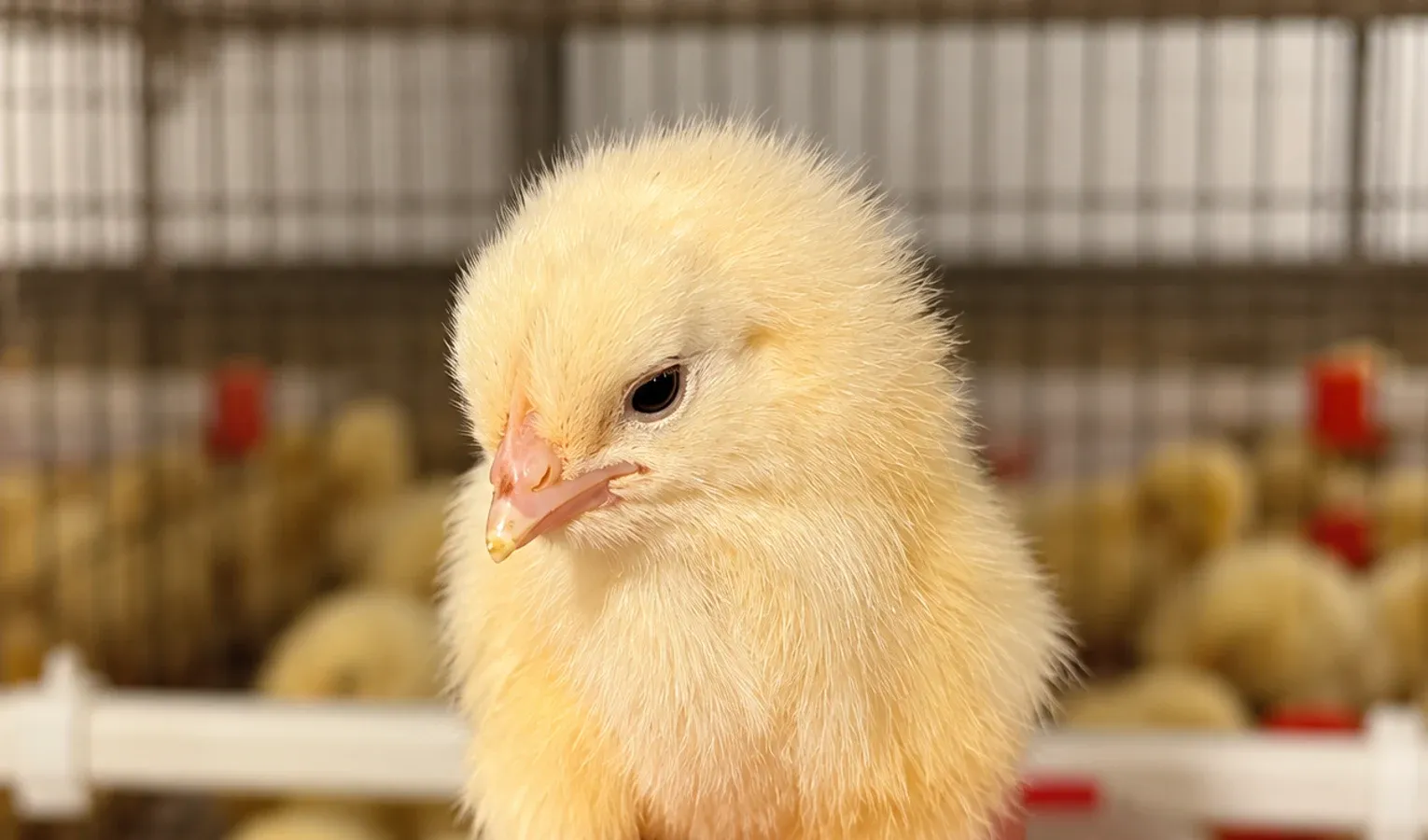
Broilers Need a Lean, Well-Timed Plan
Because a broiler's life is so short, the whole philosophy differs from layers. You cannot rely on slow-building immunity or many boosters; each dose must count from the first days.
The broiler approach is built for speed:
- Fewer vaccines, because the bird is exposed for only about 6 weeks
- Heavy reliance on the day-old hatchery start
- Tight timing, since a mistimed dose cannot be repeated later
- Focus on the few diseases that cause early, catastrophic loss
- Technique matters enormously when every dose is critical
How the 42-48 Day Cycle Shapes the Schedule
The market age dictates everything. There is simply no time to wait for immunity that takes many weeks to mature, so the program compresses into the first three weeks of life.
The short cycle forces key choices:
- All primary vaccines are given by roughly 21 days
- Live vaccines are favored for their fast response
- Inactivated pre-lay vaccines used in layers are unnecessary here
- Protection only needs to hold for about 42-48 days
- Any booster must fit before birds are too large to handle easily
Day-Old Vaccination at the Hatchery
The hatchery visit is the backbone of broiler protection. Controlled conditions and trained staff make it the ideal place to deliver the first, most important doses uniformly across thousands of chicks.
A typical day-old reference program includes:
- Marek's disease vaccine in some markets and integrated systems
- Newcastle disease (ND) plus infectious bronchitis (IB) by coarse spray or eye-drop
- Uniform application across every chick in the batch
- A strict cold chain and correct reconstitution at the hatchery
- Delivery records confirming exactly what each batch received
These day-old ages and combinations are a reference framework - confirm the specific vaccines and timing with your local veterinarian and adjust to the diseases active in your area.
The ND + IB Backbone
Newcastle disease and infectious bronchitis are the two respiratory threats that shape almost every broiler program. Together they form the backbone that a lean schedule is built around.
Manage this pair as a linked system:
- Prime ND and IB at day-old by coarse spray or eye-drop
- Give an ND and IB booster at around 14-21 days of age
- Match IB strains to the variants circulating locally
- Use live vaccines for a fast mucosal response in the airways
- Watch respiratory signs closely, as these diseases move quickly in dense flocks
Gumboro Timing and Maternal Antibody
Infectious bursal disease (IBD, or Gumboro) is the classic timing puzzle in broilers, because it attacks the immune system just when the bird is building its defenses. Get the day wrong and the vaccine either fails or leaves a dangerous gap.
Gumboro vaccination depends on the chicks' starting immunity:
- Live IBD vaccine commonly given around 14-21 days of age
- Timing driven by the level of maternal antibody the chicks carry
- Some programs give IBD once; others give it twice under heavy challenge
- Intermediate or intermediate-plus strains chosen to match field pressure
- Vaccinating too early is neutralized by maternal antibody; too late leaves birds exposed
Because this window is so sensitive, treat the ages here as a reference and confirm the exact day and strain with your veterinarian based on your flock's maternal antibody levels.

Maternal Antibody and the Deventer Idea
It helps to understand why maternal antibody controls IBD timing. Chicks inherit antibodies from the hen that protect them early but also block live vaccine if it is given too soon.
The concept behind formulas like the Deventer approach is simple when stated plainly:
- Chicks start with a pool of inherited maternal antibody
- That antibody fades predictably as the bird grows
- Vaccinate too early and maternal antibody neutralizes the vaccine
- Vaccinate too late and field virus can infect during the unprotected gap
- Sampling chick antibody levels helps pinpoint the ideal vaccination day
The practical takeaway is that a lab test of maternal antibody, interpreted by your veterinarian, beats guessing at the calendar.
Coccidiosis: Vaccine or Anticoccidial
Coccidiosis is a parasite problem rather than a virus, and broiler producers choose between two control strategies. Both can work well; the right choice depends on your system and market.
Weigh the two approaches:
- A live coccidiosis vaccine given at day-old seeds controlled early immunity
- In-feed anticoccidial products suppress the parasite chemically through the cycle
- Vaccination suits antibiotic-free and premium programs
- Good litter management supports vaccine cycling of the parasite
- The choice interacts with feed strategy, so plan it with your veterinarian and nutritionist
Avian Influenza Where Required
In regions where H5 avian influenza is endemic or legally mandated, broilers receive a primary dose despite their short life. This is governed by national rules rather than farm preference.
Handle avian influenza vaccination carefully:
- Primary vaccination commonly around 7-14 days of age where required
- Follow national regulations, which may make it compulsory or restricted
- Coordinate with official veterinary services on approved products
- Record every dose for traceability and compliance
- Never substitute vaccination for biosecurity, which remains the first defense
Because rules vary widely by country, treat this as a reference only and follow your local authority and veterinarian.
Getting Drinking-Water Vaccination Right
On the farm, drinking water is the usual delivery route for boosters, and it is where most vaccine is wasted. Done casually, water vaccination can leave much of the flock unprotected.
Follow the proven technique step by step:
- Withhold water for a short period beforehand so birds drink eagerly
- Use clean, cool water free of chlorine and disinfectant
- Add a stabilizer such as skim milk powder to protect the live virus
- Mix only what the flock will drink within the recommended window
- Ensure enough drinker space so every bird gets a dose quickly
Skipping any of these steps can quietly cut your protection, so treat the method as strictly as the timing.
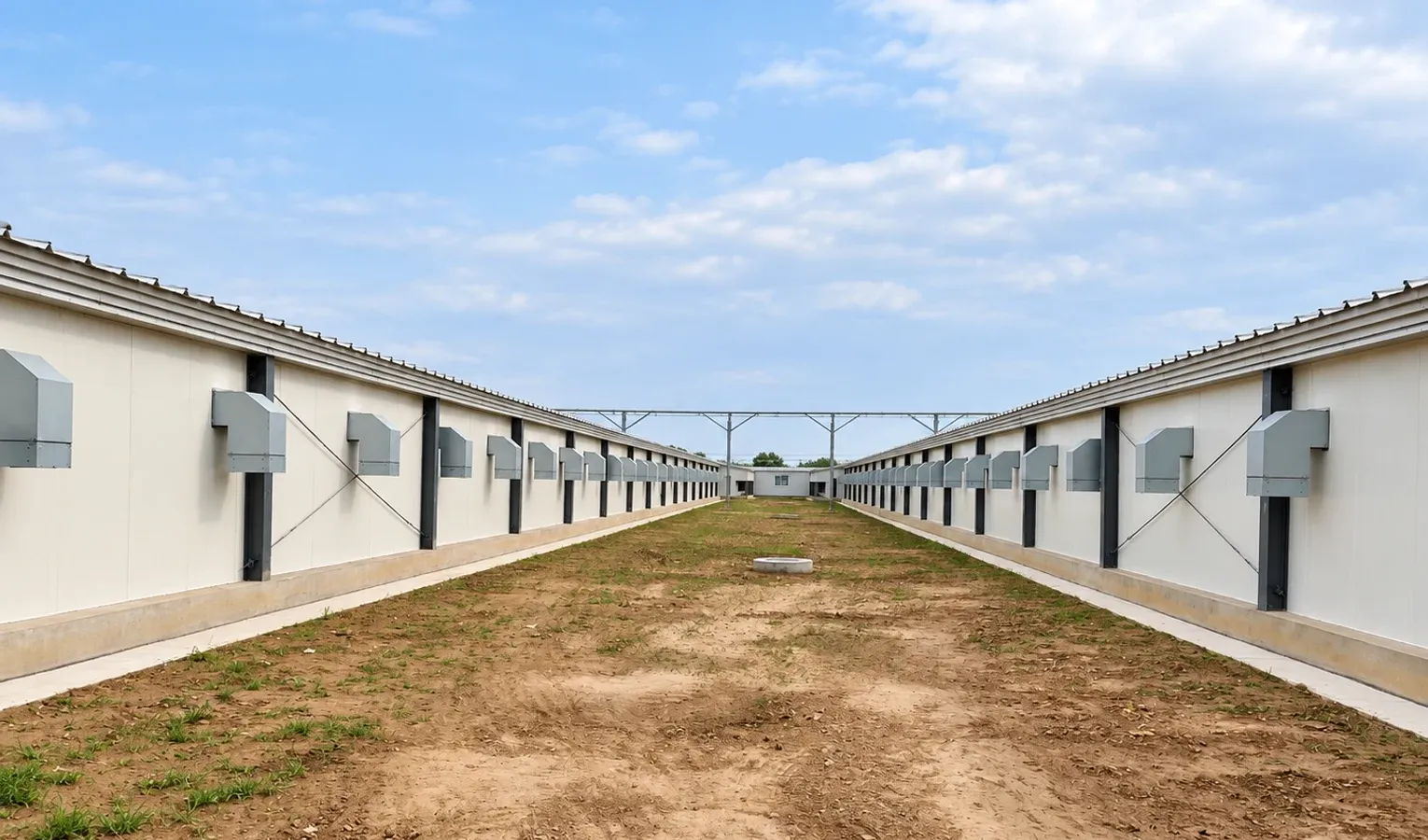
Single-Age, All-In-All-Out Flow
Vaccines work best inside a clean management system. Running a single age group and clearing the site completely between flocks gives the sharpest disease break available.
Build the flow around a full reset:
- Place one single age group per site or house
- Move the whole flock out together at the end of the cycle
- Clean, wash and disinfect every surface before the next placement
- Allow a proper downtime for drying and pathogen die-off between flocks
- Avoid multi-age sites, which let disease cycle continuously from old to young
Common Mistakes That Waste Vaccine
Most vaccine failures are not the product's fault; they are avoidable handling and timing errors. Knowing the common traps prevents them.
Watch for these frequent mistakes:
- Breaking the cold chain or leaving vials in sunlight
- Using chlorinated water without a stabilizer for live vaccines
- Mistiming IBD against maternal antibody
- Uneven spray coverage so some chicks get little or no vaccine
- Poor record keeping that hides which birds got what
Monitoring and Troubleshooting
A short broiler cycle leaves little time to react, so watch each flock closely and learn across flocks. Monitoring turns problems into lessons for the next placement.
Keep a close eye and a clear record:
- Track daily mortality and watch for respiratory or gut signs
- Run titre checks where useful to confirm the response
- Investigate any spike promptly with your veterinarian
- Review vaccination records against performance after each flock
- Adjust timing and technique for the next cycle based on what you find
A well-run broiler program is short, precise and deeply dependent on good housing and clean flow. If you are setting up or upgrading a broiler operation, our team is glad to help you plan the house layout, equipment and ventilation that make single-age, all-in-all-out management simple and vaccination easy to deliver. Reach out and we will help you design a setup that gives every flock the cleanest possible start.
Visual checklist
Related reading
All-In-All-Out Poultry Management and Downtime
Poultry Water Lines: Cleaning and Vaccination Planning
Further reading
Disease prevention and treatment must be adapted to the flock and local requirements. Confirm medicines, vaccines and disinfectant procedures with the responsible veterinarian and the approved product instructions.