At a glance. Prepare a repeatable chick-placement inspection covering activity, uniformity, navels and records, and agree follow-up with the hatchery team.
Every grow-out inherits the quality of the chick that walked into it. You can run the best brooding, feed, and ventilation in the region and still miss target if the day-old chicks arrived weak, uneven, or infected. Chick quality is not a vague impression — it is measurable at placement, and the numbers predict first-week mortality, uniformity, and final weight with uncomfortable accuracy. A top-grade chick weighs at least 33 g, scores 9 or higher on the Pasgar scale, shows a clean healed navel, and comes from a batch with first-day mortality under 0.1%. Learning to grade the box in the first hour turns a passive delivery into an active quality gate.
Why Grade at All
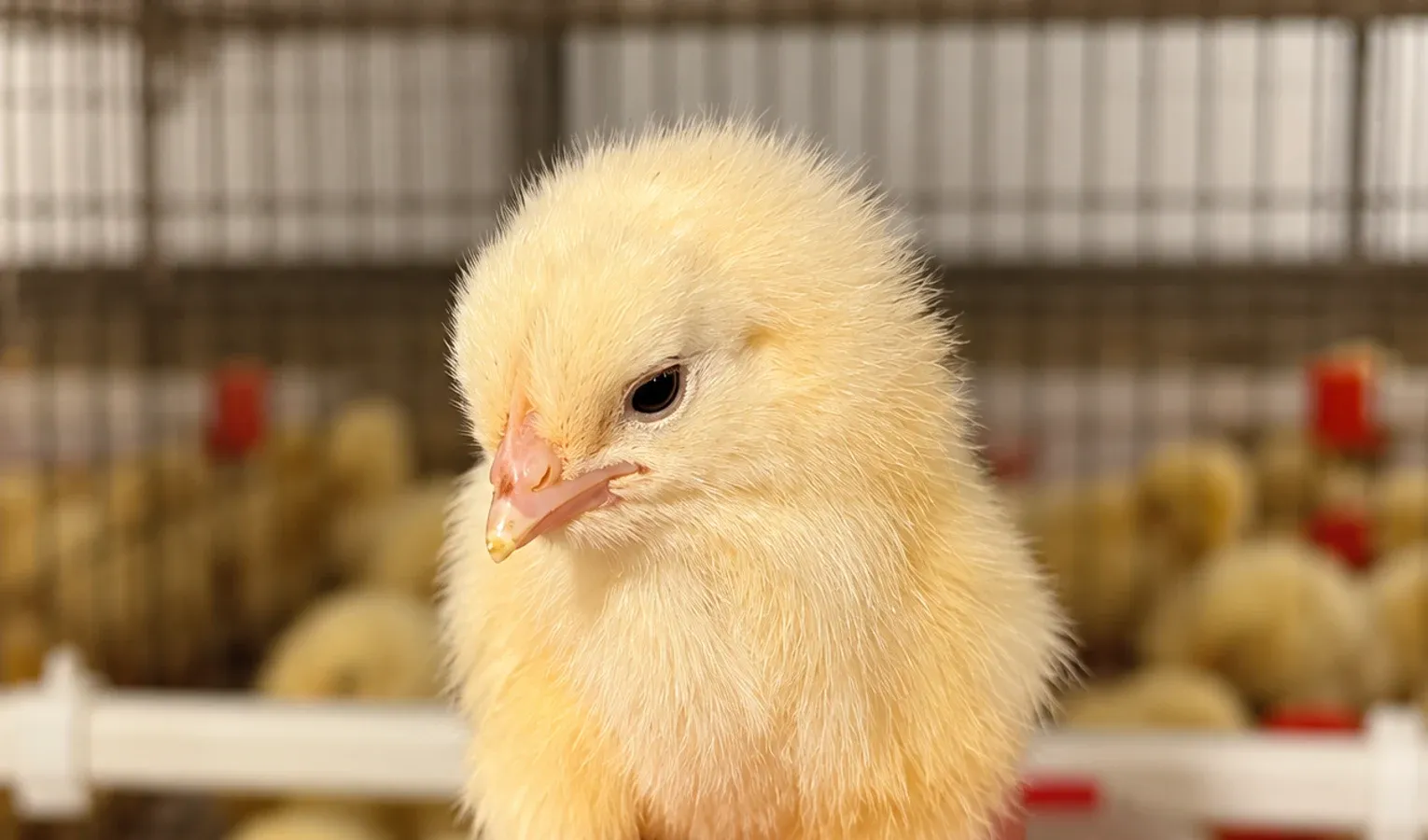
Hatcheries vary, breeder flock age varies, and transport conditions vary. Grading a representative sample of every delivery gives you an early warning and a paper trail. It tells you whether a disappointing week 1 was your management or the chick you started with.
- Chick quality sets the ceiling on flock performance — management can only approach it, never exceed it.
- Objective scores let you compare hatcheries and breeder sources over time.
- A documented grade protects you when a batch underperforms for reasons outside the barn.
Start With Placement Weight
Weight is the fastest, most repeatable quality signal. A healthy broiler chick generally weighs about two-thirds of the egg it hatched from, and heavier chicks at placement tend to finish heavier.
- Target a minimum placement weight of 33 g, with a normal range of roughly 31-38.5 g.
- Weigh a sample of at least 100 chicks to get a stable average and spread.
- Very light chicks lag all the way to processing and are the first to die in the brooding phase.
Uniformity Matters as Much as Average
A good average weight can hide a badly mixed box. A batch that is half heavy and half tiny will never brood evenly, because one temperature and one feeder height cannot suit both. Measure the spread, not just the mean.
- Calculate the coefficient of variation (CV) on chick weight; tight batches sit in the single digits.
- Wide variation at day-old predicts wide variation at market age.
- If the box is visibly uneven, expect to work harder on brooding temperature and feeder access.
The Pasgar Score: A Structured Chick Audit
The Pasgar score is a practical scoring system that starts each chick at a perfect 10 and deducts a point for each defect found. It condenses several separate observations into one number you can track batch to batch.
- Each chick begins at 10; deduct one point per defect in reflex, navel, legs, beak, and belly.
- A batch averaging 9.0 or higher is considered good quality.
- Score a fixed sample the same way every delivery so trends are comparable.
Reflex and Activity
The first Pasgar check is the righting reflex. Place a chick on its back; a strong chick flips upright almost instantly. Sluggish or slow-to-right birds signal weakness, chilling, or a poor hatch window.
- A vigorous chick rights itself in a couple of seconds.
- Alertness, bright eyes, and a strong chirp all point to a good hatch.
- Lethargy across many birds suggests a hatch that ran too long, too hot, or too dry.

Navel Quality: A Window Into the Hatch
The navel is where the yolk sac was drawn in, and it is a direct readout of hatch conditions and infection risk. A perfect navel is closed, clean, and hard to find. A poor navel is an open door for bacteria straight into the abdomen.
- Look for a fully closed, clean, well-healed navel with no button, string, or black scab.
- Open, wet, or discolored navels correlate with early yolk-sac infection and first-week mortality.
- A high rate of poor navels in the sample points back to incubation and hatchery hygiene.
Yolk Reserves and the Belly Check
The residual yolk sac fuels the chick until it starts eating, but the abdomen should feel supple, not hard and distended. A big, taut belly usually means unabsorbed yolk from a hatch that finished too early or a chick that has not started feeding.
- Feel for a soft, flexible abdomen — the sign of a well-timed hatch.
- The residual yolk should be modest and absorbed over the first days as feed intake takes over.
- Hard, swollen bellies flag late feeding or incubation problems and higher cull risk.
Legs, Hocks, and Feet
Leg quality is both a welfare and a performance indicator. Chicks should stand and walk cleanly, with no red, swollen hocks and no splayed or dehydrated shanks.
- Legs should be clean, waxy, and well hydrated, with no red or bruised hocks.
- Splayed legs or an inability to stand point to slippery hatcher trays or leg weakness.
- Dry, dull shanks signal dehydration during holding or transport.
Beak and Overall Finish
The beak should be clean and well formed, and the down should be dry and fluffy. Wet, sticky, or matted down usually means the chick hatched late or came off the tray damp.
- A clean, symmetrical beak with no crossing or damage.
- Dry, fluffy, evenly colored down — not matted, sticky, or stained.
- A chick that is clean, dry, and alert has cleared the visual finish check.
The Mortality Numbers That Confirm the Grade
Grading predicts, but the flock's own mortality curve confirms. Two early figures tell you whether the batch was truly sound.
- Aim for first-day mortality under 0.1% from a quality delivery.
- Keep an eye on cumulative first-week mortality, where under about 1% signals a strong start.
- A spike around day 3 often reflects yolk-sac infection traced back to poor navels at placement.
Breeder Flock Age Shapes the Chick You Get
Not every quality difference is a hatchery fault — the age of the breeder flock the eggs came from has a large, predictable effect on chick size and vigor. Knowing the source age helps you interpret a grade fairly and adjust brooding accordingly.
- Young breeder flocks (early lay) produce smaller, lighter chicks that need extra brooding attention and warmth.
- Older breeder flocks lay larger eggs and heavier chicks, which tend to start faster.
- If a light batch traces to young-flock eggs, adjust brooding temperature and feed access rather than blaming the hatchery.
Hock and Chick Length as Extra Signals
Beyond weight and the Pasgar defects, two more measures sharpen the grade. Chick length reflects incubation quality and development, and hock condition flags handling and thermal stress during hatch and holding.
- Chick length of roughly 19-20 cm is used as a supplementary quality benchmark.
- Red, swollen, or scored hocks point to rough hatchery handling or a poor hatch window.
- Combining weight, length, hock, and navel gives a fuller picture than any single measure alone.
Turning Grades Into Decisions
A grade only earns its keep if it changes what you do. Use the scores to tune management for the batch you actually received, and to hold suppliers accountable over time.
- A borderline-light or uneven batch justifies extra attention to brooding temperature and early feed access.
- Persistent low Pasgar scores or poor navels from one source are a supplier conversation, backed by data.
- Log weight, CV, Pasgar, and navel rate every delivery to build a picture no single crop can give you.
A Repeatable Grading Routine
Consistency is what makes grading useful. Score the same way, at the same point in placement, every time, so the numbers mean something across weeks and seasons.
- Pull a random sample of at least 100 chicks as the box is opened.
- Record average weight and CV, average Pasgar, navel quality, and first-day mortality.
- Compare against your targets: weight 33 g+, Pasgar 9.0+, clean navels, day-one loss under 0.1%.
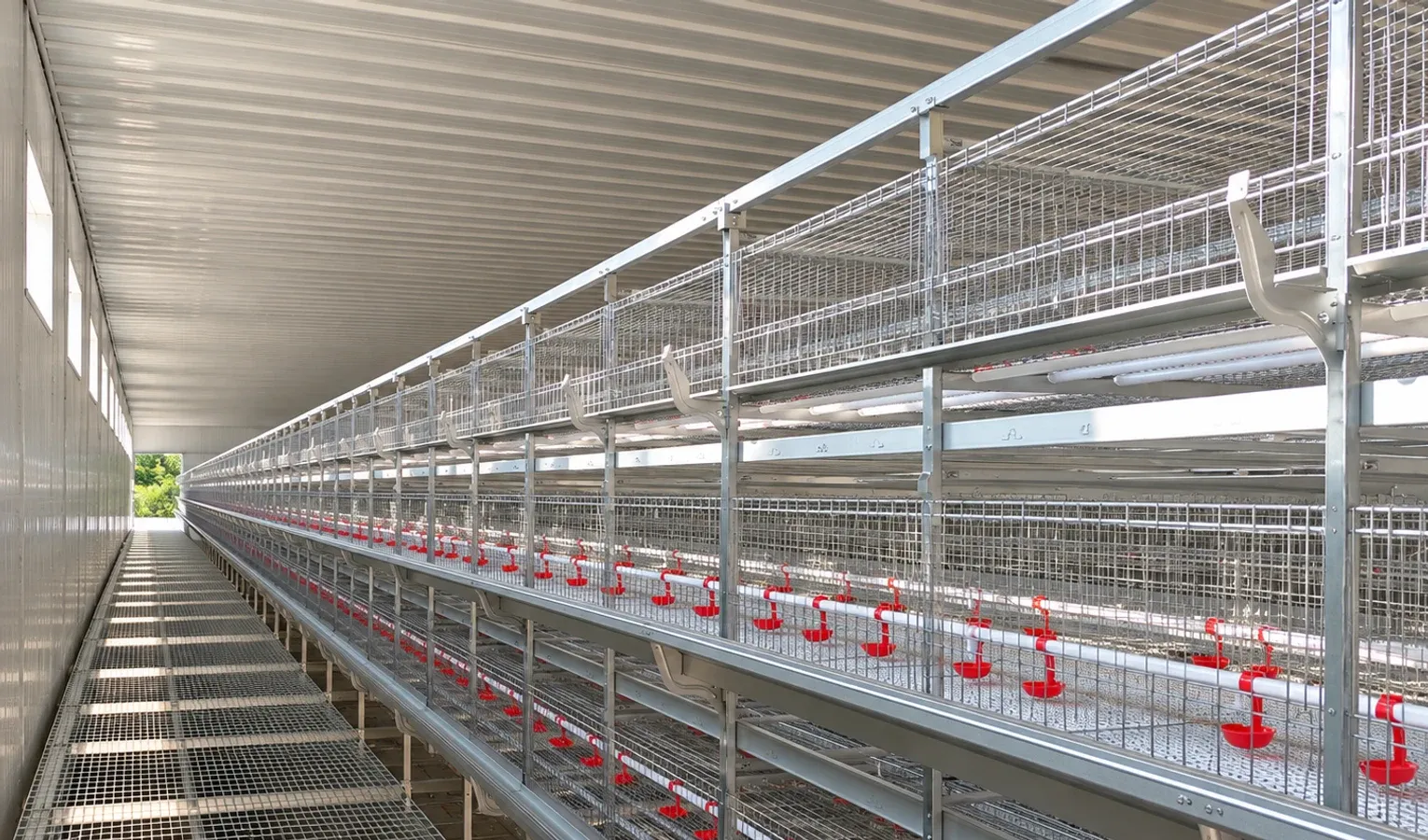
A strong grow-out is a partnership between the chick you receive and the house you place it in. Grade honestly, feed the results back to your hatchery, and match your brooding setup to the chicks that actually arrive. If you are planning or upgrading a brooding house, it is worth designing the space around uniform early care — even heat, easy feed access, and clean water — so a good chick keeps the advantage it walked in with.
Visual checklist
Related reading
Day-Old Chick Placement: First Feed and Water Access
Broiler Brooding: First-Week Environment and Access
Further reading
Use the management guide for the actual breed, age and housing system when selecting flock targets. Review changes with the farm team and the relevant nutrition, health or equipment specialist.