At a glance. Review catching, loading, journey conditions and arrival records to identify practical improvements in a poultry transport and welfare plan.
Everything you invested in a broiler flock — the brooding, the feed, the health program — can be undone in the final hours before processing. Catching, feed withdrawal, and transport are where weeks of careful growth meet a sudden burst of handling and stress, and where losses that never had to happen quietly accumulate. The industry benchmark tells the story: commercial dead-on-arrival (DOA) rates average around 0.29%, but they range enormously, from about 0.02% to nearly 1.9%. That spread is not luck. It is the difference between operations that manage the last twelve hours deliberately and those that rush them. Feed withdrawal timing, catching method, and transport duration are the three levers that decide where in that range you land.
The DOA Benchmark and Why the Range Is So Wide
DOA is the most visible measure of pre-slaughter welfare and handling quality. A low, stable rate signals a controlled process; a high or erratic one signals problems in withdrawal, catching, or transport that also cost quality even in the birds that survive.
- Commercial DOA averages roughly 0.29%, but ranges from 0.02% to about 1.89%.
- The wide spread reflects management, not genetics or luck.
- DOA is only the tip — birds that arrive stressed also downgrade for bruising and quality defects.
Feed Withdrawal: The Delicate Balance
Removing feed before processing is necessary to empty the gut and reduce carcass contamination, but the timing is a balancing act. Too short and the gut is full, raising contamination; too long and birds lose weight, the gut weakens, and mortality climbs.
- Total feed withdrawal — from feed removal to slaughter — is typically targeted at around 8-12 hours.
- Withdrawal that stretches too long weakens the gut and increases death loss.
- Withdrawal that is too short leaves feed in the gut, raising contamination at processing.
Count the Whole Withdrawal Window
The most common feed-withdrawal error is forgetting that transport and lairage time count. Birds are not eating from the moment feed is pulled through catching, loading, transit, and holding — so the clock that matters starts at feed removal, not at slaughter.
- Include catching, loading, transport, and holding time in the total withdrawal calculation.
- Pulling feed too early on the farm, then adding hours of transport, can push total withdrawal past the safe window.
- Coordinate feed-off time with the processing schedule so the total lands in the target range.
Keep Water Available Until Catching
While feed is withdrawn, water generally stays available much longer. Dehydration adds directly to transport stress and mortality, so birds should keep access to water until close to the catch.
- Leave water available up to shortly before catching begins.
- Dehydrated birds tolerate transport heat far worse and contribute to DOA.
- Removing water too early compounds the stress of the entire loading process.
Catching Technique Matters
The catch itself is a major stress and injury point. Rough or hurried catching causes wing and leg fractures, bruising, and dislocations that show up as downgrades and, at the extreme, as DOA. Calm, correct handling protects both welfare and carcass value.
- Handle birds gently and support the body — avoid catching by a single leg where possible.
- Carry fewer birds per hand to reduce crushing and bruising.
- Train and pace catching crews; speed at the cost of care is a false economy.
Catch in Dim or Blue Light
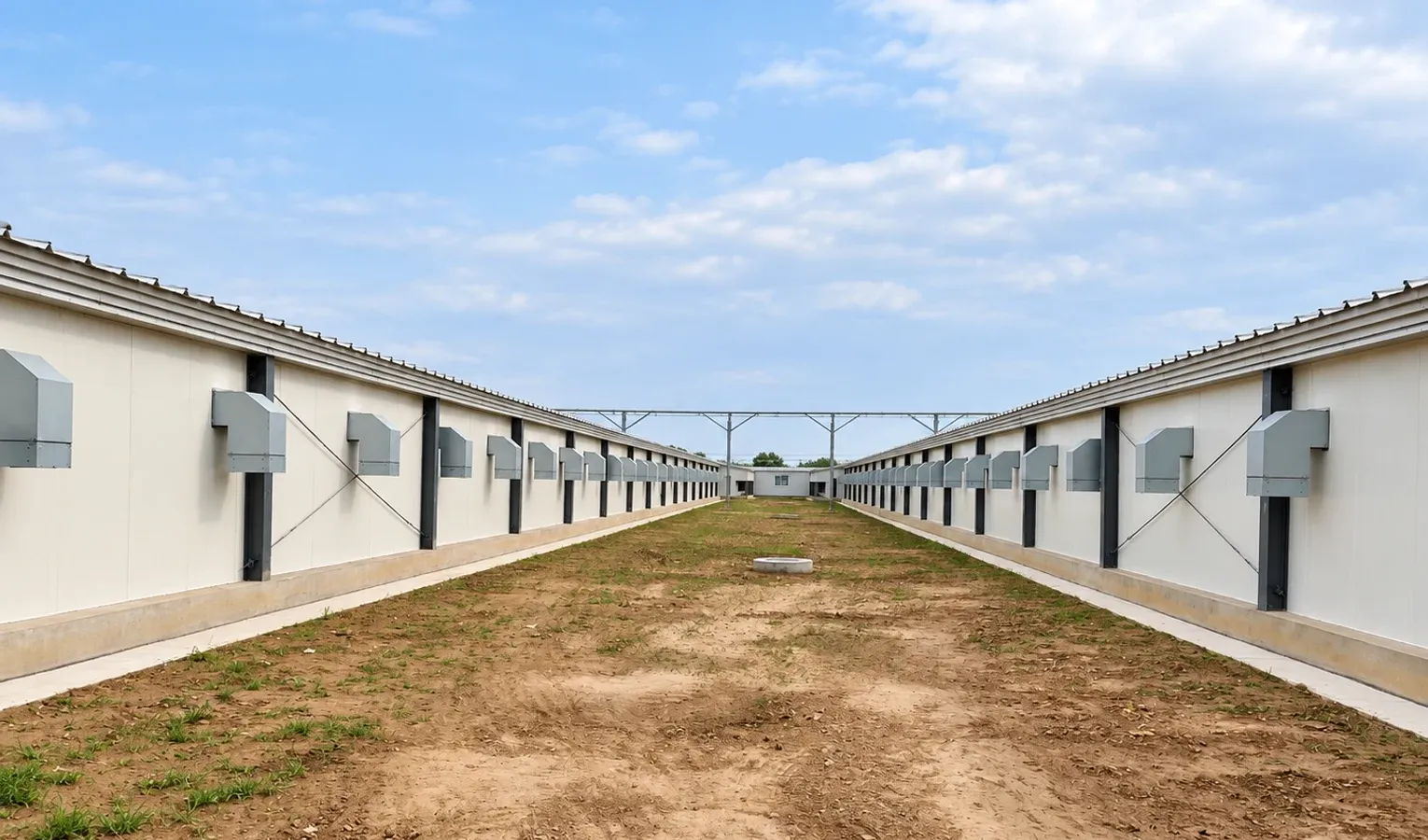
Birds are far calmer in low or blue-spectrum light, which reduces flapping, piling, and injury during the catch. Dimming the house is one of the simplest ways to lower catching stress.
- Dim the house or use blue lighting during catching to keep birds calm.
- Calmer birds mean fewer fractures, less bruising, and lower DOA.
- Avoid sudden bright light or noise that panics the flock into piling.
Mind the Catching Time of Day
When you catch interacts with the bird's thermoregulation and stress physiology. Catching in the deep night or early hours has been associated with higher DOA, likely tied to disrupted rest and body-temperature regulation.
- Catching after midnight has been linked to elevated DOA.
- Plan catch timing around thermal comfort — avoid the hottest part of the day in summer and account for cold at night in winter.
- Consistent, well-planned scheduling beats rushed, off-hours catching.
Crate Density and Loading
How birds are packed into crates or modules affects heat buildup and injury in transit. Overloading traps heat and crushes birds; underloading wastes capacity but is the safer error. Loading should be smooth and prompt to limit time in a stationary, poorly ventilated truck.
- Set crate density for the season — lower in heat to allow air movement and heat dissipation.
- Load promptly and get the vehicle moving; stationary loaded trucks build heat fast.
- Distribute the load so airflow reaches all crates, not just the outer ones.
Transport Duration Is a Hard Limit
The longer birds ride, the more DOA climbs. Transport time is one of the clearest predictors of arrival mortality, and journeys should be planned to be as short and smooth as conditions allow.
- DOA rises significantly once transport exceeds about 4 hours.
- Plan routes and schedules to minimize journey time and avoid delays.
- Every extra hour compounds thermal stress, dehydration, and weight loss.
Thermal Management in Transit
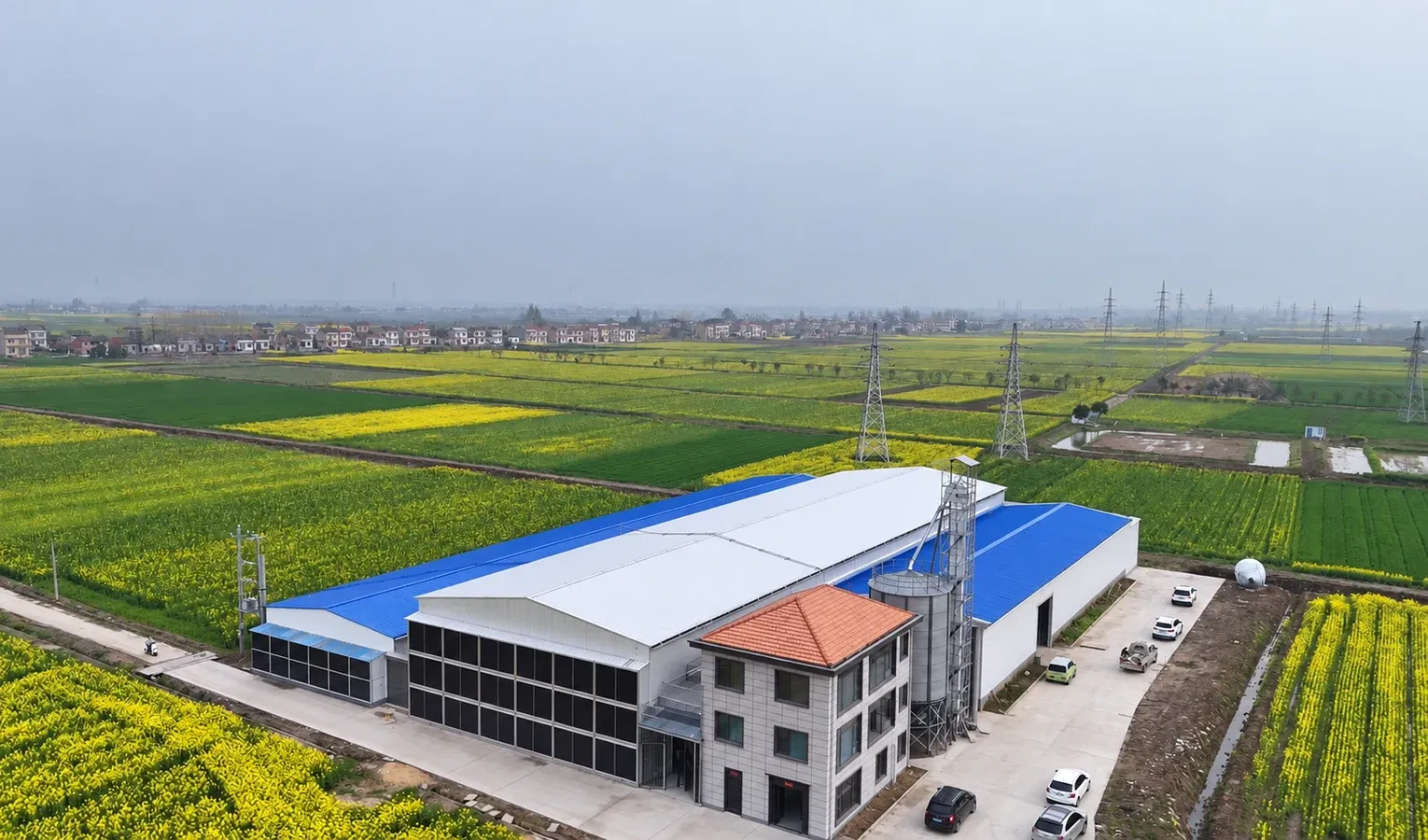
Birds in transit cannot escape heat or cold, and thermal stress is a leading cause of transport mortality. Ventilation and weather-appropriate protection of the load are essential.
- In hot weather, maximize airflow and keep the vehicle moving; avoid parking in the sun.
- In cold weather, protect birds from wind chill and rain without trapping moisture and heat.
- Monitor the load's temperature and adjust ventilation, curtains, or scheduling accordingly.
Lairage and Arrival Handling
The final wait before processing is another point where heat and delay drive losses. Holding conditions at the plant should continue the controlled care of the whole chain, not undo it.
- Keep lairage well ventilated and shaded, with fans or misting in heat.
- Minimize holding time — long waits after transport add to stress and mortality.
- Unload and process promptly to close out the withdrawal window on target.
Record and Review Every Load
DOA is only useful as a management tool if you track it against the conditions that produced it. Logging withdrawal time, catch time, weather, transport duration, and arrival mortality for every load turns a stray bad day into a pattern you can fix.
- Record feed-off time, catch time, crate density, transport duration, and DOA for each load.
- Cross-reference spikes against weather, route delays, and catching crew to find the real cause.
- Feed the findings back to catching and transport teams so the same mistake is not repeated.
Building a Low-DOA Routine
Consistently low DOA comes from treating the last twelve hours as a managed process with the same discipline as brooding. The operations near the bottom of the DOA range do the same things every time.
- Coordinate feed-off timing so total withdrawal lands around 8-12 hours including transport.
- Keep water until catching; catch gently in dim light at a sensible time of day.
- Set crate density for the weather, keep transport under about 4 hours, and manage thermal comfort start to finish.
The last hours of a flock's life on farm are where good work is protected or wasted. A deliberate withdrawal, gentle catching, and short, well-ventilated transport keep DOA near the low end of the range and preserve carcass quality. If you are reviewing your operation end to end, it is worth making sure the housing, catching setup, and logistics all support a calm, controlled finish — so the value you built over the whole grow-out actually arrives at the plant.
Visual checklist
Related reading
Broiler Stocking Density: Weight, Air and Floor Space
All-In-All-Out Poultry Management and Downtime
Further reading
Use the management guide for the actual breed, age and housing system when selecting flock targets. Review changes with the farm team and the relevant nutrition, health or equipment specialist.