At a glance. Compare broiler housing through production goals, usable space, climate control, daily work and between-flock preparation on the same project basis.
Broiler cages stack birds in tiers to raise far more meat per square meter than floor rearing, with cleaner birds and easier harvesting. Floor systems cost less upfront but need more land and labor.
Here we compare density, feed conversion, labor, and harvesting between cage and floor broiler systems so you can choose the right model for your land and market.
Define the production objective
Start with the broiler type, target sale weight, flock schedule and market requirements. Cage and floor systems organise the birds and routine work differently. The useful comparison is between two complete operating plans for the same objective. Counting the theoretical number of birds that fit into the building does not establish a safe or profitable working capacity.
Compare usable space and access
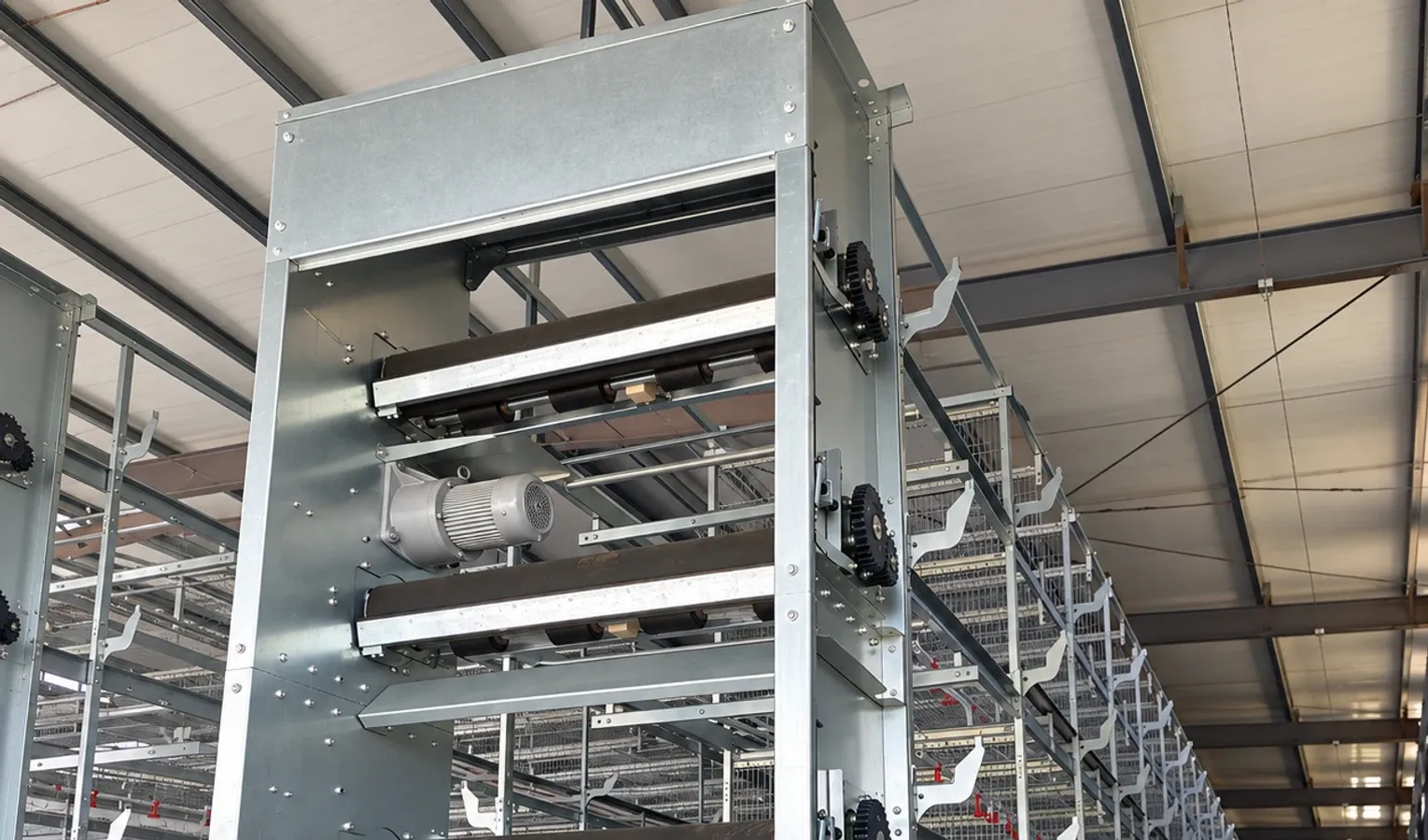
A floor layout needs planned areas for feeders, drinkers, inspection and catching. A cage layout requires tier access, manure handling and equipment clearances. Ask for drawings showing those functions instead of only the cage footprint. Consider how staff reach a bird that needs attention and how a whole flock is removed at the end of the cycle.
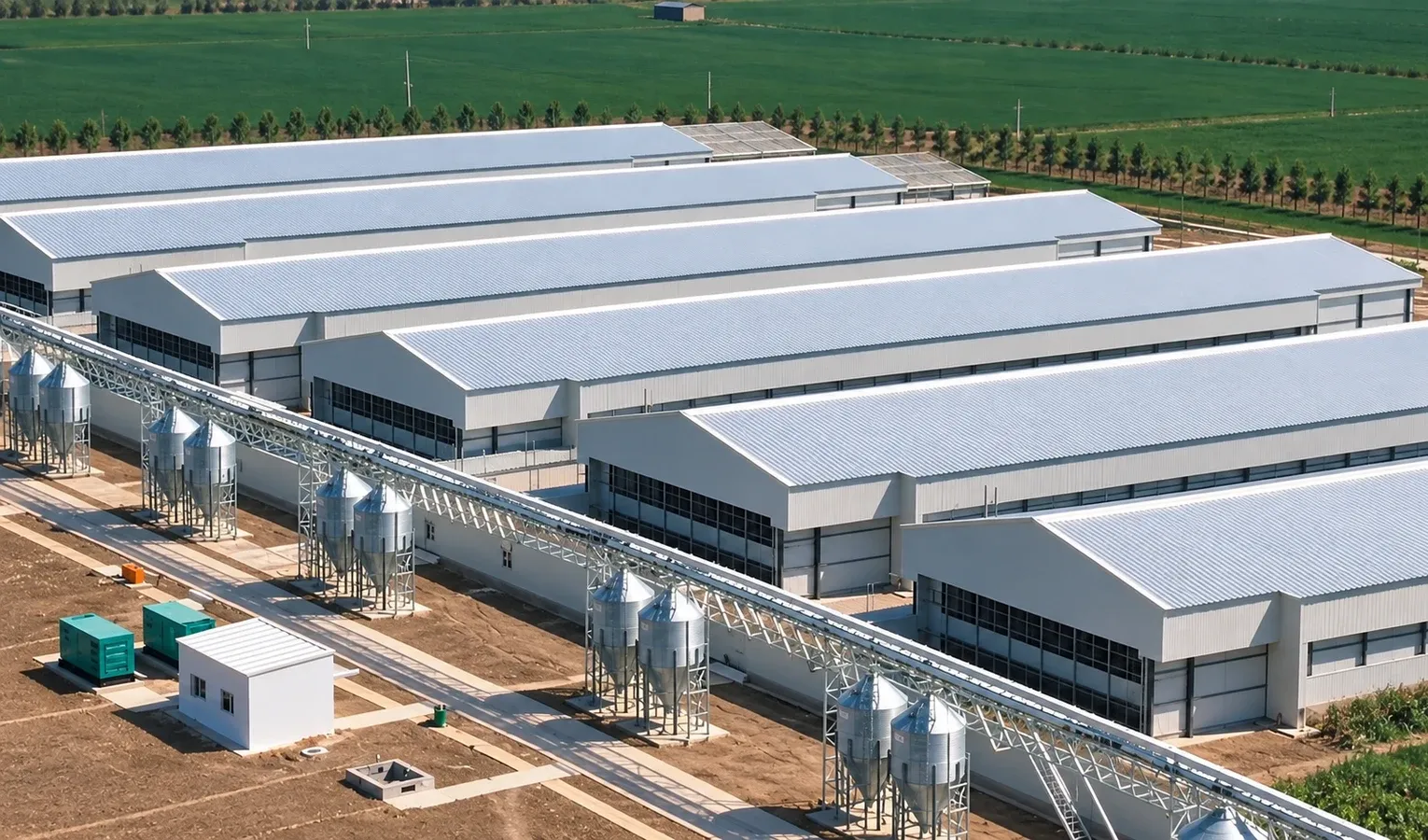
Include environmental requirements
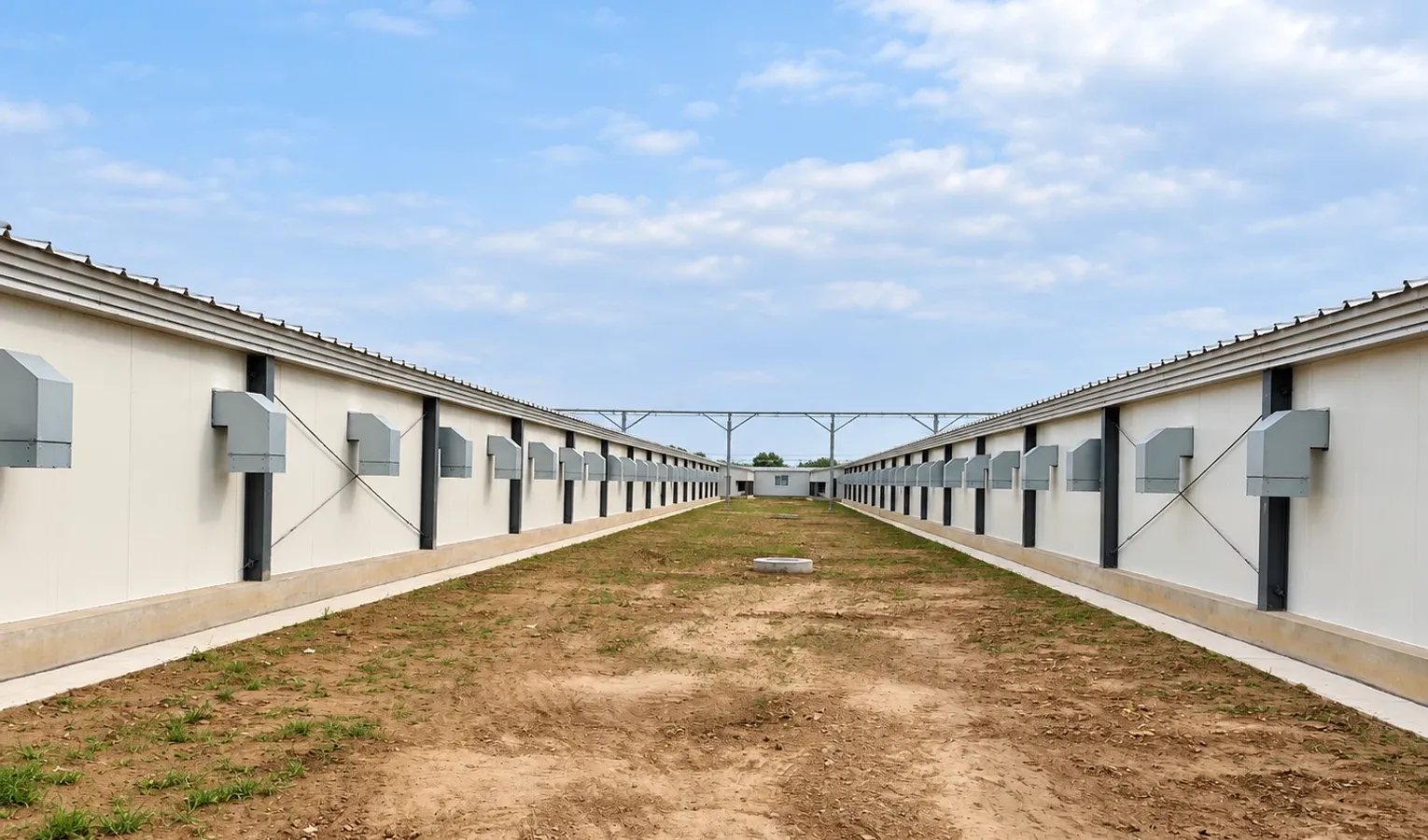
The building, ventilation and housing must be assessed together. Stacking birds changes how staff inspect the flock and how equipment is arranged, but it does not remove environmental limits. Give the supplier the proposed flock size and house information so that ventilation and utility requirements are evaluated for the actual configuration.
Build a fair cost comparison
Include housing equipment, building modifications, bedding where applicable, utilities, cleaning, maintenance and labour. State which items belong to the farm and which are supplied in the quotation. Use local prices and the farm's own operating assumptions. A lower equipment price or a higher drawn capacity does not by itself establish a better return.
Prepare for the next flock
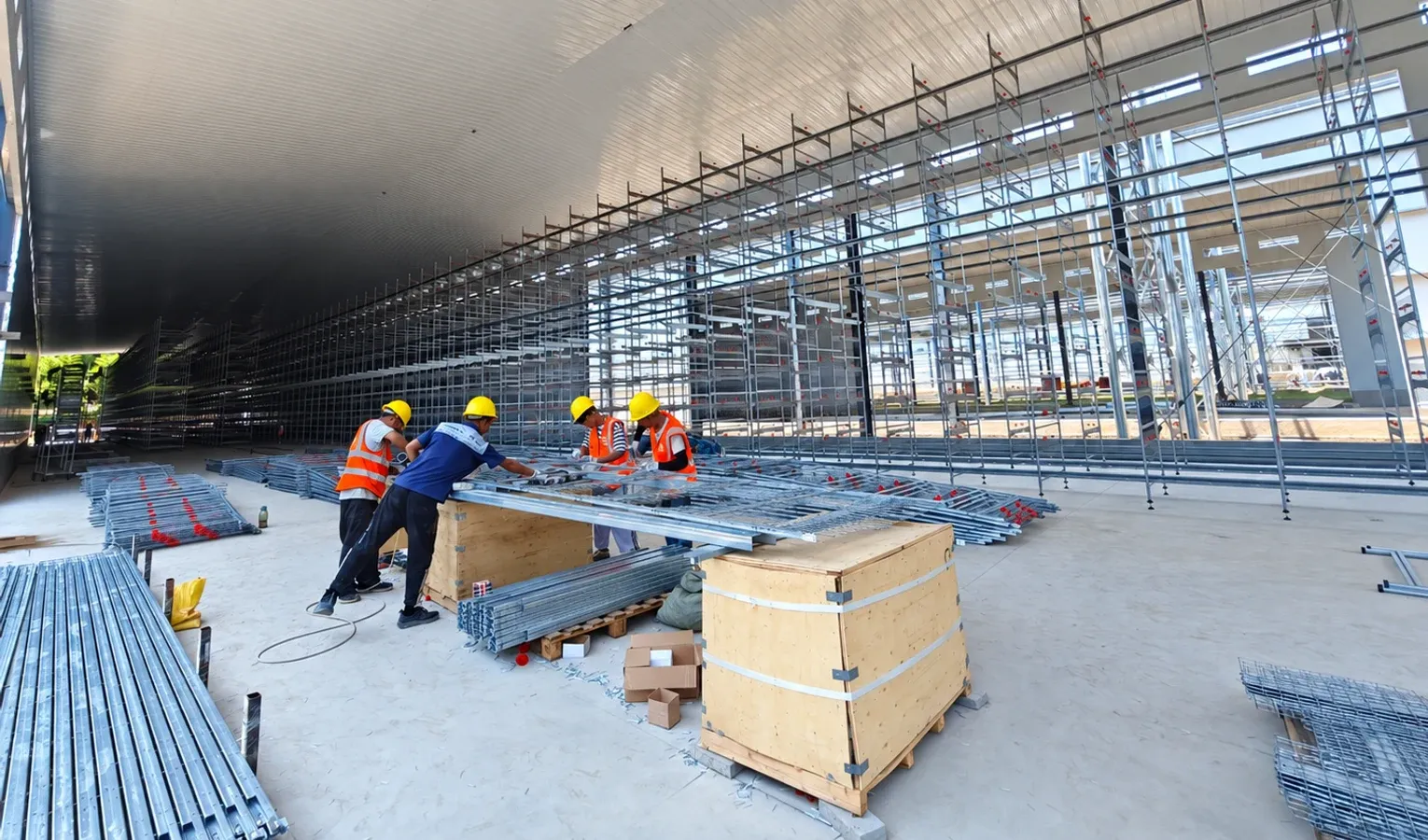
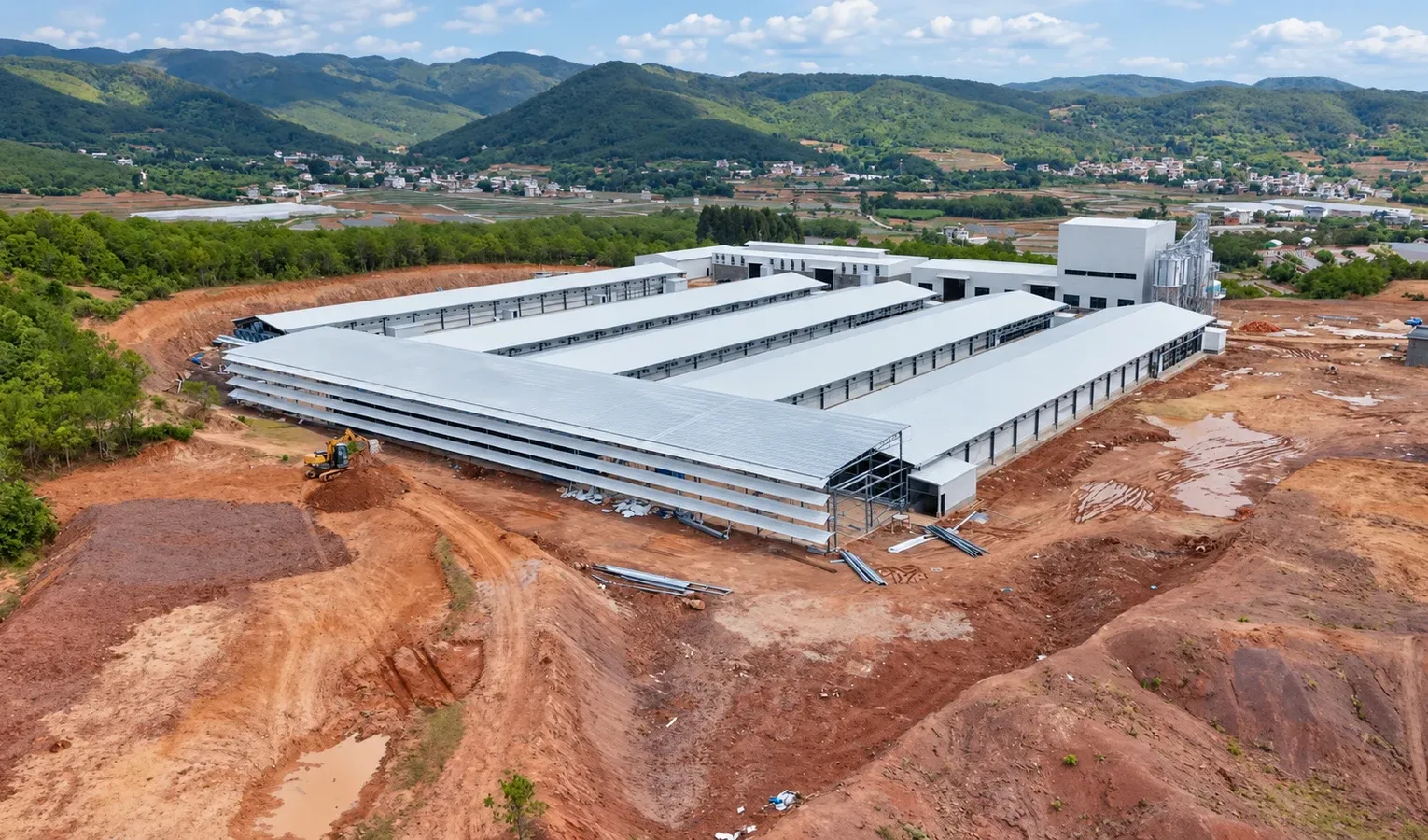
Ask how each system is emptied, cleaned, inspected and made ready again. Identify removable parts and access to concealed areas. Review the handover procedure with the people who will operate the equipment. Choose a system the farm can manage consistently through placement, production, removal and downtime rather than judging it only on a photograph of a completed house.
Visual checklist
Related reading
Broiler Stocking Density: Weight, Air and Floor Space
Starting a Broiler Farm: Business and Equipment Planning